
Economy January 26, 2026

State Bank Maintains Policy Rate at 10.50% Despite Market Expectations for Further Cuts

Governor announces pause after a surprise December reduction and sizeable easing since mid-2024

By Ajmal Hussain
State Bank Maintains Policy Rate at 10.50% Despite Market Expectations for Further Cuts

Pakistan’s central bank left its benchmark policy rate unchanged at 10.50% on Monday, the governor said, bucking market forecasts for another interest-rate cut after a surprise 50 basis-point reduction in December. The move follows cumulative easing of 1,150 basis points since mid-2024 and comes amid slowing headline inflation and ongoing IMF advice to avoid premature easing under a $7 billion loan programme.

Key Points

  • Central bank held the policy rate steady at 10.50% on Monday, despite market expectations of a 50 basis-point cut.
  • Monetary easing since mid-2024 totals 1,150 basis points, following a peak policy rate of 22% in 2023; December saw a surprise 50 basis-point reduction that ended a four-meeting pause.
  • Headline consumer inflation eased to 5.6% year-on-year in December, with monthly price declines driven by lower perishable food costs; non-food inflation remains elevated in urban and rural areas - impacting banking, financial markets and consumer goods sectors.

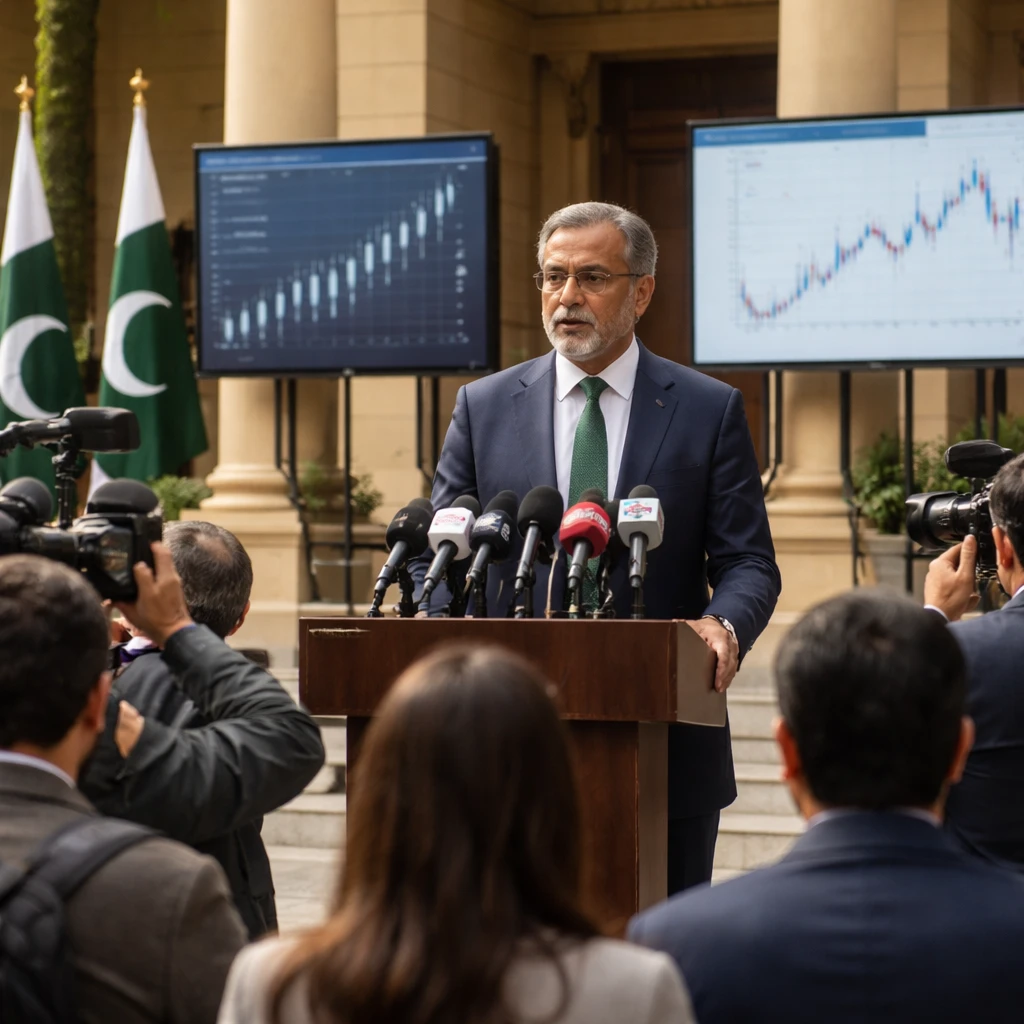
Pakistan’s central bank opted to keep its key policy rate at 10.50% on Monday, the central bank governor said at a press briefing, rejecting market expectations for an additional rate cut following a surprise easing move in December.

The governor announced the decision after a meeting that follows a 50 basis-point reduction in December which had ended a four-meeting pause. That December cut was one step in a broader cycle of monetary easing that has totaled 1,150 basis points of reductions since mid-2024. By contrast, interest rates had reached a record peak of 22% in 2023.

Market participants had widely expected the central bank to reduce the policy rate by another 50 basis points at this meeting. A pre-meeting poll cited easing inflation, stronger foreign exchange reserves and a stabilising rupee as reasons for anticipating further policy accommodation. The governor’s announcement ran counter to those expectations.

Official data show Pakistan’s consumer price inflation slowed to 5.6% year-on-year in December. Prices on a month-on-month basis fell, a development attributed to lower costs for perishable food items. Despite the decline in headline inflation, non-food inflation remained elevated across both urban and rural areas, indicating uneven price dynamics within the economy.

An International Monetary Fund staff report cautioned against premature monetary easing as Pakistan implements a $7 billion loan programme. The IMF advised policymakers to remain data-dependent in order to anchor inflation expectations and to focus on rebuilding external buffers. That guidance was explicitly referenced as a restraint on hasty loosening of monetary policy.

The central bank’s decision to hold the policy rate keeps borrowing costs at the current level and signals a more cautious stance than the market had priced in. Observers will likely monitor forthcoming data on inflation, foreign exchange reserves and currency stability to assess whether the central bank resumes easing or maintains its current stance.


Context note: The governor made the policy announcement publicly at a press conference and the decision follows the December reduction that ended a prior pause in rate adjustments.

Risks

  • Premature monetary easing - the IMF warned against loosening too early under Pakistan’s $7 billion loan programme, a risk to inflation expectations and external buffers that could affect financial stability and the currency market.
  • Elevated non-food inflation - despite falling headline inflation, persistent non-food price pressures in urban and rural areas pose a risk to real incomes and could influence household spending and consumer-facing sectors.
  • Market reaction to unexpected policy stance - the decision to hold rates contrary to widely anticipated cuts could increase volatility in bond markets, banking sector lending conditions, and the foreign exchange market.

More from Economy

House Prepares Vote to End Brief Partial Shutdown, Final Ballot Expected Tuesday Feb 2, 2026 France’s 2026 Budget Clears Parliament After Concessions, Targets 5% Deficit Feb 2, 2026 Cboe Holds Early Talks to Bring Binary Options Back to Retail Traders Feb 2, 2026 Administration to Build $12 Billion Critical Minerals Reserve to Shield U.S. Manufacturing Feb 2, 2026 Investors Pile Into Gold and Miner ETFs in January as Safety Demand Rises Feb 2, 2026