
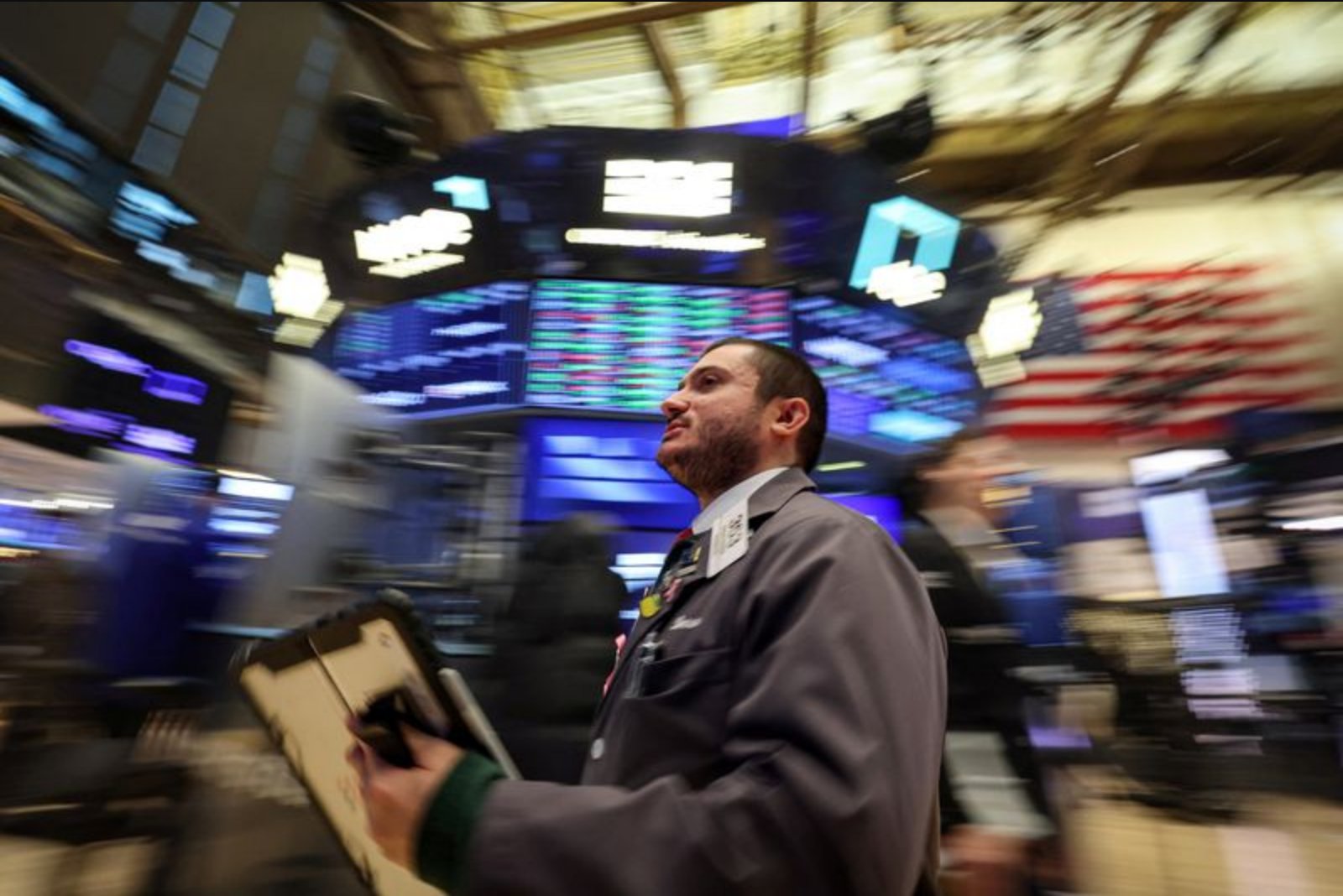
The S&P 500 crossed the 7,000-point threshold for the first time on Wednesday, reflecting sustained investor optimism about artificial intelligence and hopes for outsized earnings from major technology companies. Technology names such as Nvidia, Microsoft and Alphabet have been among the primary contributors to the advance.
Despite the milestone, the index was last recorded up 0.3% at 6,999.71 points, placing it on track for a sixth straight day of gains - the longest winning streak since October. The speed with which the S&P 500 has added successive 1,000-point increments has accelerated in recent years, signaling rising investor confidence in the U.S. economy and corporate America. It took roughly three years for the benchmark to move from 4,000 to 5,000 points, but only about nine months to go from 5,000 to 6,000, which it reached in November 2024.
AI-related optimism has been a dominant market theme, lifting shares of the largest technology companies. Technology stocks now represent nearly 50% of the S&P 500, concentrating the index's gains within a relatively narrow set of sectors.
Expectations for easier monetary policy have also supported risk appetite. Traders are pricing in two reductions of 25 basis points each in 2026, following three interest rate cuts by the Federal Reserve last year. The Fed, however, is widely expected to keep rates unchanged at its meeting later in the day.
Markets have recovered to record highs after earlier selloffs this month tied to concerns over U.S.-NATO friction related to Greenland, tariff uncertainty and questions about the central bank's independence. Analysts compiling data for LSEG project that S&P 500 company profits will rise 15.5% in 2026, an increase from a projected 13.2% growth rate for 2025.
Within that outlook, technology earnings - bolstered by the AI boom - are expected to be a primary engine of fourth-quarter corporate growth in the U.S. LSEG data indicate tech sector profits could climb about 27% for the quarter, versus an estimated 9.2% rise overall for S&P 500 companies. Revenue growth in the tech sector for the quarter was estimated at about 18%, compared with a 7.3% revenue increase expected for the broader index.
The S&P 500 has rebounded almost 45% from its lows in April 2025, a period when uncertainty around tariffs imposed by U.S. President Donald Trump unsettled global markets. That rebound underscores the extent to which market sentiment has shifted in favor of technology-led growth and prospective monetary easing.
Note: This report reflects market moves, analyst projections and data as previously reported; it does not introduce new figures beyond those cited.