
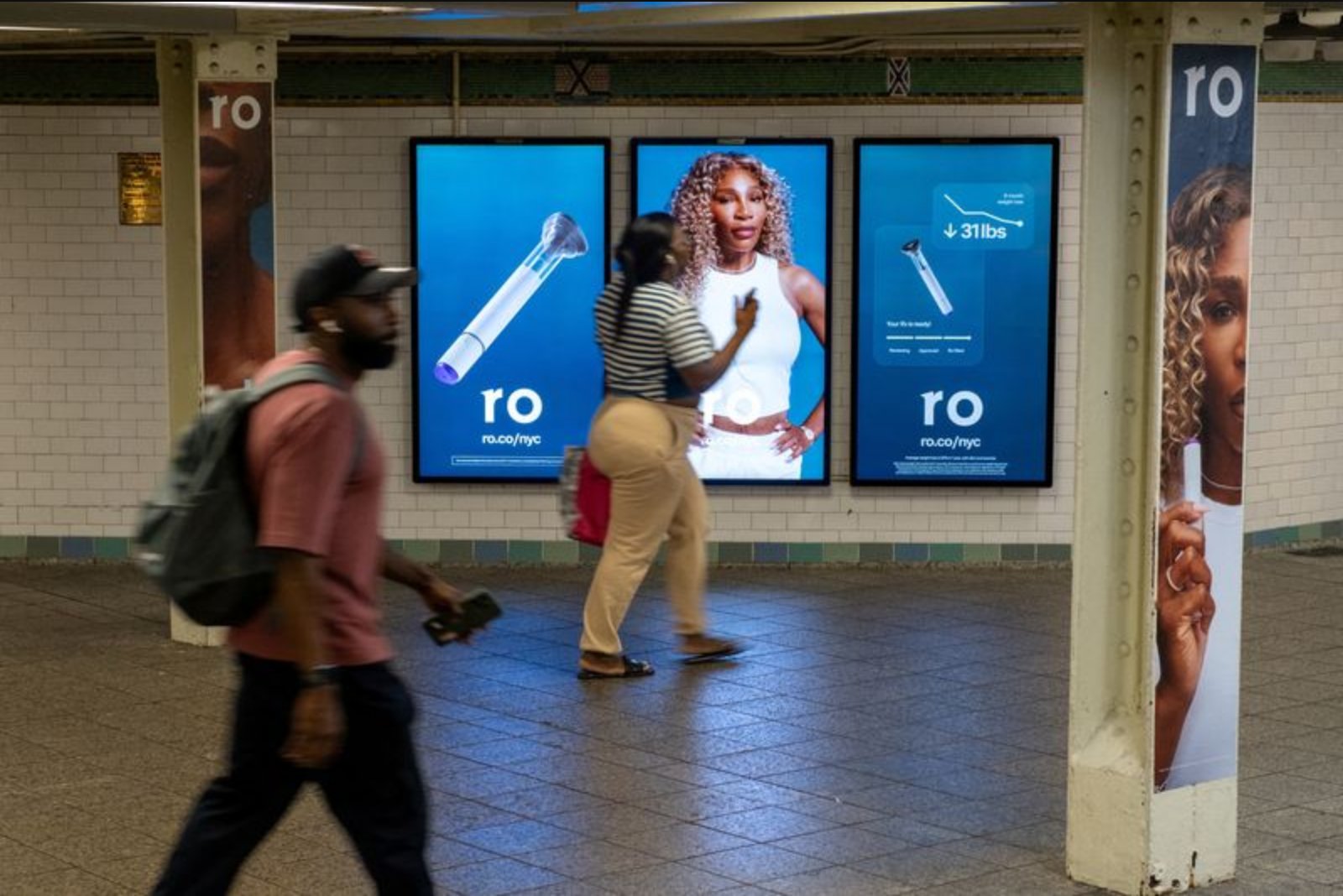
Ro, a New York-based telehealth company, has experienced an influx of new patients pursuing the recently released pill version of Wegovy, according to CEO Zach Reitano. The company said the new demand includes men who previously steered clear of the injection form of the medication.
Reitano pointed to two clear drivers behind the uptick - the ease of taking a pill rather than receiving an injection, and an introductory monthly price that begins at $149. For patients who pay the platform's monthly membership fee, the company said the cost ranges from $149 for the lowest dose up to $299 for the highest dose. The $149 introductory price is available through mid-April, and Ro noted that Novo Nordisk is offering the same pricing on its website. Ro added that patients with insurance coverage may face lower out-of-pocket costs.
Ro has expanded its offerings to include GLP-1 drugs through partnerships; the company sells Eli Lilly's Zepbound and Novo Nordisk's Wegovy. Wegovy, like Ozempic - which was developed to treat type 2 diabetes - contains the active ingredient semaglutide. The medication acts like a gut hormone that suppresses appetite and extends feelings of fullness.
Launched on January 5, Wegovy is currently the only GLP-1 pill on the market approved for weight loss. Ro said the U.S. Food and Drug Administration is reviewing Eli Lilly's competing pill formulation and that an approval decision is expected in April.
Ro and other direct-to-consumer telehealth firms have seen rapid growth as demand for GLP-1 drugs has surged. The company cited supply shortages, elevated prices and insurance-related barriers as factors that have driven patients to seek treatment through telehealth platforms.
In addition to responding to rising demand, Ro said it is preparing a major advertising push around the Super Bowl. The company plans to air a commercial that will feature tennis star Serena Williams and to roll out a wider "Healthier on Ro" campaign. That campaign is intended to emphasize benefits beyond weight loss - including relief from joint pain - and to broaden public understanding of treatment outcomes.
Williams has used media interviews to push back against what she described as stigma attached to GLP-1 therapies, particularly the portrayal that patients using these drugs are lazy. A company spokesperson commented on the Super Bowl effort, saying: "We hope that these ads continue to fight against the stigma associated with GLP-1s and educate people about their options."
Advertising around the Super Bowl represents a significant investment; the annual NFL championship attracts a very large television audience in the United States. Industry ratings indicate that viewership exceeds 100 million people each year, and reports have placed the cost of a 30-second commercial during the broadcast at roughly $8 million.