
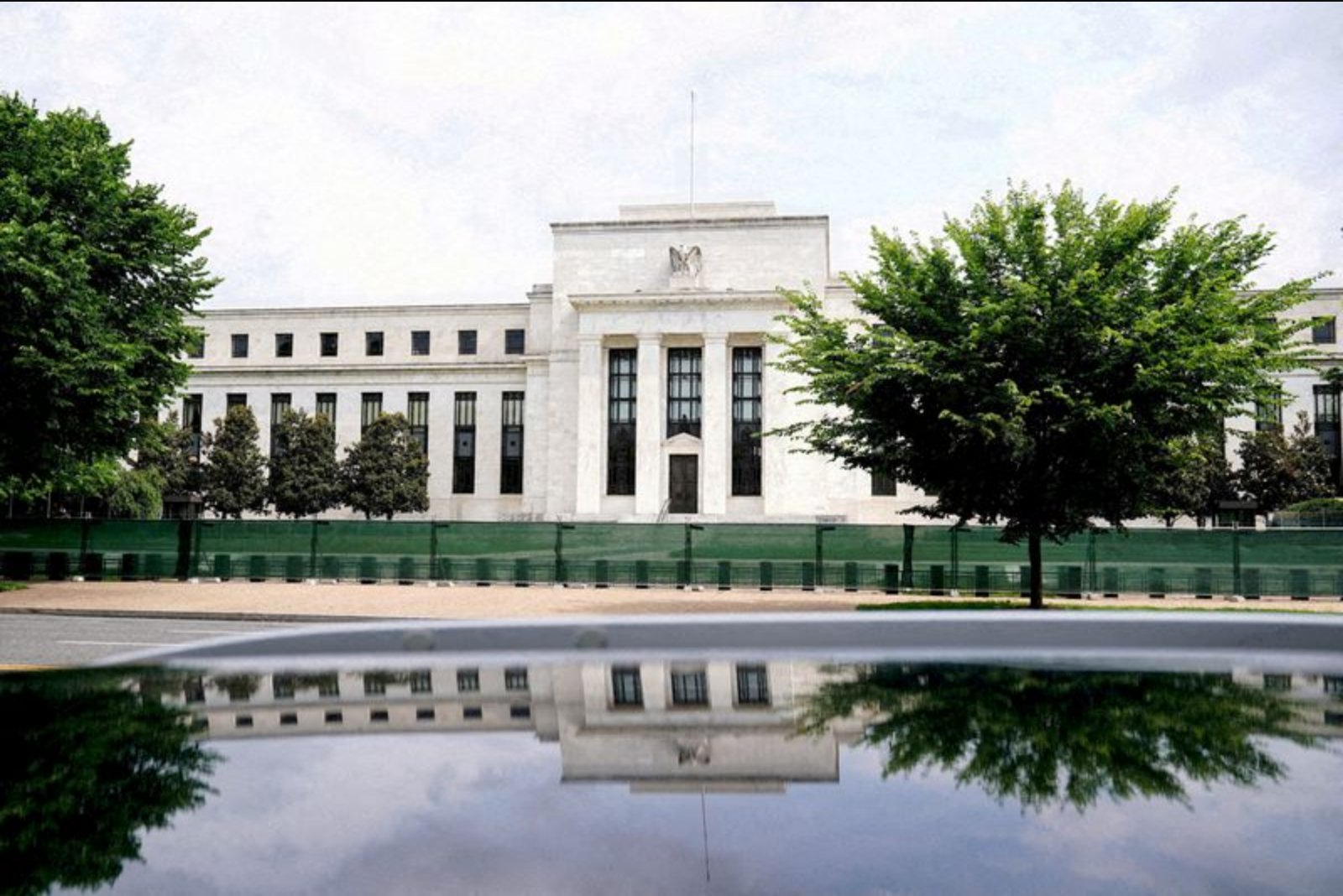
Still-elevated inflation and a labor market that has softened but not collapsed are the primary reasons the Federal Reserve is widely expected to finish its two-day meeting Wednesday with a decision to hold the U.S. policy rate. On the margin, however, signs of easier credit conditions - driven by increased loan demand - may further discourage policymakers from moving quickly to cut rates.
Evidence for a pickup in borrowing comes from both survey data and the latest round of bank earnings reports. Those sources indicate businesses and consumers are seeking more loans, suggesting that current borrowing costs are not a binding constraint on investment or spending for many firms and households. Market participants and analysts generally expect that pattern to persist.
"Looking ahead, we expect banks will become more willing to lend as economic growth picks up on the back of fiscal stimulus, uncertainty diminishes and businesses and consumers maintain strong balance sheets," said Nationwide economist Oren Klachkin, adding that "aggressive deregulation pushed by the Trump administration should also lead banks to extend more credit than otherwise."
Policymakers had access this week to the findings from the January Senior Loan Officer Opinion Survey, though the Fed's broader survey on banking conditions will not be published until next week. The November edition of the loan officer survey showed loan demand rising - notably from businesses and for mortgages - even as banks reported tighter credit terms.
Complementing that nationwide snapshot, a more recent Dallas Fed survey found lending and loan demand at Texas banks continued to rise in December, a pattern that often mirrors broader national trends. The Dallas Fed respondents were generally upbeat, forecasting higher loan demand and greater business activity in the first half of the year, while also expecting a slight deterioration in loan performance.
Big-bank earnings back up the survey evidence. Wall Street's largest lenders reported rising profits alongside increased borrowing among both consumers and businesses. Average loans rose 9% last quarter at JPMorgan Chase and 8% at Bank of America, the top two U.S. banks by assets.
Despite those increases in lending, executives at major banks have warned that a proposed 10% cap on credit card interest rates by President Donald Trump could prompt a pullback in credit availability. Even so, current reporting shows credit flows increasing on multiple fronts.
Analysts note that broader financial conditions have loosened. "Broader financial conditions are loose and getting gradually looser, which will support economic growth this year," said Oxford Economics analyst Michael Pearce. Financial markets are pricing in two quarter-point interest-rate cuts in the second half of the year.
Ultimately, Fed officials will judge policy by their twin objectives of price stability and a healthy labor market, and those metrics will take precedence as they deliberate in the months ahead. "The Fed is uncertain about the directionality of both parts of its dual mandate so bank lending takes a back seat to other indicators that more directly assess near-term inflation and joblessness," said Natixis' economist Christopher Hodge. "Growth is strong, the unemployment rate is fine, and inflation is high. Why cut?"
Contextual note - While easier credit conditions add a supporting argument for holding rates, Fed officials will continue to prioritize direct measures of inflation and labor-market strength when choosing the timing and scope of any future policy changes.