
Economy February 5, 2026

RBI Keeps Repo Rate at 5.25% as U.S.-India Trade Deal Eases Tariff Pressure

Monetary stance held at 'neutral' amid strong growth and low inflation, with tariff cuts seen as supportive for economy and markets

By Caleb Monroe
RBI Keeps Repo Rate at 5.25% as U.S.-India Trade Deal Eases Tariff Pressure

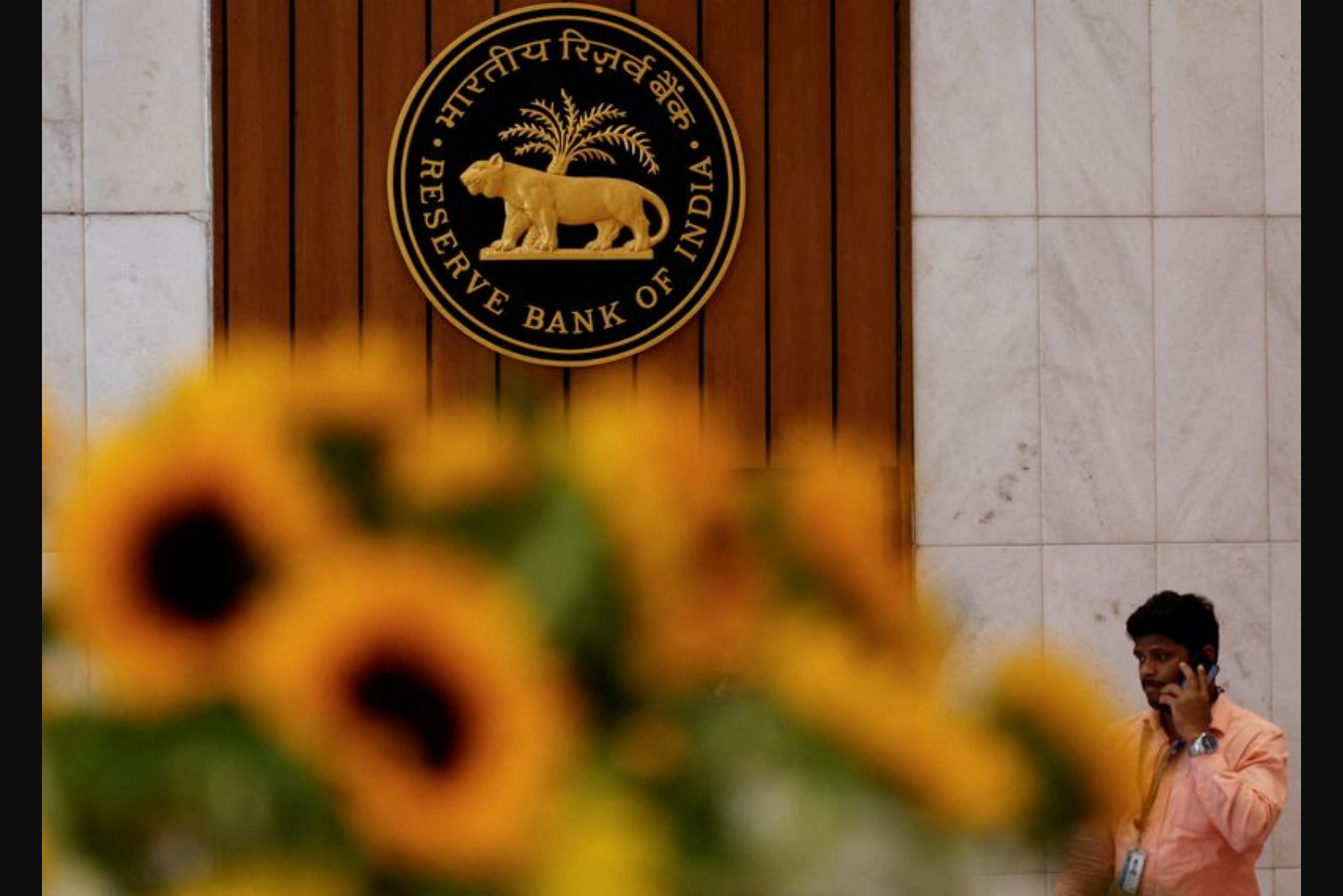
The Reserve Bank of India held its policy repo rate at 5.25% following a unanimous decision by its six-member monetary policy committee, retaining a neutral stance. A recent trade agreement with the United States, which cuts U.S. tariffs on Indian imports from nearly 50% to 18%, has reduced a key source of pressure on India’s economy and markets. The central bank highlighted intensified external headwinds but described inflation as benign as it continues to unwind past policy tightening.

Key Points

  • RBI's six-member monetary policy committee voted unanimously to keep the repo rate at 5.25% and retained a "neutral" stance, implying rates will remain relatively low for some time.
  • A U.S.-India trade agreement reduces U.S. tariffs on Indian imports from nearly 50% to 18%, a move the RBI said eases a significant pressure point for India’s economy and markets.
  • India's economy is forecast to grow 7.4% in the current financial year, supported by strong domestic demand, public infrastructure spending and a resilient services sector; inflation is expected to average close to 2% this year, below the 4% target.

The Reserve Bank of India left its key policy rate unchanged at 5.25% on Friday, the central bank said after a unanimous vote by its six-member monetary policy committee. The decision matched expectations from market observers and the consensus view in a Reuters poll.

Policy was described as remaining on a "neutral" footing, language that signals an ongoing period of relatively accommodative interest-rate settings. The central bank has moved to ease policy since February 2025, cutting rates by a cumulative 125 basis points. Its most recent adjustment prior to this meeting was a 25-basis-point reduction at the December policy meeting.

In its policy statement Reserve Bank of India Governor Sanjay Malhotra said external headwinds have intensified, but that a recently announced trade pact with the United States provides a positive development for the economy and for markets. The deal includes a reduction in U.S. tariffs on Indian imports from nearly 50% to 18%, removing a significant tariff-related pressure point cited by policymakers.

Governor Malhotra also described inflationary pressures as benign. Official projections in the policy communication indicate inflation in the current financial year is expected to average close to 2%, well under the RBI's 4% target. Retail inflation in December was recorded at 1.33%, which the central bank noted was the highest reading in three months.

The statement reiterated that India remains one of the fastest-growing major economies, driven by robust domestic demand, active public infrastructure spending and a services sector that has shown resilience. The economy is projected to expand by 7.4% in the current financial year, while the government’s economic adviser has set a forecast range of 6.8% to 7.2% for the following year.

The U.S.-India trade agreement was described in the policy note as involving reciprocal measures: the United States agreed to lower tariffs on Indian imports, and India agreed to stop purchasing Russian oil and to reduce certain trade barriers. Policymakers framed the package as easing a previously significant source of economic friction.

The combination of sustained growth, subdued inflation readings and the easing of tariff pressures underpinned the RBI's decision to keep policy rates steady and maintain a neutral stance, indicating that officials expect to keep borrowing costs relatively low for some time while monitoring external developments.

Risks

  • External headwinds have intensified, a development the RBI explicitly noted - this could affect markets and sectors sensitive to global conditions.
  • The tariff reductions are conditional on India halting Russian oil purchases and lowering trade barriers, conditions that could create political or implementation challenges affecting trade-exposed industries and markets.
  • Trade tensions had previously been a drag on the economy, indicating that lingering or renewed trade frictions could still weigh on growth and market sentiment.

More from Economy

Iran Conditions Hormuz Reopening on Compensation, Signals Wider Disruption Risk Apr 5, 2026 Why Japan Equities Deserve a Place in Long-Term Portfolios Apr 5, 2026 Europe’s Quantum Moment: From Lab Leadership to Industrial Scale? Apr 5, 2026 AI-Driven Memory Demand Forces Strategic Shift at Samsung and SK Hynix Apr 5, 2026 Markets Pin Eyes on Inflation as Middle East Conflict Keeps Investors on Edge Apr 5, 2026