
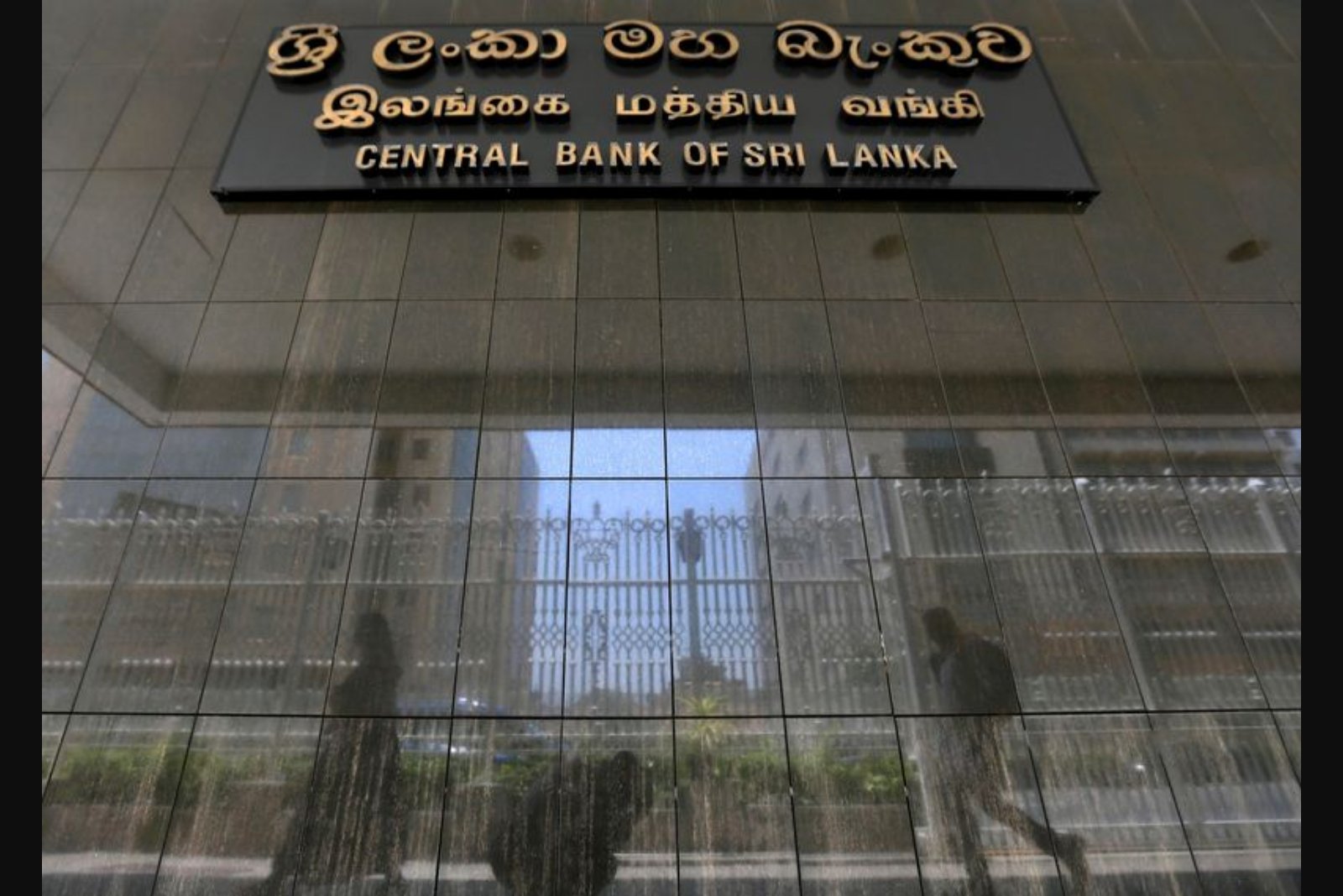
A survey of 12 economists indicated Sri Lanka's central bank is expected to keep its key policy rate at 7.75% at its upcoming meeting on Wednesday, with participants unanimously anticipating no adjustment to the benchmark overnight rate as an International Monetary Fund delegation conducts its review of the sixth tranche of a $2.9 billion support package.
Economists who took part in the poll pointed to stable inflation, continued healthy credit growth and persistent economic expansion as the main reasons for holding rates steady. The Central Bank of Sri Lanka has not altered policy since last May, maintaining the rate as the country works through the aftermath of its 2022 financial crisis, which was driven by a severe dollar shortage.
The recovery, however, has faced a significant setback following Cyclone Ditwah in late November. The storm killed 649 people and impacted nearly 10% of Sri Lanka's 22 million population. The World Bank has estimated the damage to homes, roads and other vital infrastructure at $4.1 billion.
"There seems to be stimulus potential from cyclone rebuilding. We have had seven quarters of good growth so the consistency has been fantastic. There is scope for growth to bounce back," said Raynal Wickremeratne, co-head of research at Softlogic Stockbrokers.
The IMF reduced its growth forecast for Sri Lanka in 2026 last month, cutting it from 3.1% to 2.9%, and warned that inflation would rise to 5.4%, a touch above the central bank's own projection of 5%. Headline inflation stood at 2.1% at the end of 2025. The global lender also approved $206 million in emergency funding to assist immediate recovery work.
The visiting IMF team is scheduled to conclude its fact-finding mission on Wednesday. The Central Bank of Sri Lanka expects overall economic growth of 4%-5% for the year, with part of that outlook supported by elevated public spending to finance reconstruction after the cyclone. In line with that approach, Colombo approved an extra 500 billion Sri Lankan rupees in spending last month to help people affected by the disaster. The exchange rate used in reporting is $1 = 309.4000 Sri Lankan rupees.
Policymakers face the task of balancing monetary restraint with the need to support recovery-related fiscal outlays, while keeping an eye on inflation trends and credit conditions. The unanimous nature of the economists' forecast suggests market participants are not expecting an imminent policy shift at the central bank meeting.