
Economy April 13, 2026 03:26 AM

Polish PM Says Hungarian Vote Undercuts Drift Toward Authoritarianism

Donald Tusk praises electoral change in Budapest, signals closer Warsaw-Budapest ties after Tisza party ends Viktor Orban’s 16-year rule

By Caleb Monroe
Polish PM Says Hungarian Vote Undercuts Drift Toward Authoritarianism

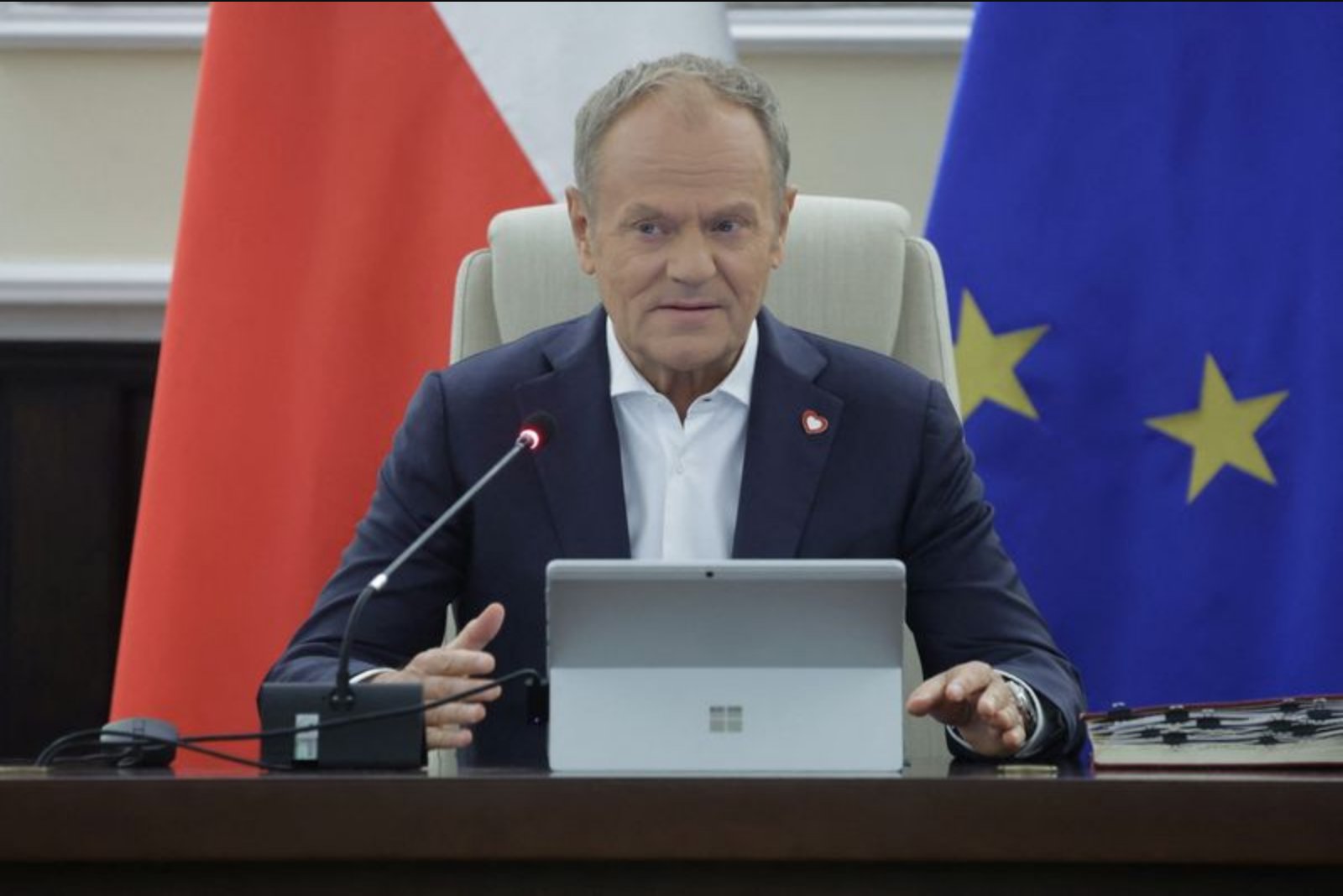
Poland’s prime minister hailed Hungary’s recent election as proof that Europe is not bound to a path of rising authoritarianism, congratulating the new Tisza leadership and pointing to a pattern of pro-European outcomes in the region. Speaking from South Korea, he emphasized historical, trade and security links between Poland and Hungary and described prospects for an unusually close bilateral relationship.

Key Points

  • Poland’s prime minister framed Hungary’s election as evidence Europe is not inevitably sliding toward authoritarian, corrupt governance - impacts political risk perceptions across EU member states and regional markets.
  • Tusk highlighted a string of pro-European results in the region, including Romania’s 2025 presidential outcome and Moldova’s pro-European ruling party victory - relevant for diplomatic and trade relations in Central and Eastern Europe.
  • Tusk spoke with Tisza leader Peter Magyar and noted plans for an early visit to Warsaw, signaling the potential for strengthened bilateral cooperation - pertinent to trade and political ties between Poland and Hungary and, by extension, EU and NATO collaboration.

WARSAW, April 13 - Poland’s prime minister said on Monday that the outcome of Hungary’s election undercuts fears Europe was moving inevitably toward authoritarian rule, following the end of Viktor Orban’s 16-year tenure as power shifted to the centre-right Tisza party.

Speaking during an official visit to South Korea and quoted by the Polish state-owned news agency PAP, Donald Tusk said the result in Budapest aligns with other pro-European shifts in the region. "Everyone feared there was a trend toward authoritarian, corrupt regimes," he said. "That’s not the case. First Warsaw, then Bucharest, Chisinau, now Budapest."

Tusk pointed to electoral outcomes in 2025 as part of the pattern he cited: the election of centrist Nicusor Dan as president in Romania and a strong victory by Moldova’s pro-European ruling party over its Russia-aligned rival. He has been an outspoken critic of Orban’s administration for its ties with Moscow, a line he reiterated in his remarks.

On the subject of Hungary, Tusk said: "I’m glad that this part of Europe is showing that we are not doomed to corrupt and authoritarian governments, because that’s what Victor Orban’s government unfortunately became after many years in power."

Poland and Hungary share a long history and close economic connections, and both are members of the European Union and NATO. Tusk stressed those links while discussing how the change in Budapest could affect bilateral ties.

He said he had called Peter Magyar, the Tisza party leader, to congratulate him on the election result. "We briefly discussed his visit to Warsaw," Tusk said. "As you know, he long ago chose Warsaw as his first visit for quite obvious reasons. I think our relationship will be absolutely exceptional."


Context and implications

The comments reflect a narrative from Warsaw that regional elections in recent years point toward a resurgence of pro-European governments in several neighboring countries. Tusk emphasized diplomatic outreach and bilateral cooperation as immediate follow-ups to the vote, without offering specific policy commitments from the incoming Hungarian leadership.

Details on the new government’s program or on concrete steps to deepen trade or security cooperation were not provided in the remarks cited by PAP.

Risks

  • The article provides limited information on the new Hungarian government’s policy agenda, leaving uncertainty about future trade, regulatory, or defense decisions that could affect cross-border commerce and markets.
  • While Tusk anticipates an "absolutely exceptional" relationship, the article does not detail concrete steps or timelines, creating ambiguity on the speed and scope of any strengthened cooperation between Poland and Hungary.

More from Economy

Traders Price Sustained ECB Tightening as Energy Shock Persists Apr 13, 2026 China Seen Rebounding in Q1 but Middle East Conflict Clouds 2026 Growth Outlook Apr 13, 2026 Markets Slip as U.S. Announces Hormuz Blockade; Goldman Sachs and LVMH Reports Loom Apr 13, 2026 BOJ Governor Urges Vigilance as Middle East Tensions Push Oil Prices Higher Apr 13, 2026 China’s export momentum likely eased in March as Iran conflict curbs AI-driven surge Apr 13, 2026