
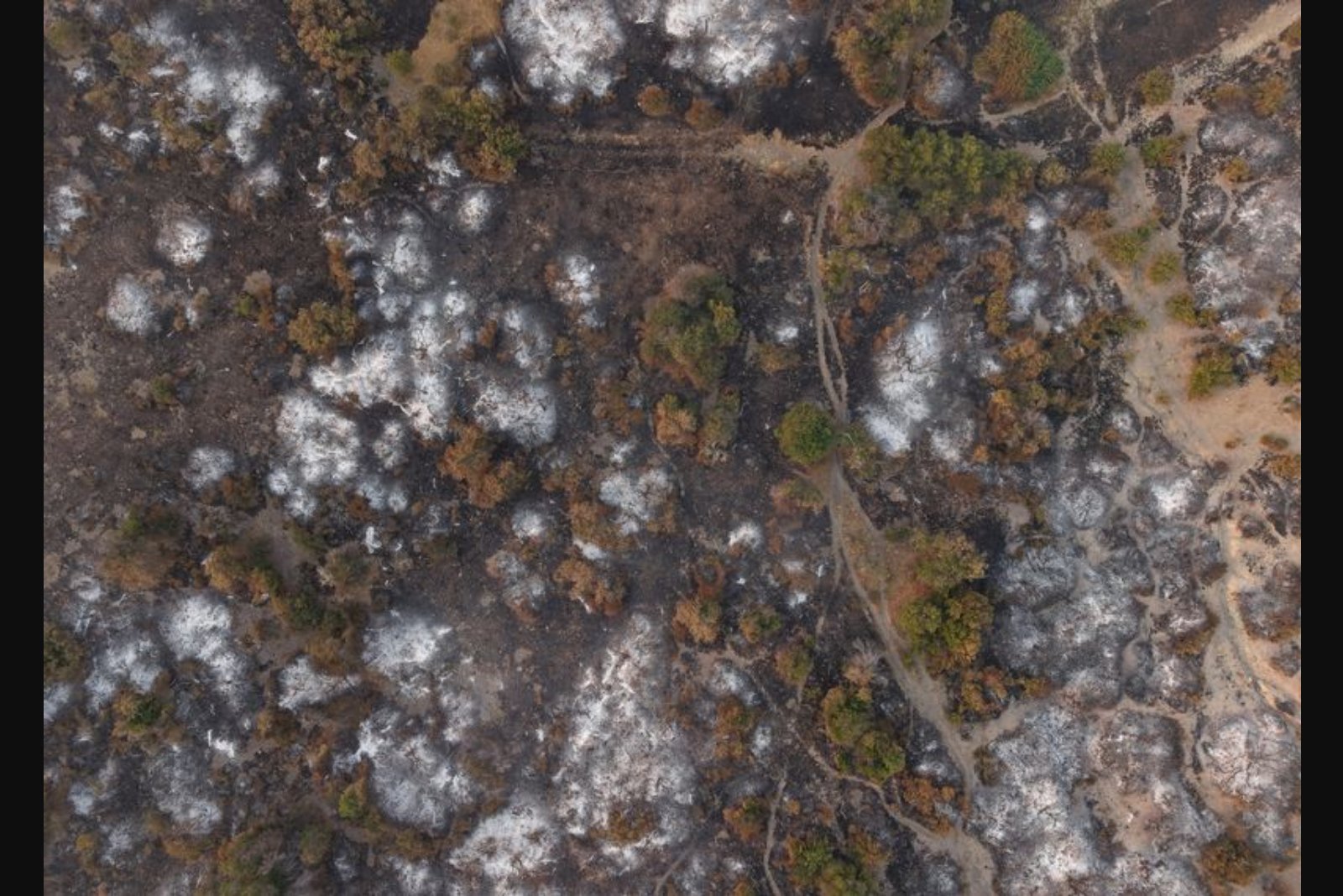
Patagonia is facing a severe wildfire season that has burned an area exceeding twice the size of Buenos Aires and reached protected forest inside Los Alerces National Park, authorities and environmental groups said.
The federal government announced it would declare an emergency in the southern provinces of Chubut, Rio Negro, Neuquen and La Pampa to unlock funding to confront the fires. Officials said the most intense blazes are concentrated in Chubut, where firefighters are contending with strong winds and high temperatures.
Provincial authorities in Chubut reported that more than 110,000 acres (44,515 hectares) have been destroyed so far. The first fires of the season were reported in December, and the current burned area already exceeds the roughly 80,000 acres (32,374 hectares) affected during last summer’s season, according to Greenpeace.
Environmental campaigners noted particular alarm that flames have breached Los Alerces National Park, a UNESCO World Heritage site known for its alerce trees. Those trees can live for more than 3,600 years and are considered the world’s second-longest-living tree species.
Critics of the government’s fiscal policy have linked the scale of the blazes and the difficulty of response to deep spending reductions enacted by President Javier Milei’s administration. Milei’s fiscal programme, described by some as aggressive tightening and labelled "chainsaw" spending cuts, has reduced budgets across multiple programs. Environmental groups and local non-profit organizations said the cuts significantly lowered funding for wildfire prevention and response.
One local non-profit, FARN, said Argentina’s 2026 budget slashed funding for the National Fire Management Service by 71% in real terms versus the previous year. Ariel Slipak, an economist at FARN, said: "These fires are absolutely predictable," and added that Milei’s government had prioritized a balanced budget over emergency funds "at all costs."
Argentina’s Ministry of Security announced it would allocate about $69 million to support firefighting efforts. The pledge came as environmentalists continued to criticize broader policy stances taken by the administration.
President Milei has drawn condemnation from activists for remarks dismissing climate change as a "socialist lie," and his government has said it is considering withdrawing from the Paris Agreement, following the example of U.S. President Donald Trump, a close ally of Milei, who exited the accord this year.
Hernan Giardini of Greenpeace in Argentina warned of the political cost of downplaying climate risk. "To continue denying or underestimating the effects of climate change, which science and the ecological movement have long warned about, is a political irresponsibility that will be paid for by forests and homes," he said.
Context and implications
The current fires have become a focal point for debate over public spending priorities and environmental policy. Officials have moved to free funds through an emergency declaration and a Ministry of Security allocation, while NGOs and provincial authorities cite sharply reduced federal resources for prevention and response as a compounding factor in the crisis.