
The conflict in the Middle East has shifted the focus of energy-security discussions, with a Bernstein report contending that nuclear fuel is structurally less exposed to the transport risks now plagueing hydrocarbon supplies. Analysts in the report contrast the heavy, transport-dependent nature of oil and LNG with the compact logistics profile of uranium.
Bernstein highlights that roughly 20% of global oil and LNG volumes are currently "exposed" to the threat of physical disruption at maritime chokepoints such as the Strait of Hormuz. Those vulnerabilities, the report argues, stem from the large-scale, continuous maritime movement required to keep fossil-fuel markets supplied. Regional hostilities that interfere with those routes can therefore create immediate and wide-ranging supply shocks.
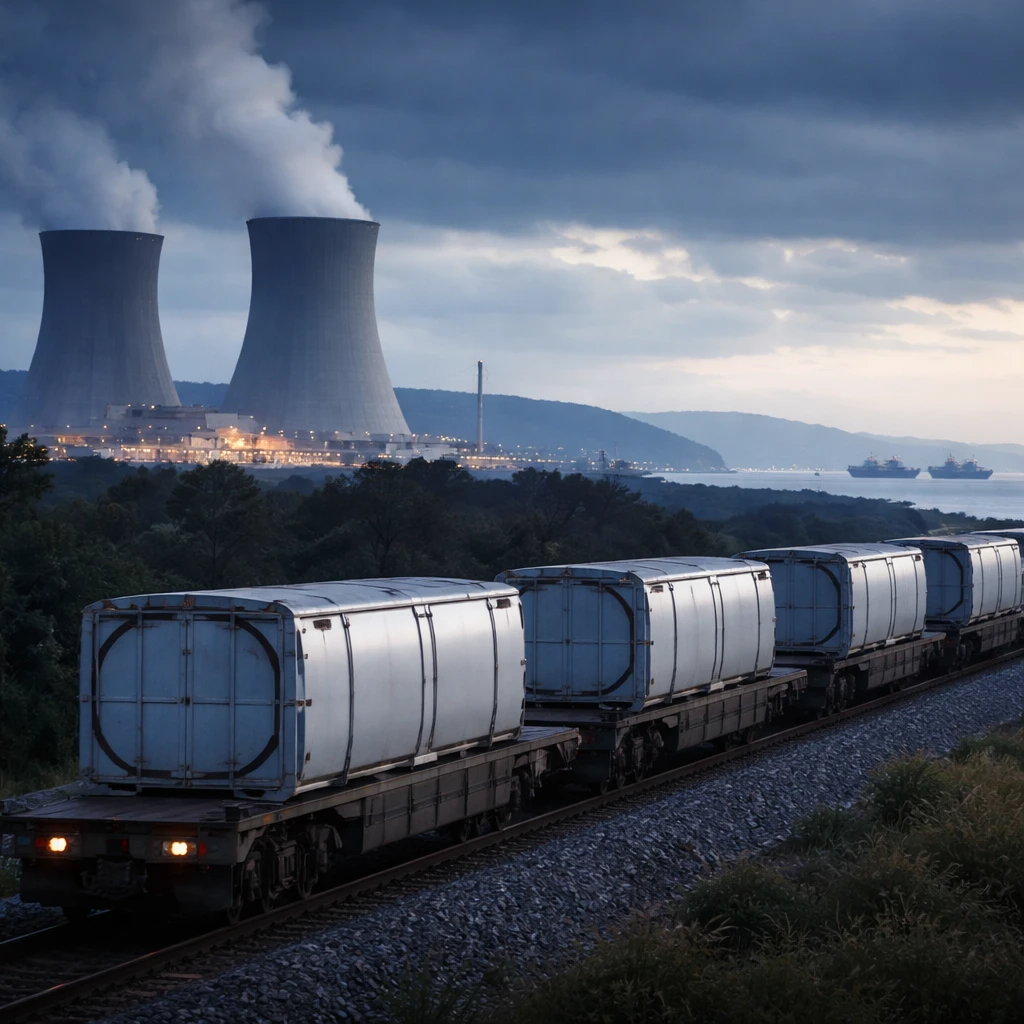
By contrast, the report emphasizes uranium's logistical flexibility. Global reactors consume about 0.6 million pounds of uranium per day, a quantity that Bernstein notes can be transported in just a few train cars. That stands in stark relief to the millions of barrels of oil needed daily to sustain global energy flows. Because uranium is compact and high-value, it requires far less bulk movement and is therefore less sensitive to localized interruptions in maritime traffic.
This difference in transport requirements is central to Bernstein's case that nuclear energy is more resilient to the acute transport disruptions now affecting the Persian Gulf. While LNG and oil may face immediate supply shocks from the blockade of a single waterway, the report says the uranium supply chain is "structurally differentiated" and has remained largely undisrupted by the current geopolitical tensions.
Bernstein frames the "Iran War" as a potential catalyst for renewed global momentum behind nuclear power. As hydrocarbon markets acquire a perceived "war-risk premium" and shipping routes encounter snarls, the report suggests governments will increasingly prioritize energy sources that reduce dependence on vulnerable maritime corridors. The compactness of nuclear fuel is described as a strategic asset as nations re-emphasize energy independence in response to the conflict.
From an investment perspective, the report notes that shifting policy preferences and concerns about hydrocarbon fragility could redirect capital toward nuclear projects and the uranium sector. Bernstein expects the market distinction between "transport-heavy" energy sources and "transport-light" ones to prompt notable capital reallocation toward the nuclear transition if the conflict persists.
That re-evaluation of nuclear's role rests on the transport and supply-chain contrasts laid out in the report: while millions of barrels of oil and large volumes of LNG depend on uninterrupted maritime access, less than one million pounds of uranium per day is sufficient to supply reactors globally and can be moved with minimal bulk logistics. Those dynamics, Bernstein argues, increase nuclear fuel's appeal amid heightened concerns over maritime chokepoints.
Key points
- About 20% of global oil and LNG volumes are exposed to disruption at maritime chokepoints such as the Strait of Hormuz - impacting shipping and fossil-fuel markets.
- Global reactors consume roughly 0.6 million pounds of uranium per day, a volume that can be transported in a few train cars, giving nuclear fuel a logistics advantage over bulk hydrocarbons.
- Bernstein projects that the conflict may accelerate investment in nuclear infrastructure and shift capital toward the uranium sector as policymakers and markets seek energy sources less reliant on vulnerable shipping routes.
Risks and uncertainties
- Continued regional conflict could sustain or increase a "war-risk premium" on hydrocarbons, prolonging market volatility for oil and LNG and affecting energy prices and shipping industries.
- Blockage or disruption of key waterways remains a direct supply risk for bulk fuels, with immediate effects on global fossil-fuel availability and associated logistical chains.