
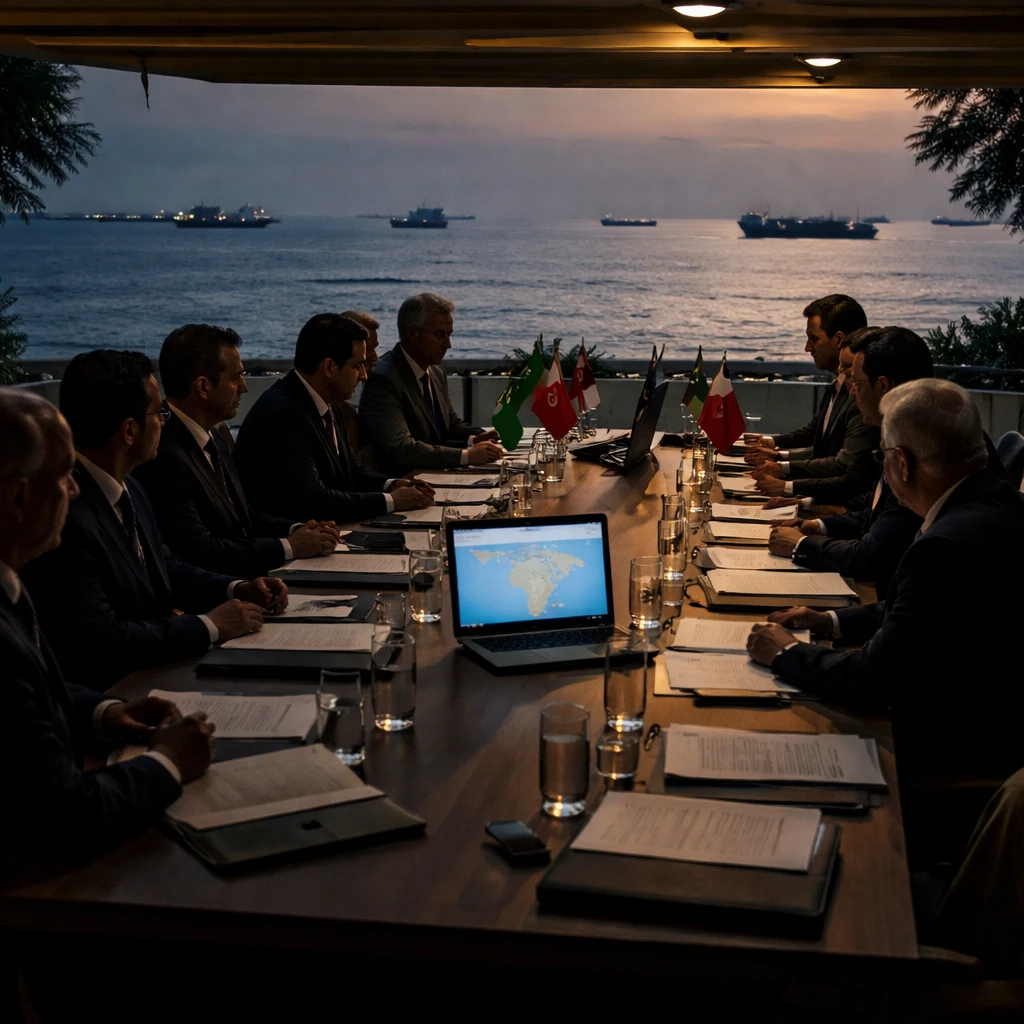
Diplomatic channels involving the United States, Iran and several regional intermediaries are engaged in discussions over the potential terms of a 45-day ceasefire that would be the first step toward ending ongoing hostilities, according to four U.S., Israeli and regional sources familiar with the talks.
Participants in the latest mediation effort include representatives from Pakistan, Egypt and Turkey, who are working alongside diplomatic contacts in Washington and Tehran. Messages have been exchanged between U.S. Middle East envoy Steve Witkoff and Iranian Foreign Minister Abbas Araghchi as part of those exchanges.
The framework under consideration envisions an initial 45-day pause in fighting during which negotiators would pursue a broader agreement aimed at permanently ending the conflict. That first phase could be extended if mediators determine more time is required to reach a comprehensive settlement.
Officials involved in the discussions say the probability of securing even a partial agreement within the next 48 hours appears low. Nevertheless, mediators involved in the push view this effort as the last realistic chance to prevent a significant escalation that could include strikes on Iranian civilian infrastructure or retaliatory attacks targeting energy and water facilities in the Gulf region.
Separately, President Donald Trump on Sunday extended his deadline for Iran to reopen the Strait of Hormuz until Tuesday at 8 p.m. Eastern Time and said Washington was "in deep negotiations" with Tehran. He also warned that if no deal is reached, he could authorize sweeping military action, saying, "There is a good chance, but if they don't make a deal, I am blowing up everything over there."
Mediators are reported to be exploring limited Iranian confidence-building measures on two specific fronts: the security of commercial shipping transiting the Strait of Hormuz and the status of highly enriched uranium stockpiles. At the same time, U.S. officials are considering guarantees intended to reassure Tehran that any agreed ceasefire would be durable and not collapse quickly.
Those engaged in the talks emphasize the narrow window for progress and the sensitivity of issues under negotiation. The parties are weighing whether temporary, verifiable steps can create the conditions for more substantive, long-term arrangements while managing the political and security risks that remain prominent on both sides.