
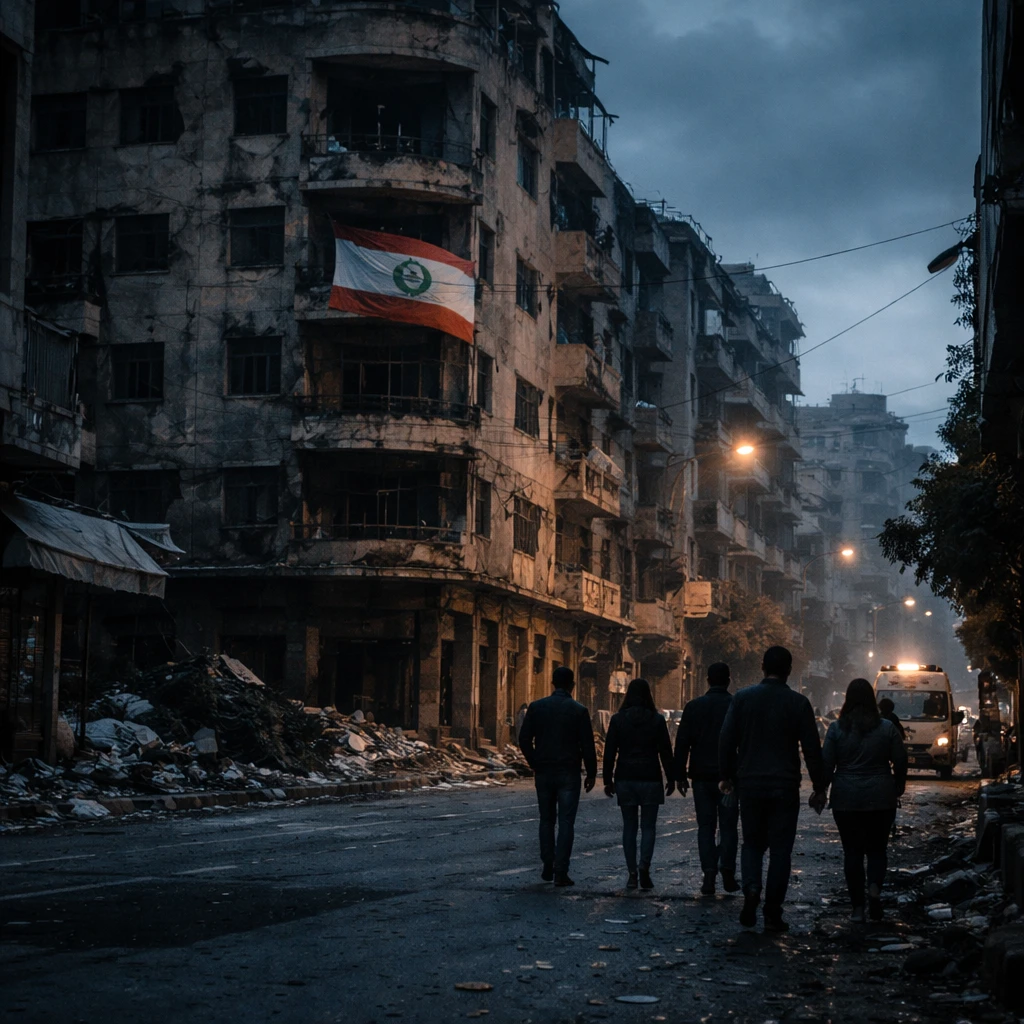
Lebanese President Joseph Aoun sharply criticized Iran on Friday, accusing Tehran of treating Lebanon as a bargaining chip in its negotiations with the United States. In a television interview with CNN, Aoun said Lebanese citizens are bearing the consequences of Iran's strategic choices and voiced frustration at the continued fighting between Israel and Hezbollah.
"They are using Lebanon as a bargaining chip in their negotiation with the United States," Aoun said of Iran. "It’s unacceptable."
Hezbollah, which was founded by Iran’s Revolutionary Guards in 1982, initiated the most recent confrontations more than three months ago by opening fire in solidarity with Tehran as Iran came under U.S.-Israeli attack. The president emphasized that ordinary Lebanese are suffering the fallout from those actions.
Aoun, a Maronite Christian who previously led the Lebanese military before his election as head of state last year, has advocated for the peaceful disarmament of Hezbollah since taking office. Early in the current conflict, he publicly sought face-to-face negotiations with Israel, a stance that set him at odds with Hezbollah.
According to Aoun, Iran has made a cessation of hostilities in Lebanon a precondition for any peace deal with Washington in the broader regional conflict that began with the U.S.-Israeli attack on Tehran on February 28. That condition, he implied, places Lebanon at the center of external diplomatic bargaining rather than prioritizing Lebanese interests.
On Thursday, Hezbollah declined a ceasefire arrangement that had been agreed upon by Lebanese and Israeli government officials during U.S.-mediated talks in Washington. Under the Washington proposal, Hezbollah would halt fire and its fighters would withdraw from southern Lebanon.
Hezbollah deputy leader Naim Qassem issued a written statement on Thursday saying the Washington agreement was rejected by broad segments of the Lebanese people. Responding directly to that claim, Aoun said: "The Lebanese people are not your people."
The president's remarks represent his strongest public rebuke yet of both Tehran and Hezbollah during the present hostilities. They underline a widening domestic rift over how Lebanon should respond to and be affected by the regional conflict.
At this stage, Aoun's comments primarily underscore political and social tensions within Lebanon and the area's broader diplomatic negotiations. The president's insistence on disarmament and his outreach for direct talks with Israel remain points of divergence with Hezbollah's current approach.