
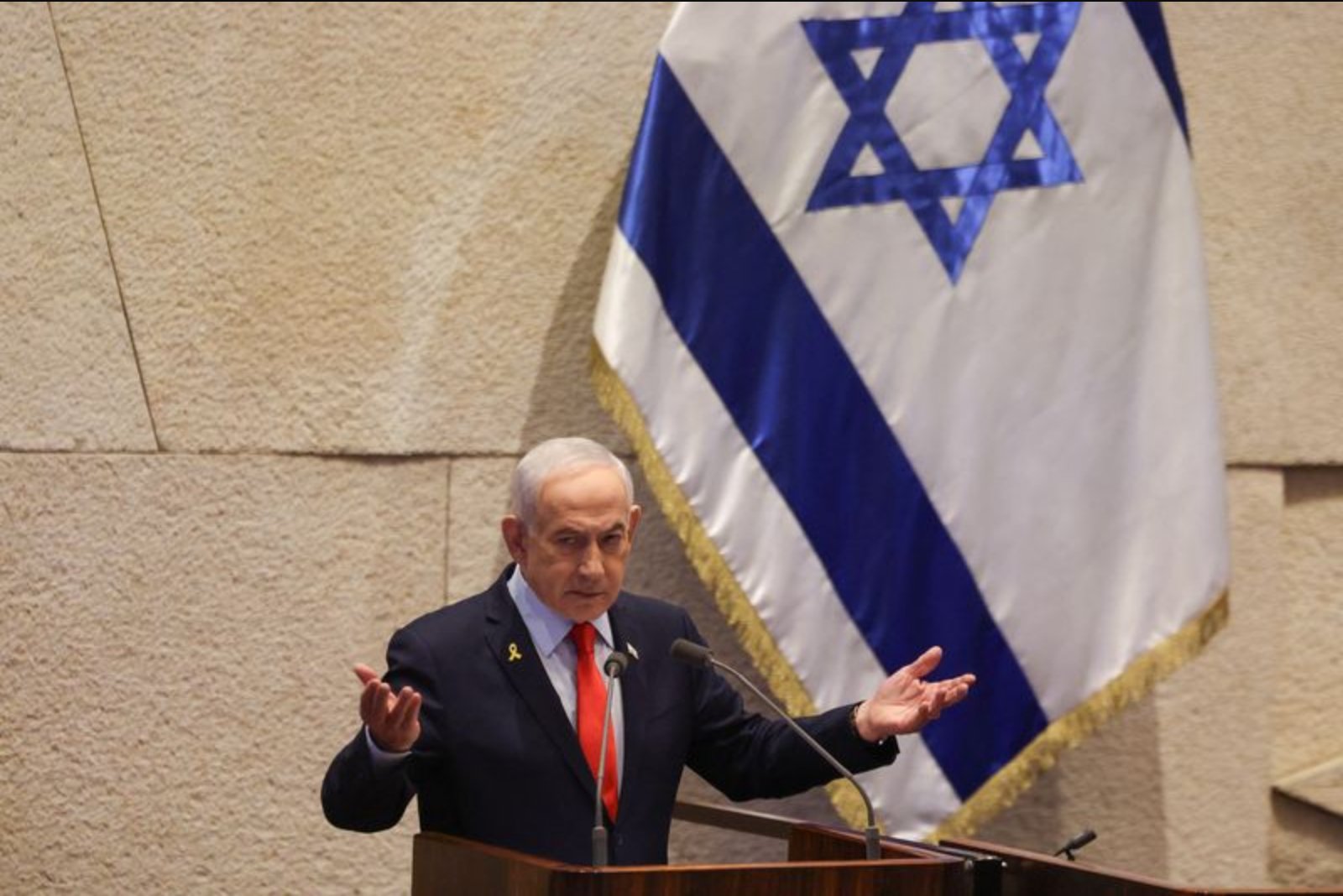
JERUSALEM, Jan 28 - Israel’s parliament was preparing on Wednesday for the first vote on the 2026 state budget draft, a decisive moment for Prime Minister Benjamin Netanyahu’s government as internal divisions widen. The draft budget and its linked economic plan face significant resistance inside the coalition, and by law the full budget must be enacted by the end of March or a premature national election will be forced.
The coalition has been torn for more than two years by disagreements tied to the war in Gaza, the October ceasefire that has paused the bulk of fighting, and contentious demands from ultra-Orthodox Jewish parties seeking to exempt seminary students from mandatory military service. Those divisions have repeatedly complicated consensus on fiscal priorities.
Netanyahu addressed reporters on Tuesday evening, emphasizing his preference to avoid an early election before the current October 2026 schedule. "We are in a very sensitive situation and I think the last thing we need right now is elections," he said at a press conference. "We’ll have elections later on this year, but I think it’s a mistake to have them now, and I hope that people understand that and act sensibly." He added that he hoped the budget would pass.
Parliamentarians were expected to hold the vote later on Wednesday or in the early hours of Thursday, following what officials anticipated would be a protracted debate on the Knesset floor.
Conscription dispute at the heart of the crisis
The single issue most likely to unseat the coalition is a pending military conscription bill. Netanyahu depends on the backing of ultra-Orthodox, or Haredi, parties, and their push to secure an exemption for seminary students has long been a source of friction.
Haredi factions have warned they could withhold support for the budget if the draft law is not enacted in a manner favourable to their constituency. In contrast, other right-wing partners in the government, along with opposition lawmakers, argue that Haredi men should share the military burden, particularly after two years of combat in Gaza and Lebanon that resulted in nearly 1,000 Israeli soldier fatalities.
A spokesman for Moshe Gafni, who leads the United Torah Judaism party, said UTJ had not yet determined whether it would back the budget in the opening vote. Other Haredi parties did not immediately respond to requests for comment.
Israeli media cited reports that Finance Minister Bezalel Smotrich told ultra-Orthodox leaders he would not make the budget vote conditional on passage of the draft conscription law, and suggested that if they refused to support the budget, the country should face an election. A spokesman for Smotrich, who has indicated the Haredi parties would see increased funding this year, did not provide a comment on those media reports.
Even if the initial, preliminary vote succeeds, the budget must still clear two additional parliamentary votes by March 31 to be fully ratified into law.
Fiscal parameters and central bank concerns
The draft framework envisions total state spending of 662 billion shekels, excluding costs related to servicing debt. Lawmakers set a deficit ceiling at 3.9% of gross domestic product - a level the Bank of Israel considers too high because it would not enable a reduction in the overall debt burden.
Bank of Israel Governor Amir Yaron told members of the parliament’s finance committee on Wednesday that, despite reservations, the budget must be approved. "Despite all my reservations and everything included in the budget ... it must be passed," he said. He cautioned against any slackening of the deficit target, especially given the potential for additional outlays tied to geopolitical developments. "The deficit target must not creep up, especially given the possibility of additional expenditures due to geopolitical developments."
Official figures show the budget deficit narrowed to 4.7% of GDP in 2025 from 6.8% in 2023. The spike in defence spending linked to the Gaza conflict pushed the deficit higher over the last two years.
Although an October ceasefire brought most hostilities to a halt, it did not end all clashes; both sides have accused the other of breaching elements of the agreement.
Exchange rate used in official calculations was noted at $1 = 3.0925 shekels.
The coming days in the Knesset will determine whether the government can secure preliminary legislative backing for its fiscal plan and avoid a forced early election, or whether enduring political disagreements will push the country toward the ballot box months earlier than planned.