
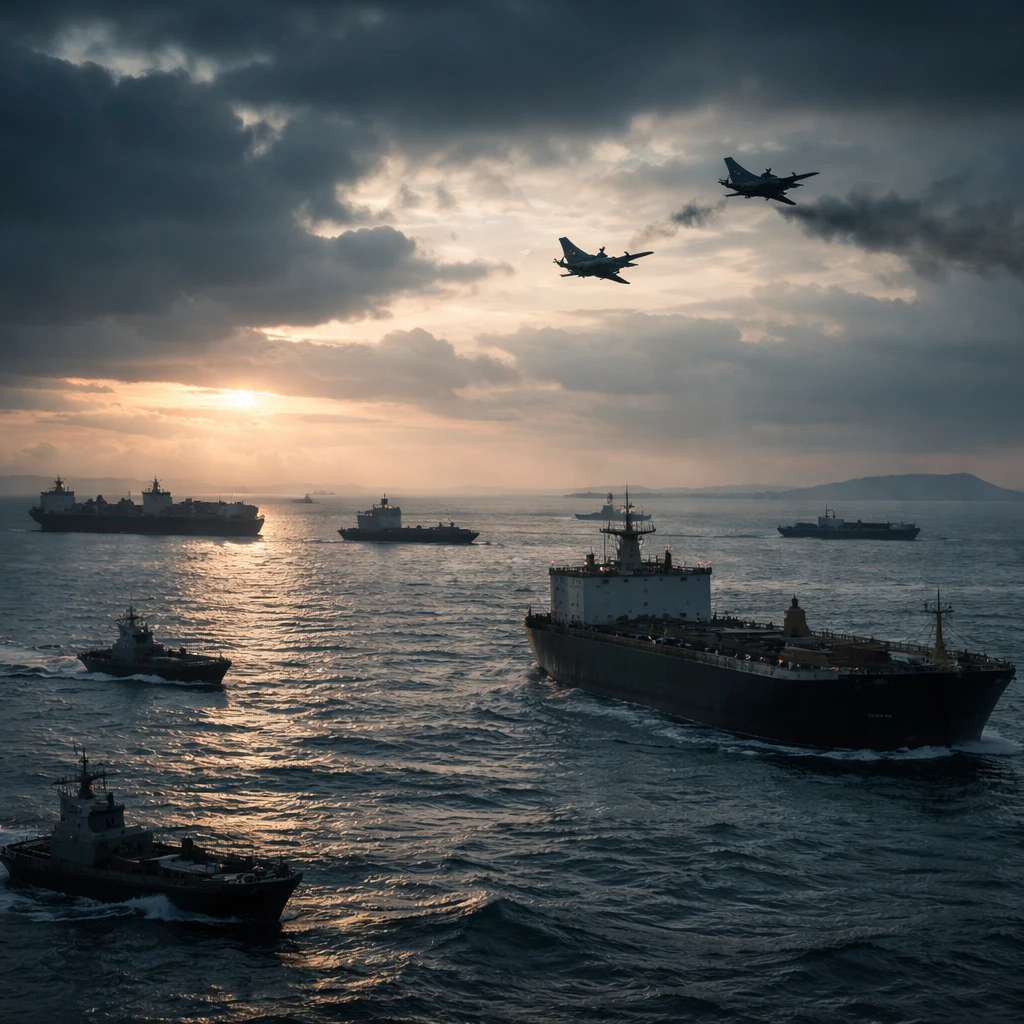
Despite enduring heavy kinetic strikes, Iranian forces have shown a capacity to impose mounting operational and economic costs on U.S. and allied forces by pivoting to asymmetric forms of warfare that prioritize disruption over classic battlefield conquest.
In a development first reported by news outlets, Iran shot down two U.S. warplanes - an F-15E Strike Eagle and an A-10 Thunderbolt II - marking the first combat air losses after more than 13,000 sorties. While U.S. forces continue to hold overall air superiority, the incident illustrates a change in Iranian tactics toward a sustained - and more politically taxing - campaign of attrition.
From direct engagements to targeted disruption
Analysts tracking the conflict say Tehran has moved away from direct, “toe-to-toe” confrontations with superior U.S. firepower. Instead, the strategy centers on striking critical sensors and infrastructure - including radar sites - applying pressure to Gulf energy installations, and maintaining constraints on the Strait of Hormuz. Those choices are intended to inflict continual operational friction and economic pain rather than achieve a decisive military victory.
Officials and commentators have described this approach using terms like the “weapon of disruption” and, in other accounts, the “weapon of mass disruption.” Either way, the practical effect has been volatility in global energy markets and higher maritime insurance costs, linking battlefield activity directly to economic measures such as U.S. domestic inflation.
Diplomatic collapse and implications for trade
The shootdowns have coincided with a hardening Iranian diplomatic stance. Iranian representatives have told mediators they will not attend a planned peace summit in Islamabad, saying the White House’s ceasefire demands are “unacceptable.” That diplomatic breakdown, combined with the first U.S. pilot casualties, has led observers to contemplate a prolonged conflict scenario, with the reopening of critical trade routes potentially delayed well into the second half of 2026.
Escalation into the commercial and logistical sphere
The campaign has expanded beyond pure military targets. Tehran has carried out daily drone and missile strikes against a range of regional sites, including ports, high-end hotels, and corporate facilities such as Amazon data centers. A separate strike at Prince Sultan Air Base heavily damaged a U.S. E-3 AWACS radar aircraft and several aerial refueling tankers, compounding strain on U.S. regional logistics and command-and-control capabilities.
In reaction to the shifting operational environment, the U.S. administration has ordered thousands more troops into the theater - including additional Marines and elements of the 82nd Airborne Division - a move that signals the potential for expanded ground operations or assaults on Iranian-controlled islands.
Private-sector recalibration and market effects
As military and civilian infrastructure on both sides comes under fire, multinational corporations are reassessing their Gulf footprints. Successful strikes on hardened military installations have amplified concerns about the exposure of private energy and technology assets. Markets are increasingly factoring in a higher geopolitical risk premium for companies with significant Middle Eastern logistics and energy exposures, as the pathway to a quick de-escalation grows less certain.
For investors and corporate planners, the combination of continued kinetic activity, diplomatic stalemate, and damage to both military and civilian facilities points to sustained operational and insurance costs, and to greater uncertainty around the timing for a return to stable trade flows in the region.
Key points
- Iran shot down two U.S. warplanes - an F-15E Strike Eagle and an A-10 Thunderbolt II - the first combat air losses after over 13,000 sorties.
- Tehran has shifted to asymmetric tactics focused on radar sites, Gulf energy infrastructure and a blockade on the Strait of Hormuz, aiming to raise costs for U.S. and allied forces.
- Markets are pricing higher geopolitical risk premia for firms exposed to Middle Eastern logistics and energy production amid damaged military and civilian infrastructure.
Risks and uncertainties
- Prolonged conflict: The diplomatic breakdown and first U.S. pilot casualties increase the risk that the conflict could extend, delaying the reopening of major trade routes into the second half of 2026 - impacting shipping, logistics and energy sectors.
- Escalation to wider ground operations: Deployment of additional Marines and 82nd Airborne forces raises uncertainty over a possible expansion into ground combat, with implications for regional stability and operational logistics.
- Commercial asset vulnerability: Daily strikes on ports, hotels and corporate data centers heighten the risk to private-sector energy and tech infrastructure, leading companies to reconsider Gulf operations and insurers to raise premiums.