
Investors are recalibrating a new version of the so-called "Trump trade," crafting shorter-term strategies to cope with a market whose direction is being dominated by geopolitics rather than by steady, long-horizon economic signals. The immediate fallout from a U.S.-Iran ceasefire has already produced sharp moves across commodities, currencies and sovereign debt, and managers say it is proving difficult to allocate capital on the basis of long-term forecasts while uncertainty over energy flows and headline risk persists.
Higher-for-longer oil, despite a sharp drop
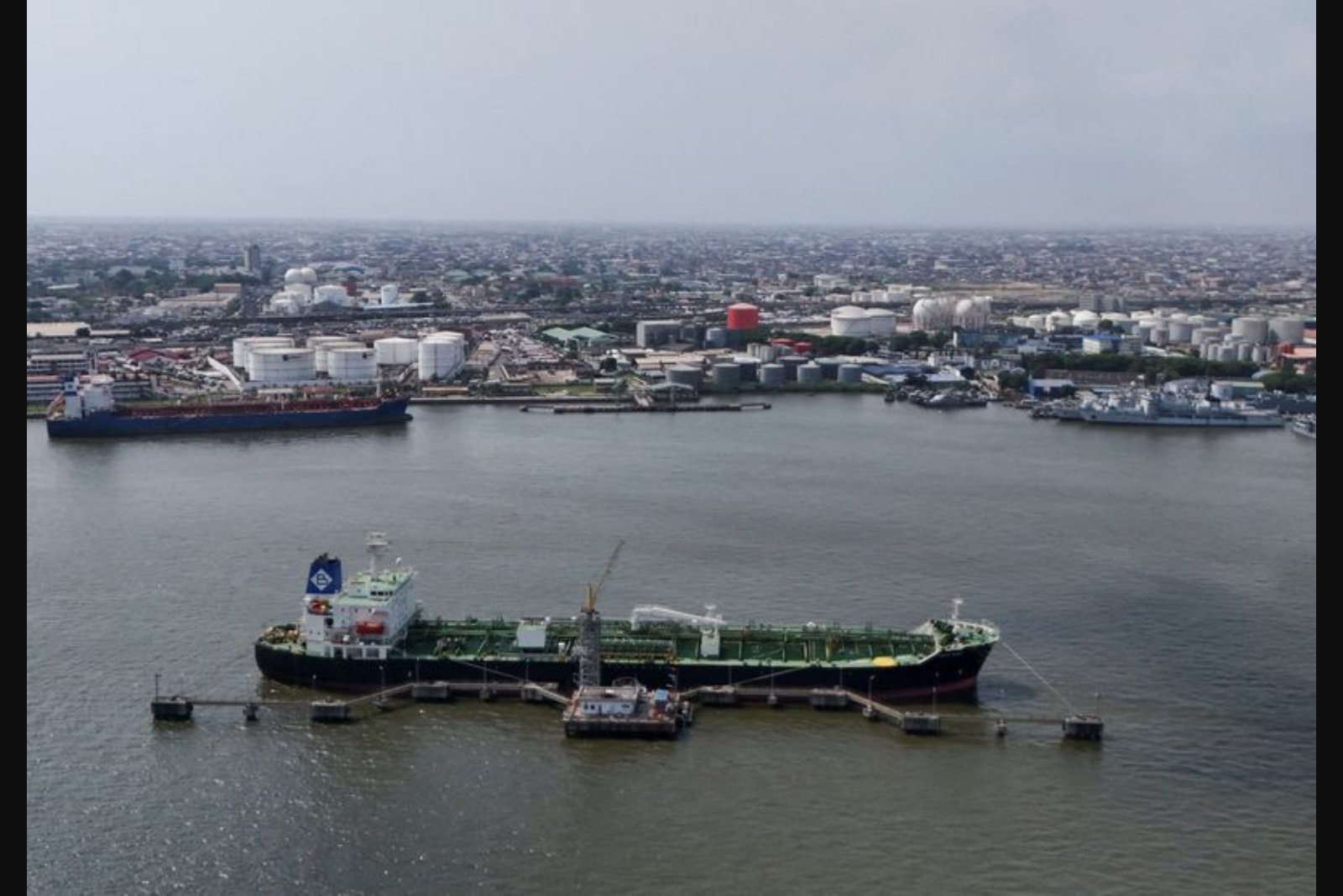
On the day the ceasefire news broke, oil prices plunged nearly 15% to below $100 a barrel. Yet futures trading six months forward are near $79 a barrel, a level above where they were before hostilities began on February 28. Traders have consistently pared back prices on days when détente looks more likely, and some market participants argue those intraday declines have overshot.
Societe Generale's global head of commodities research, Michael Haigh, said that even if a ceasefire holds with no immediate fresh flare-ups, the oil price would be supported at around $85 per barrel by year-end. He added that if countries respond to the shock by prioritising energy security and begin to rebuild strategic reserves, that would push prices higher. Shell has signalled it expects stronger oil trading ahead.
These dynamics have altered investor sentiment toward energy producers. A Bank of America survey dated March 31 recorded that 30% of investors still hold a negative view on the sector, down from 40% six months earlier - a decline attributed in part to reassessed risk from the Iran conflict and to the possibility of a structurally higher oil floor.
Oil-exporting currencies could benefit if crude stays elevated
The U.S. dollar has regained strength after a period of relative weakness, but currency markets could shift if a reduction in geopolitical risk lowers demand for the reserve currency while crude prices remain elevated. Russell Investments' Van Luu noted that even in a permanent ceasefire scenario there will be a lag as logistics and tanker movements normalise - "It will take a while for everything to ramp up again, for the tankers to travel again, and oil prices might have a higher floor," he said.
Luu added that if oil trades in a range of $85 to $100 per barrel then energy exporters in politically stable jurisdictions should do relatively well, citing Canada and Norway as examples of countries that could benefit from sustained higher oil revenues.
Government bonds rebound but yields may still be elevated
The U.S. President's ceasefire pledge triggered a fall in British and euro zone sovereign borrowing costs as fears that energy-driven inflation would surge eased. Yet several money managers argue yields in some markets remain too rich relative to the underlying interest rate and inflation outlooks.
In the United Kingdom, the Bank of England's base rate stands at 3.75% while consumer price inflation is running at 3.2%. Despite that backdrop, the 10-year gilt yield sits just below 4.7%. Morningstar Wealth associate portfolio manager Nicolo Bragazza said he does not expect a repeat of 2022-style inflation where UK consumer prices rose above 10%, and he expressed a positive view on gilts.
Across the euro zone, German 10-year yields are roughly 2.9% while policy rates are near 2%. Market pricing has moved quickly on the changing prospects for central bank action: investors now assign about a 20% probability to a European Central Bank rate hike in April, down from a 60% chance before the U.S. President's ceasefire announcement.
Searching for mispricings amid headline-driven correlations
Some portfolio managers say ephemeral correlations and headline-driven swings have created trading opportunities where assets that historically would not move together have been swept up in the same direction. Morningstar's Nicolo Bragazza observed that investors tend to overreact to both positive and negative headlines, producing pricing anomalies that can be exploited.
Bruno Taillardat, head of quantitative portfolio management at Edmond de Rothschild, pointed to global healthcare stocks as an example. Typically seen as defensive during economic downturns, healthcare equities have moved in step with a world index of economically cyclical businesses since the onset of the Iran war, he said. In a market dominated by sentiment, managers that can detect these dislocations and act quickly stand to benefit.
Both Taillardat and Bragazza expect the U.S. President's rhetoric to keep markets prone to volatility and overreaction. That asymmetric behaviour around newsflow, they argue, is precisely what produces tradeable opportunities for investors willing to implement shorter-term, tactical positions rather than committing on the basis of long-run forecasts.
Implications for investors
- Many institutional and discretionary investors are favouring shorter-duration trades to capture mispricings caused by rapid shifts in sentiment.
- Sectors directly affected include energy and energy-related currencies, sovereign bond markets in the UK and euro zone, and defensive equity sectors such as healthcare where relative value anomalies have emerged.
- Market participants caution that while headlines can reverse quickly, structural reactions - such as renewed emphasis on energy security - could sustain higher price floors for commodities.