
Mexico’s consumer price readings for March have sharpened a disagreement inside the central bank over the timing and pace of monetary easing, according to minutes from the bank’s March 26 meeting and fresh inflation data released on April 9.
National statistics agency INEGI reported that consumer prices climbed 4.59% in the year through March, accelerating from 4.02% in February and marking the fastest annual pace since October 2024. The data were published after Banxico resumed easing last month with a narrow 3-2 vote to cut its benchmark rate by 25 basis points to 6.75%.
A divided board
The minutes of the central bank meeting lay bare the split among board members over that decision. Governor Victoria Rodriguez and deputies Omar Mejia and Gabriel Cuadra supported the rate reduction, while deputies Jonathan Heath and Galia Borja dissented.
Borja and Heath cautioned against moving too quickly given new uncertainties, pointing to geopolitical tensions and disruptions linked to the conflict involving the U.S. and Israel’s operations against Iran. "The escalation of the Middle East conflict has raised oil prices and volatility in financial markets, introducing new risks for inflation and economic activity," deputy Galia Borja said. "There is still limited information to accurately assess the implications of this shock."
Jonathan Heath, identified in the minutes as the most hawkish board member, urged a pause. He warned that cutting rates while inflation remains elevated risks damaging the bank’s credibility. "With these actions, we are giving the wrong impression of being less committed to the primary mandate," he said.
Majority view and economic slack
Those in favor of easing argued that Mexico’s weak economic backdrop provides a cushion against external price pressures. The minutes note that "most members estimated that the current ample slack conditions of the Mexican economy would help mitigate the impact" of shocks from the conflict. The majority characterized rising agricultural prices as largely stemming from temporary supply dislocations rather than from persistent domestic pressures that would call for tighter policy.
Still, the minutes show the minority preferred more time to assess the trajectory of inflation before approving further rate reductions.
What drove March’s inflation uptick
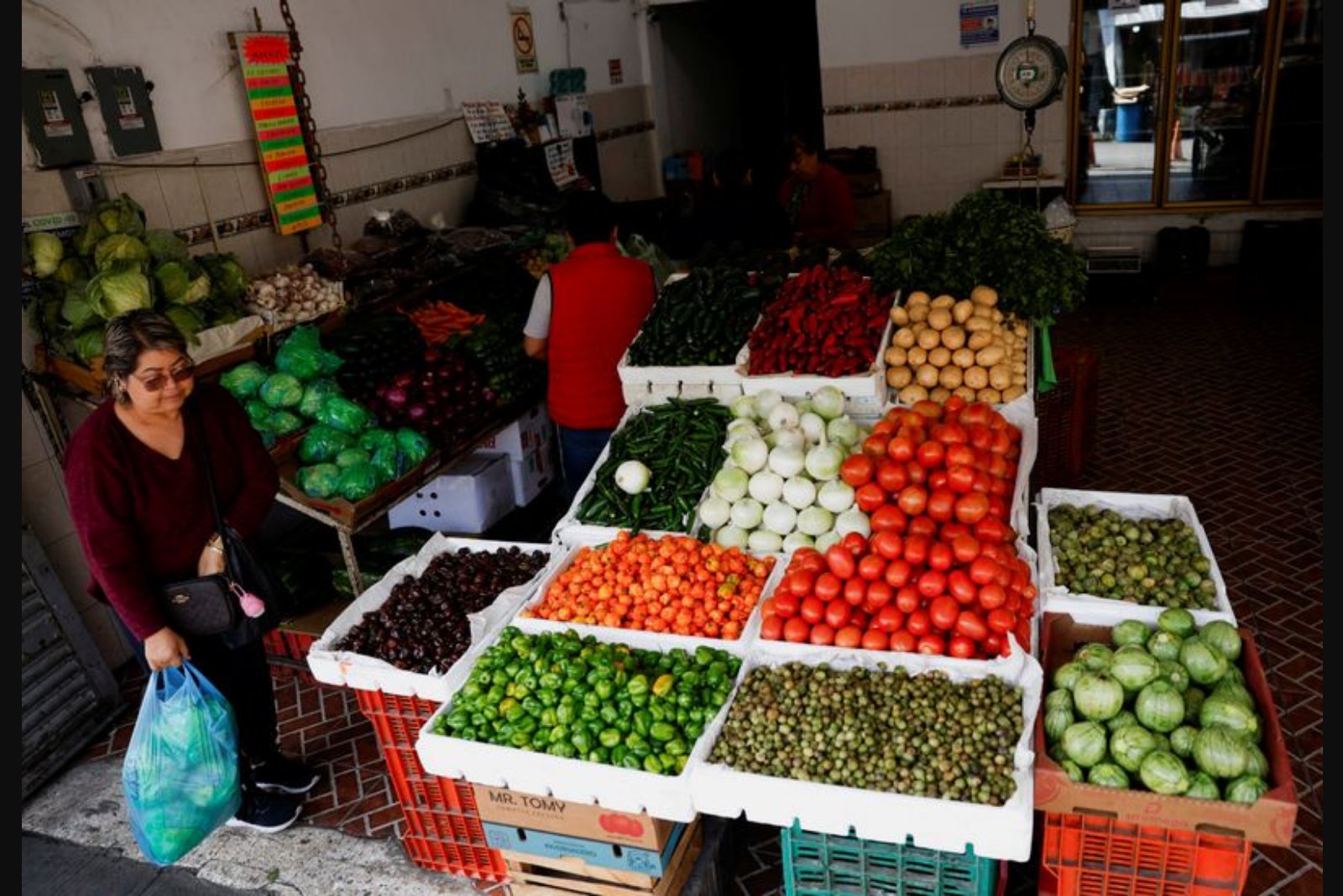
INEGI’s release attributed the acceleration in headline inflation to higher prices in basic goods such as fruits and vegetables, and to more expensive transport services. The bank linked these moves in part to a global jump in fuel costs tied to the U.S.-Israeli war on Iran, which has pushed energy prices higher and increased market volatility.
At the same time, the annual core inflation index, which excludes the most volatile food and energy components and is closely watched as an indicator of underlying price pressures, decelerated slightly to 4.45% in March from 4.50% in February. Policymakers at Banxico view the core index as a better gauge of the inflation path because it strips out volatile food and energy movements.
Looking ahead to May 7
The minutes and the inflation figures give added significance to Banxico’s upcoming policy meeting on May 7. The government’s majority on the board considers recent price jumps to be temporary and driven by supply shocks; the bank’s minority wants a longer window to observe how those shocks evolve before endorsing further easing.
Market observers and analysts interpret the new data as increasing the likelihood that Banxico could pause its easing cycle at the May meeting until inflationary forces prove more clearly subdued.
In a note published on Thursday, Andres Abadia, chief Latin America economist at Pantheon Macroeconomics, said he expects Banxico to hold off on additional cuts until signs of easing inflation become unmistakable. "The ceasefire will ease some pressure on energy markets, helping to stabilize gasoline prices and inflation expectations," he wrote.
Implications
The recent inflation uptick and the tone of the minutes underline the tension central banks face when balancing concerns about persistent price pressures against the needs of a subdued economy. With a slim majority favoring further easing and notable dissenters urging caution, Banxico enters a period in which upcoming data and developments in energy markets are likely to shape the policy path.