
Economy April 13, 2026 01:07 PM

IEA Says It Stands Ready to Tap Reserves if Iran Conflict Deepens Energy Shock

Agency chief warns of unprecedented disruption and notes damage to more than 80 oil and gas facilities; no decision yet on releasing reserves

By Marcus Reed
IEA Says It Stands Ready to Tap Reserves if Iran Conflict Deepens Energy Shock

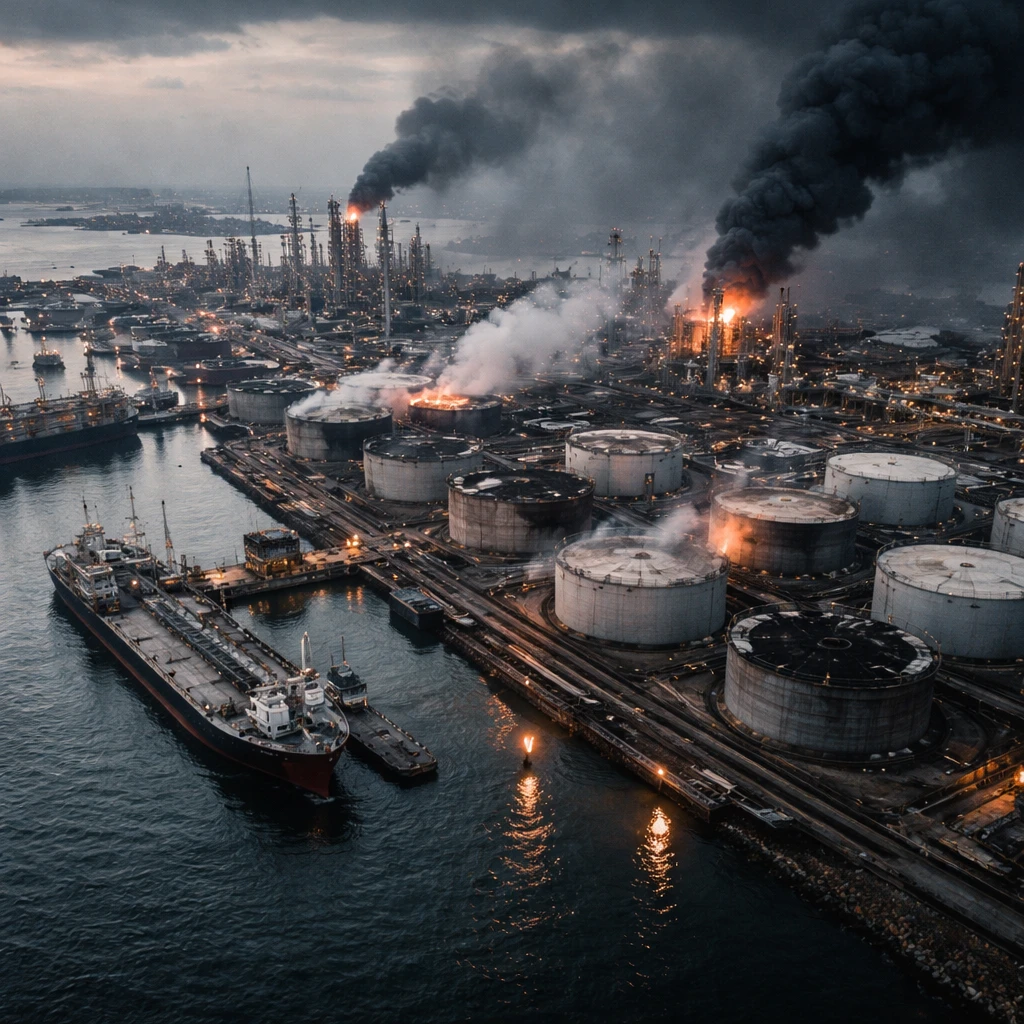
The International Energy Agency (IEA) has signaled it can deploy emergency oil stockpiles should the war with Iran further intensify the ongoing energy shock, IEA executive director Fatih Birol said. Speaking at an Atlantic Council event, Birol described the conflict as the worst global energy disruption on record and noted that over 80 oil and gas facilities - including production sites, terminals and refineries - have been damaged. The agency has not yet concluded whether another strategic release is necessary to steady markets.

Key Points

  • IEA is prepared to release additional oil stockpiles if the energy shock from the war with Iran requires intervention.
  • IEA head Fatih Birol described the conflict as the worst global energy disruption on record and said more than 80 oil and gas facilities - including production sites, terminals and refineries - have been damaged.
  • The agency has not yet determined whether another release of emergency reserves will be required to stabilize markets; any release remains contingent on how the situation develops.

The International Energy Agency remains prepared to release additional strategic oil reserves if the situation tied to the war with Iran deteriorates, IEA executive director Fatih Birol said on Monday. Addressing an Atlantic Council audience, Birol emphasized that while the option to deploy stockpiles exists, the agency hopes it will not be required.

Birol characterized the conflict as the most severe global energy disruption on record. He reported that more than 80 facilities connected to oil and gas - a tally that covers production sites, terminals and refineries - have sustained damage as a result of the fighting with Iran.

Despite noting the scale of the damage and the agency's readiness to intervene, Birol made clear that the IEA has not yet reached a determination on whether another release of emergency stocks would be necessary to stabilize markets. That decision, he implied, would depend on how the energy shock evolves.

From a logistics and supply perspective, the damage to a wide set of physical assets - production platforms, storage and terminal infrastructure, and refining capacity - underscores vulnerabilities in the energy supply chain. The agency's stated willingness to mobilize stockpiles reflects a policy lever designed to address acute disruptions, but Birol’s comments indicate the IEA is reserving judgment until further developments make the need clear.


Contextual note - The IEA's public readiness to release reserves is framed as contingent and reactive: officials are prepared to act if required, yet there is no current decision to do so. The count of more than 80 damaged oil and gas facilities was cited directly by the IEA chief as part of his assessment of the shock to global energy.

Risks

  • Further escalation of the conflict could worsen the energy shock, potentially forcing the IEA to decide on a stockpile release - impacting oil, refining and shipping sectors.
  • Damage to more than 80 facilities - production sites, terminals and refineries - creates uncertainty for physical supply chains and could contribute to market volatility until a clear assessment is made.

More from Economy

Banks Face Elevated Cyber Risk as Anthropic’s Mythos Shows Capacity to Automate Complex Exploits Apr 13, 2026 BlackRock Boosts U.S. Equity Stance, Cites Contained Iran Conflict and Strong Earnings Outlook Apr 13, 2026 Goolsbee Says Consumer Strength Will Determine How Oil Shock Affects U.S. Growth Apr 13, 2026 White House Economists Say U.S. Lacks at Least 10 Million Single-Family Homes Apr 13, 2026 Emerging Markets Take Centre Stage at IMF-World Bank Spring Meetings as Regional Shocks Intensify Apr 13, 2026