
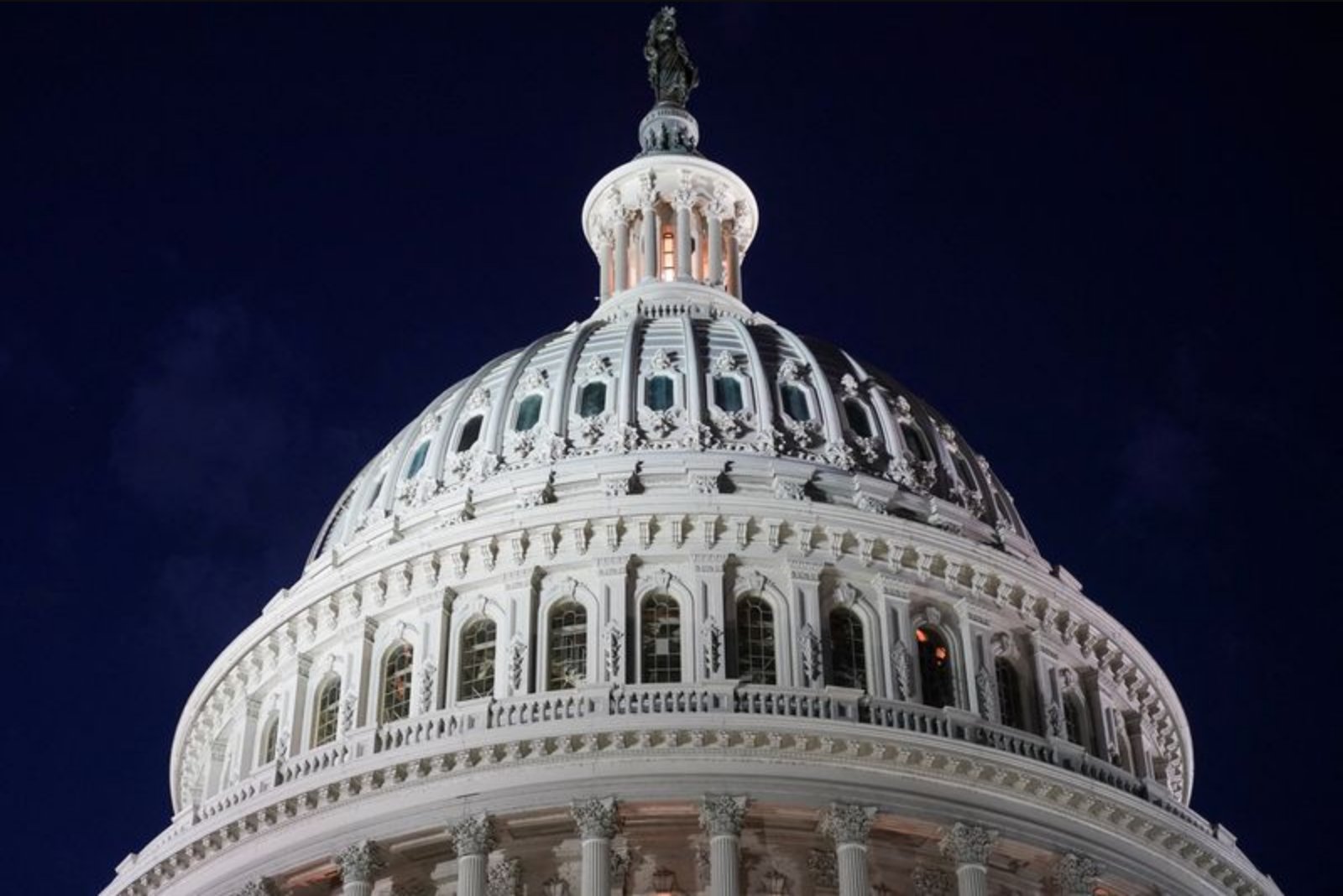
WASHINGTON, Feb 2 - The U.S. House of Representatives on Monday began consideration of a measure designed to lift a partial government shutdown that took effect over the weekend, with House leaders expecting to hold a final vote on Tuesday.
Funding for the Pentagon, the Department of Transportation and several other federal agencies expired on Saturday after negotiations on spending were complicated by a standoff over immigration enforcement. Despite the lapse in appropriations, the immediate operational impact has been muted because workers classified as "essential" - including troops and air traffic controllers - have remained on the job.
Historical precedent suggests short interruptions of this type often have limited practical effect. The Congressional Research Service notes the government has experienced 10 funding gaps of three days or fewer since 1977, and most produced little real-world consequence. This most recent lapse is expected to be brief, unlike the last shutdown, which extended a record 43 days in October and November of 2025.
A bipartisan agreement that would restore government funding and allow continued negotiations over immigration enforcement tactics cleared the Senate by a wide margin on Friday. Republican leaders in the House have begun preparing for a swift vote in their chamber.
Representative Tom Emmer of Minnesota, who is the House's No. 3 Republican, said the chamber is scheduled to vote on the funding package on Tuesday. A House committee was set to consider the deal on Monday, with debate on the measure possibly running late into the night. House passage is not assured.
Republicans hold a narrow majority in the House, controlling the body by a 218-213 margin. The balance of power will shift by one seat in favor of Democrats when the chamber's newest member, Christian Menefee of Texas, is sworn in.
Not all Democrats support the agreement. Some in the party object to the terms worked out between the President and Senate negotiators, arguing the deal should allow more time to press for new limits on federal immigration agents involved in the administration's enforcement actions. The dispute was intensified after Department of Homeland Security agents killed two U.S. citizens in Minnesota last month, an event that provoked widespread outrage.
There are also potential objections from the Republican right flank, meaning final approval in the House could face resistance from both parties. Until lawmakers secure the votes necessary for passage, uncertainty will remain over the timing of restored funding and the continuation of talks on immigration enforcement.
Key points
- House set to take up funding measure Monday with a final vote expected Tuesday - impacts defense and transportation agencies.
- Short-term disruption has been limited as essential personnel continue work; brief shutdowns since 1977 have often had little practical effect.
- Passage is uncertain due to narrow Republican majority and objections from some Democrats and conservative Republicans - political dynamics could affect federal operations and markets tied to defense and transportation.
Risks and uncertainties
- Legislative risk: Passage is not guaranteed because of a slim 218-213 Republican margin and potential defections - this could prolong funding uncertainty for affected agencies.
- Political risk: Objections from some House Democrats seeking stronger limits on immigration agents, and possible opposition from the Republican right flank, create uncertainty over the bill's fate.
- Operational risk: While immediate disruption has been limited, an extended lapse would pose greater operational challenges for defense, transportation and other federal services.