
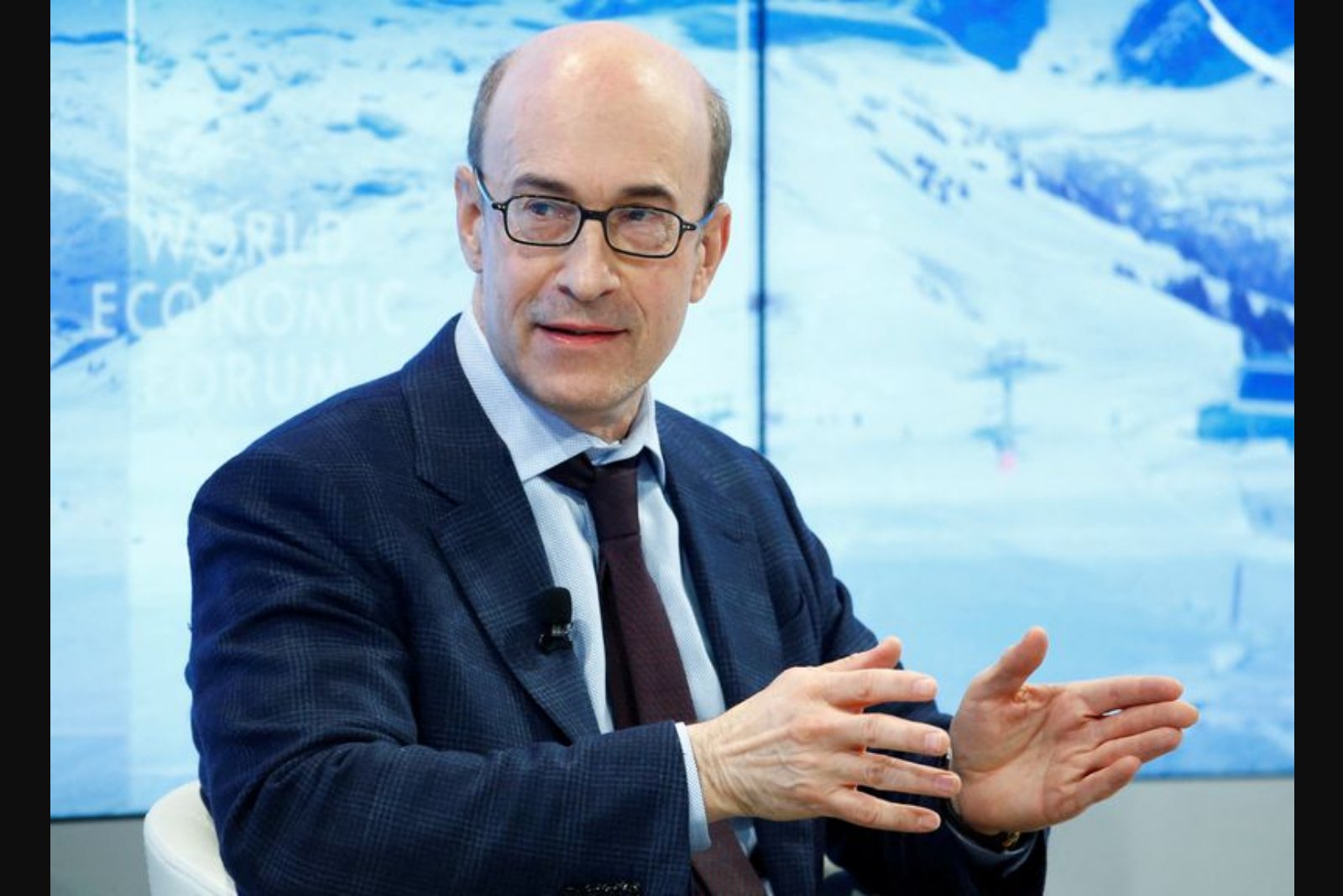
Kenneth Rogoff, who teaches at Harvard University and formerly held the role of IMF chief economist, warned that a central bank instrument designed to steady global markets in crisis could be turned into a tool of leverage by the current U.S. administration.
Rogoff was speaking during a visit to London about the Federal Reserve’s swap line facilities, the mechanism by which the Fed lends dollars to other central banks during periods of market stress. The facilities have been described as a crucial lifeline and were heavily deployed during the global financial crisis almost 20 years ago.
Concerns about unpredictable U.S. policy have grown since President Donald Trump returned to office last year, Rogoff said, citing tariff threats against European allies as an example that has shaken long-standing assumptions about U.S. behaviour. Asked whether the swap lines could be used as leverage, Rogoff replied that he would not be surprised if the administration used them in that way.
"The weaponisation of the dollar is not new, this has been happening since the 1950s, but I would not be surprised if the Trump administration used the weaponisation, for instance with swap lines," he told Reuters. "For instance, they could use it against Mexico if there was a disagreement on tariffs."
Last year’s broad import tariffs imposed by the administration prompted debate in European capitals over whether to build alternatives to Fed backstops. European officials discussed pooling dollars held by non-U.S. central banks as a way to reduce dependence on Washington for emergency liquidity.
Rogoff said that talk about alternatives may be justified, but cautioned that such measures require appropriate operational systems. "Swap lines have more meaning once the back-office infrastructure is developed," he said, indicating that practical readiness is essential for any substitute mechanism to be effective.
Geopolitical observers have also monitored developments in Argentina after Washington extended a lifeline to the country. Argentina already had a standing swap line arrangement with Beijing worth $18 billion, and some analysts followed potential tensions around support from major powers, though rhetoric over U.S./China tensions linked to their respective support tools did not escalate.
On the economics front, Rogoff noted that the dollar’s longer-term decline predates the current administration's stated preference for a weaker currency. Since President Trump took office in January last year, the dollar has lost about 10% against a basket of major currencies and sits around its lowest level in four and a half years.
The dollar came under renewed focus after Trump said on Tuesday that the currency’s value was "great" when asked whether he thought it had declined too much. Separately, U.S. Treasury Secretary Scott Bessent said late last year that Washington had made money from the arrangement, a statement Rogoff referenced in the broader discussion of how such facilities are managed and perceived internationally.
Rogoff’s comments underscore a broader tension: tools created to provide stability in crisis can become entangled in geopolitics when policy unpredictability rises. Policymakers and central banks outside the United States are weighing how to bolster resilience while recognising that any practical alternative to Fed facilities requires both commitment and infrastructure.