
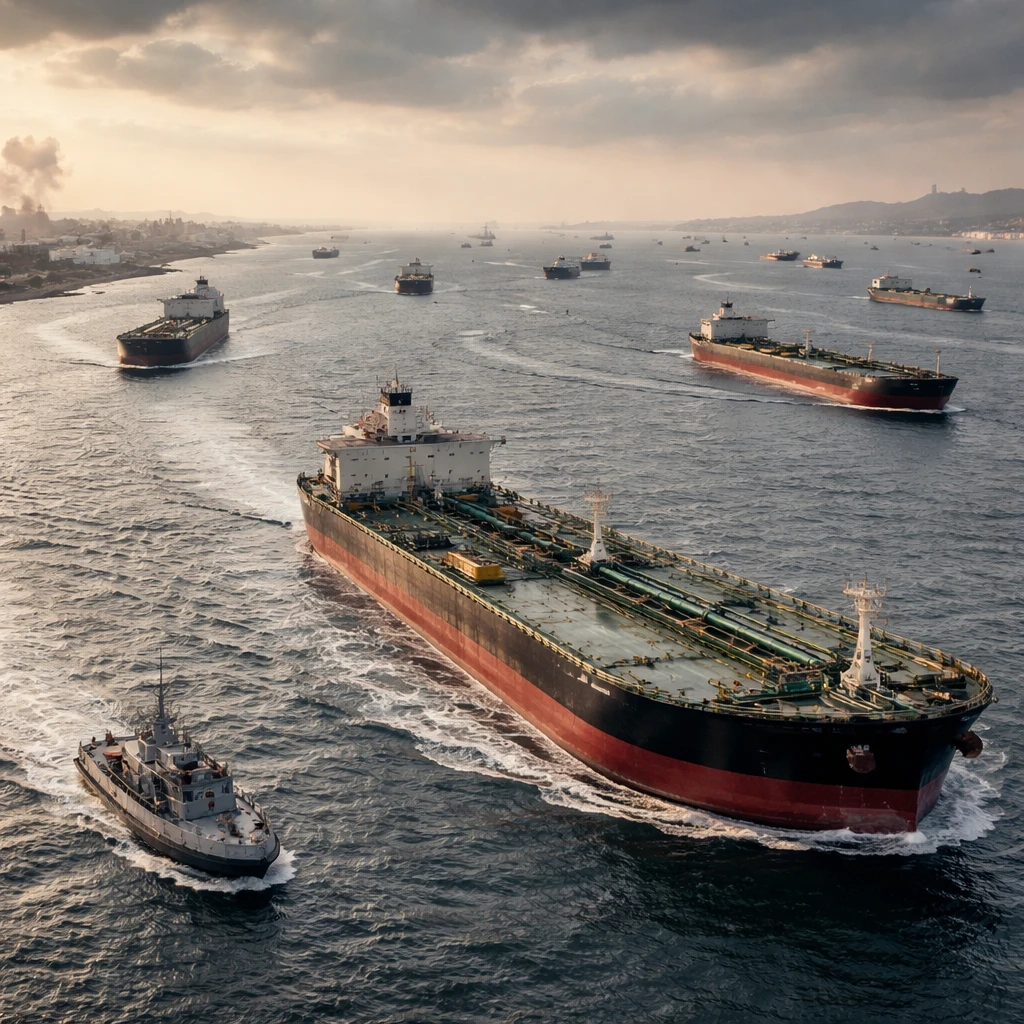
Concerns that the world could be running out of oil have re-emerged as fighting in the Middle East has interrupted shipments through the Strait of Hormuz, a vital corridor for global energy transport. A recent report from Goldman Sachs argues the situation reflects severe supply-chain stress rather than an immediate, universal shortage.
Asia bears the brunt
Goldman Sachs highlights that the most obvious effects so far have materialized in Asia. Many Asian economies rely heavily on fuel and refined-product imports from the Persian Gulf. The bank notes that several countries in the region obtain about half of their fuel from that corridor, while some - including South Korea and Singapore - depend on it for nearly three-quarters of their requirements.
Despite these dependencies, the report finds that outright scarcity has been limited up to now. Governments and private actors have mitigated disruption by switching to different suppliers, drawing down on stored inventories and instituting export restrictions to keep domestic markets supplied. These measures have prevented a broader collapse in supply, according to Goldman.
Signs of rising strain
Goldman cautions that the current buffer may not last. By late March the bank observed a sharp drop in Asia's net oil imports, a sign that shipments from the Gulf had slowed enough to create mounting pressure. The analysis emphasizes that the impact is uneven across fuel types.
In particular, petrochemical feedstocks such as naphtha and liquefied petroleum gas (LPG) are already experiencing acute tightness. Goldman attributes this to lower inventories and more complicated storage requirements for these products, which reduce the flexibility to reallocate supplies quickly. At the same time, diesel and jet fuel have seen a global price surge, a response reflecting both immediate supply constraints and precautionary stockpiling by market participants.
On-the-ground disruptions and policy responses
The report documents growing signs of stress beyond price movements. Several nations, including India and Thailand, have reported episodes of fuel rationing or other supply disruptions. In response, parts of Asia have introduced consumption-management measures aimed at smoothing shortages and limiting domestic fallout.
No declaration of structural crisis
While the situation is acute in some locales, Goldman stops short of labeling it a structural global supply crisis. Major economies that hold sizable strategic reserves - the bank cites China and Japan as examples - are better positioned to absorb shocks. Additionally, market participants retain some flexibility through rerouting trade flows and further inventory drawdowns, providing additional avenues to alleviate shortages.
Bottom line
Goldman Sachs' assessment is that the world is not running out of oil at this stage. Nevertheless, the bank warns that continued disruption in the Strait of Hormuz could drive more severe, localized shortages and sharper price spikes, particularly in regions most dependent on Gulf imports.
Note: The report's findings outline current conditions and potential near-term risks without projecting specific future outcomes beyond the evidence cited.