
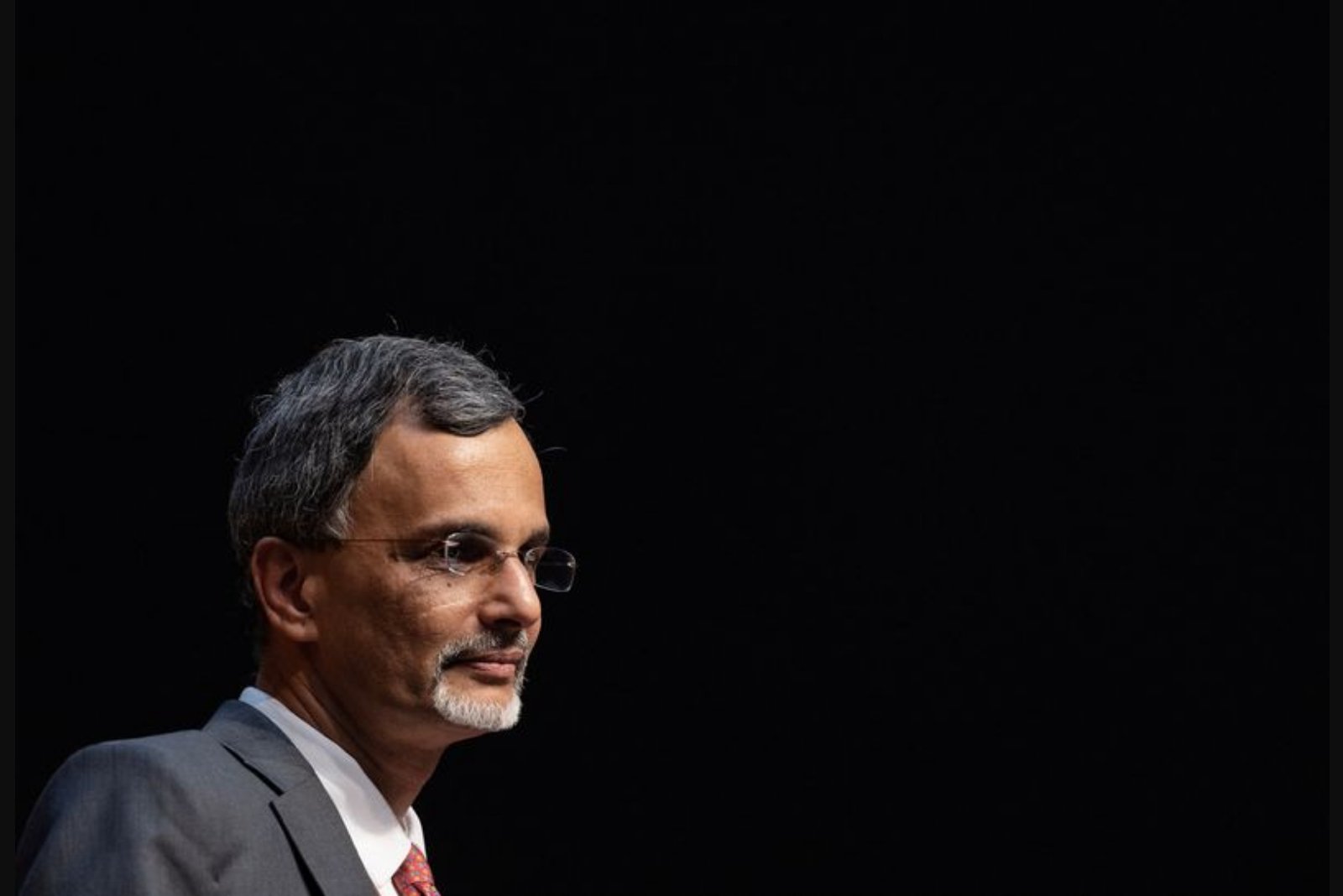
NEW DELHI, Jan 30 - India remains on track to record growth above 7% in the current fiscal year, but external pressures and prolonged market disturbances pose material downside risks to that outlook, the country’s chief economic adviser said ahead of the federal budget.
The finance ministry’s annual economic survey, presented in parliament on Thursday, put next fiscal year’s growth in a 6.8% to 7.2% range and lifted the economy’s medium-term potential to about 7% from a prior estimate of 6.5%. The report attributed the upward revision in part to ongoing reforms and expanded public investment.
Speaking in an interview, V. Anantha Nageswaran said the higher end of the growth projection was attainable provided global financial markets and political conditions do not deteriorate to the point that sentiment in financial markets and the business community is harmed. He said:
"If global financial markets and the political situation do not deteriorate to the extent that sentiment gets affected in financial markets and in the business community, then I think the upper end is well within reach."
At the same time, Nageswaran flagged that sizeable and sustained corrections in financial markets, or geopolitical events that interrupt the flow of commodities and disrupt global supply chains, could pull actual growth toward the lower end of the projected range.
Indian equity indices experienced their steepest monthly decline in nearly a year in January as uncertainty over the India-U.S. trade relationship prompted continued foreign selling. The rupee slid to a record low over the month, marking its worst monthly performance in more than three years.
On trade tensions, the chief economic adviser said a reduction in uncertainty would bolster investment. He argued that resolving tariff disputes with the United States would provide relief and increase both domestic and foreign firms’ willingness to commit capital on the ground, stating:
"[A resolution] would add to a sense of relief, and therefore willingness to commit more investments on the ground by Indian and foreign businesses."
The article referenced a late-August decision by U.S. authorities to impose a 50% tariff on some Indian exports to the United States.
Rising crude oil prices, driven by recent tensions in the Middle East, were cited as another external risk to monitor, though Nageswaran said it was too early to quantify the full economic impact.
Free trade agreements were presented in the economic survey as a partial buffer against external shocks by widening market access. The adviser noted that lower or zero duties under such agreements would be particularly beneficial for labour-intensive sectors. He observed:
"As and when they become operational, Indian businesses have a good shot at supplying these markets."
India has recently concluded negotiations for a trade agreement with the European Union, and has already signed pacts with the United Kingdom and Oman, according to the discussion in the survey and comments by the adviser.
Turning to domestic policy, Nageswaran said private sector investment depends more heavily on underlying demand conditions in the economy than on policy measures such as tax cuts. He added that early indicators pointed to a pickup in private investment activity.
With Finance Minister Nirmala Sitharaman scheduled to present the 2026-27 federal budget on Sunday, New Delhi is expected to focus on measures to sustain rapid economic expansion while building buffers against external shocks through policy reforms. When asked about specific budget priorities, Nageswaran declined to speculate publicly.