
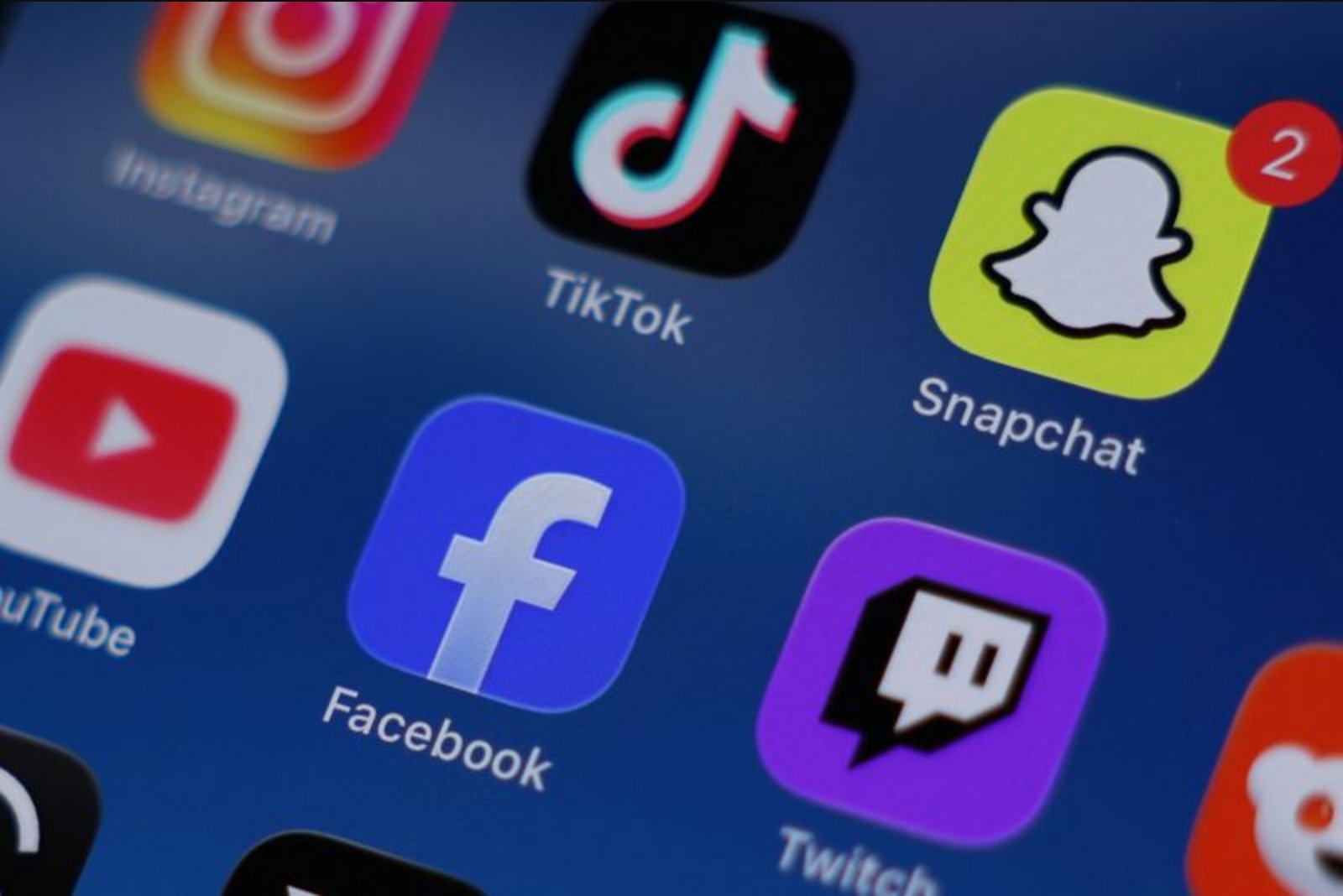
France’s National Assembly on Monday approved a bill that would prohibit children under 15 from using social media platforms and social networking functionalities embedded within larger services, reflecting mounting concern about online bullying and mental health risks for young people.
Lawmakers in the lower house voted 116 to 23 in favour of the legislation. The bill will now be considered by the Senate before returning for a final vote in the National Assembly.
The proposal would require platforms to prevent access by young teenagers through age-verification systems that comply with European Union law. Lawmakers acknowledged enforcement challenges, noting that verifying age online can be difficult in practice.
President Emmanuel Macron has pointed to social media as one factor to blame for violence among young people and has urged France to follow Australia, which implemented a world-first ban for under-16s on social media platforms including Facebook, Snapchat, TikTok and YouTube in December.
Macron is seeking to have the French ban in place by the start of the next academic year in September.
Parliamentary debate and political support
Presenting the bill, centrist lawmaker Laure Miller said the legislation would draw a clear boundary in society and asserted that social media was not harmless. She argued that children were reading and sleeping less and that social networks encouraged unhealthy social comparison.
"With this law, we are setting a clear boundary in society and saying social media is not harmless," Miller said. "Our children are reading less, sleeping less, and comparing themselves to one another more. This is a battle for free minds."
There is broad political and public backing in France for restricting minors' access to social platforms. Far-right lawmaker Thierry Perez described the bill as a response to a "health emergency," questioning the cost to children of the freedoms afforded by social media.
"Social media has allowed everyone to express themselves, but at what cost to our children?" Perez said.
Enforcement, international context and practical hurdles
The measure mirrors moves elsewhere. Australia’s ban for under-16s, which took effect in December and covers major social platforms named in the debate, is being observed by countries including Britain, Denmark, Spain and Greece. The European Parliament has urged the European Union to set minimum ages for social media access, while leaving member states the authority to impose their own age limits.
Australian officials have acknowledged that rolling out an age-based ban presents practical difficulties. The rollout experienced early problems when children claiming to be under 16 posted messages boasting that they could still access networks, underscoring the challenge of reliable age verification online.
In France, the proposed law would also broaden an existing prohibition on smartphones in junior and middle schools to include high schools.
Public reaction
Public opinion in France appears strongly supportive of restricting younger teenagers' access to social networks. A Harris Interactive survey in 2024 found that 73% of the public backed a ban for under-15s. On the streets of Paris, however, teenagers gave mixed reactions - some acknowledged the dangers of social media while others considered a ban to be excessive.
The bill’s passage through the National Assembly sets the next phase of the legislative process in motion, with the Senate review and any subsequent final vote in the lower house determining whether the measure becomes law in time for the proposed September start date.