
The French state has introduced a focused financial support measure for small businesses facing sharply higher energy costs driven by recent global petroleum price increases.
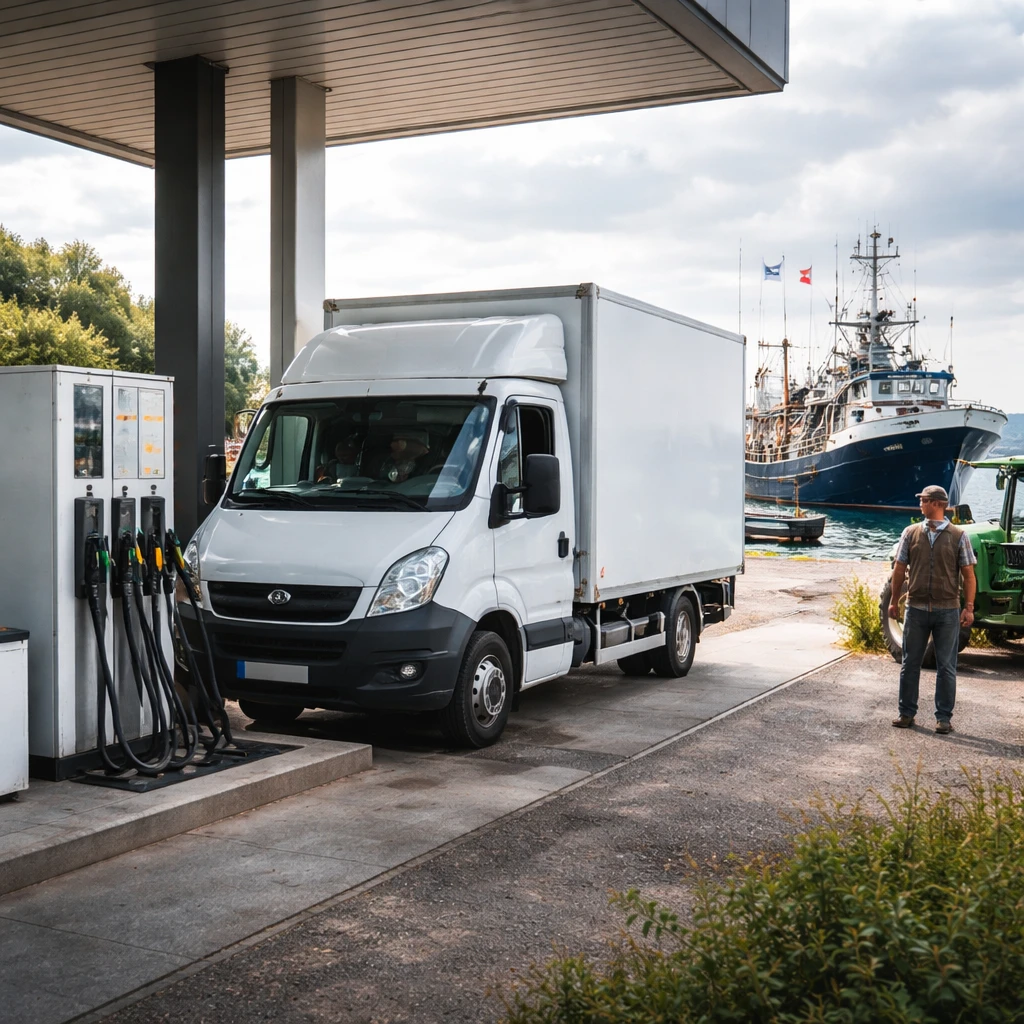
Late on Friday, the Finance Ministry confirmed a credit facility that will provide loans up to €50,000 to companies operating in the most fuel-intensive sectors, specifically naming transportation, fishing and agriculture. The loans will be issued via the state-run investment bank Bpifrance.
Program details
The scheme is available to firms that allocate at least 5% of their annual revenue to fuel expenses. Each loan will have a 36-month term and carry an interest rate of 3.8%. The government has specified that borrower guarantees will not be required. Applications are scheduled to open on April 13 and will be accepted through a dedicated online platform.
Policy rationale and fiscal trade-offs
Officials presented the package as a targeted alternative to the broad subsidies used during the 2022 energy crisis. The government said it intends to limit the scope of support to reduce the impact on the public finances, noting that previous wide-ranging measures had expanded France's budget deficit.
Alongside the new loans, limited subsidy measures for trucking firms and low-income households have already been implemented. The administration has resisted calls by opposition leaders, including Marine Le Pen, for sweeping cuts to gasoline and diesel taxes.
The Finance Ministry is said to be cautious about adding further strain to a fiscal balance that is under close scrutiny from Eurozone regulators.
Market and sector implications
The credit line is intended to provide immediate liquidity relief for transport and logistics companies, fishing operations and agricultural businesses that are particularly exposed to fuel-price volatility. The government framed the move as a way to blunt the short-term impact of what officials described as a ‘‘Hormuz risk premium’’ affecting pump prices across Europe.
Analysts at Citi Research are cited as warning that Eurozone domestic demand is more exposed than in previous years to shocks from terms of trade. The Finance Ministry and other observers acknowledged that, should the conflict in Iran continue, the loans may only offer temporary relief amid a potentially broader stagflationary pressure on French industrial output.
What businesses should know
- Eligibility requires spending at least 5% of revenue on fuel.
- Loan size is capped at €50,000, with a 36-month term and 3.8% interest.
- No borrower guarantees are required; application begins April 13 via an online portal.