
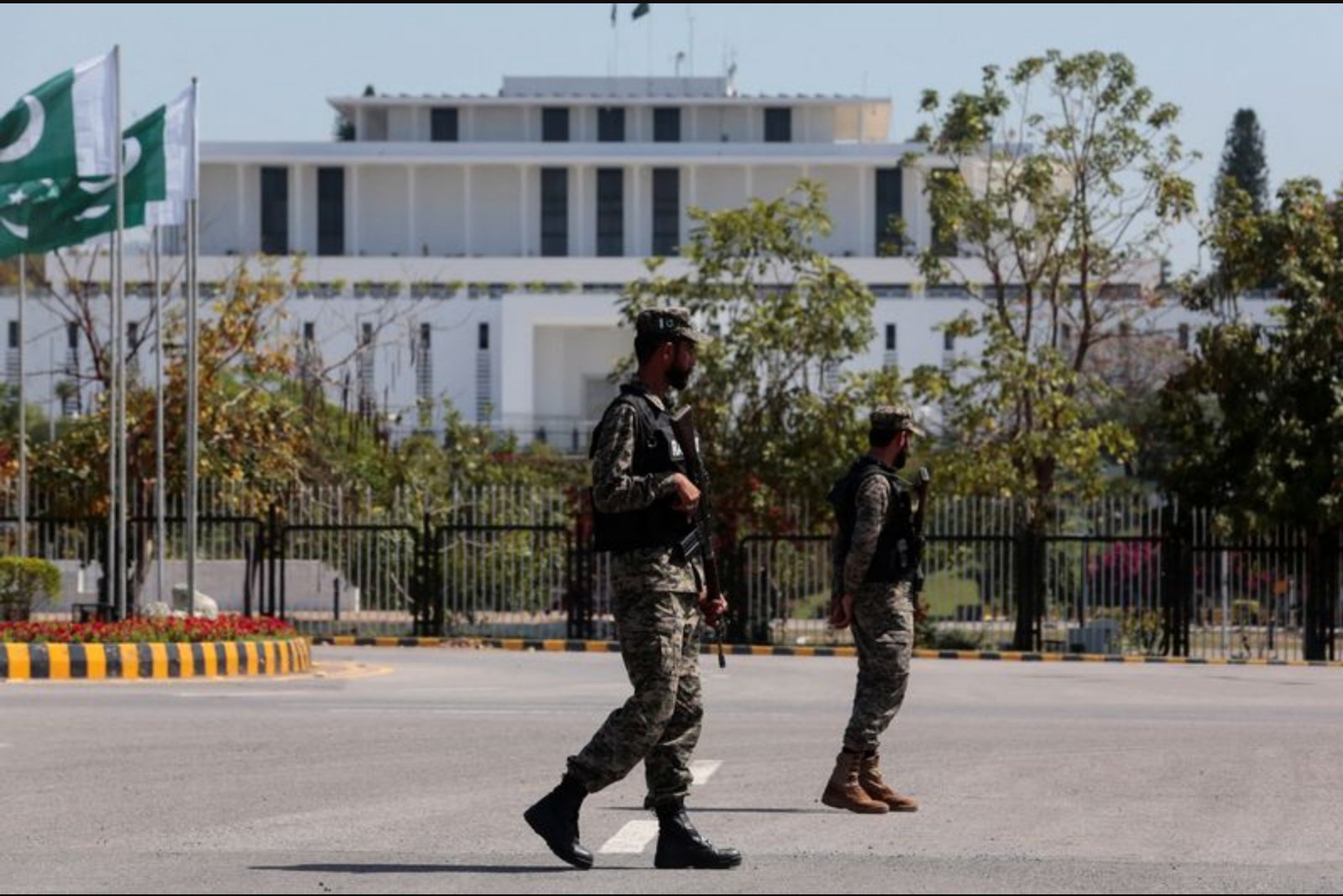
April 10 - International attention has turned back to the Iran conflict as diplomats meet in Islamabad for ceasefire talks that markets are treating as the principal near-term risk. The announcement of a ceasefire late on Tuesday pushed benchmark oil prices back below $100 a barrel and prompted a global equity rally. Yet market participants are acutely aware that the accord appears fragile because the parties remain divided on core issues, including whether any cessation of hostilities extends to Lebanon, where Israeli strikes continue.
The disruption to oil flows has been especially pronounced: Iran's near-total blockade of the Strait of Hormuz has so far produced the worst-ever disruption to global energy supplies, keeping physical crude prices at record highs even as benchmark futures have retreated from peak levels. That divergence highlights a deepening squeeze in real economies, where tangible energy costs are feeding through into households and businesses.
Against this backdrop of elevated geopolitical risk, finance ministers and central bankers from around the world will assemble in Washington for the spring meetings of the International Monetary Fund and the World Bank Group. The schedule includes the release of the IMF's World Economic Outlook and Global Financial Stability reports on Tuesday, followed by regional updates. Officials are preparing for a sombre agenda: the conflict is expected to weigh on global growth, boost food insecurity and push up borrowing costs, while higher energy prices add a renewed layer of inflationary pressure.
Delegations at the meetings will include representatives from the G7 and G20, with both finance ministers and central bank governors due to take part. Several developing countries, contending with successive shocks from the pandemic, Russia's invasion of Ukraine and broader trade disruptions, are anticipated to seek additional support from the IMF as the energy shock compounds fiscal and balance-of-payments strains.
Corporate reporting next week will provide the first substantive read on how businesses are weathering these pressures. U.S. banks head the calendar: Goldman Sachs is due to report on Monday, followed by JPMorgan, Wells Fargo and Citigroup on Tuesday. Market expectations are for stronger quarterly profits driven by robust interest income and elevated investment banking fees, but analysts and investors will be scrutinising results for signs of how higher energy-driven inflation and geopolitical uncertainty are affecting loan performance, capital markets activity and corporate confidence.
Beyond the banks, other major corporate results scheduled for the week include Netflix, Johnson & Johnson and PepsiCo in the United States, as well as global technology and manufacturing leaders such as Taiwan Semiconductor Manufacturing Company, and Europe-based firms ASML and LVMH. Aggregated S&P 500 earnings are estimated to have risen by more than 14 percent year-on-year, although the broader picture will be clouded by the potential ripple effects of the energy shock on input costs and consumer demand.
China will also take centre stage for markets when a set of key economic indicators is published on Thursday. Those figures will be the first full reading on how the world's second largest economy is adjusting to a slower growth path amid global turmoil. The median forecast in a LSEG poll of 11 analysts expects Beijing to report first quarter gross domestic product growth of 5 percent year-on-year. That would follow a slowdown to 4.5 percent growth in the final quarter of 2025, and comes after the government in March set a slightly lower growth target for 2026 as part of an effort to rebalance the economy while maintaining competitiveness vis-a-vis the United States.
Political developments in Europe will add another dimension of market sensitivity. Hungary goes to the polls after 16 years under Viktor Orban, and investors are preparing for an outcome that could see the long-serving prime minister removed from office. His tenure has coincided with three years of economic stagnation and the country's largest inflation shock since the 1990s, and recent revelations regarding his ties to Russia have further dented support. Opinion polls suggest that Orban, aged 62, may be defeated by Peter Magyar, a former ally who now positions himself as a conciliator with Brussels and promises to unlock billions in EU funding if elected.
Political strategists caution that the range of possible outcomes is broad - Orban could retain power or contest defeat - leaving markets braced for volatility around the result. Investors have already signalled their expectations: companies linked to Orban have seen sharp share price falls, while Hungary's currency and sovereign bonds have performed relatively well in recent months, suggesting a market tilt towards change. Meanwhile, an electoral contest in Peru is also underway, with a record 35 candidates on the ballot and a runoff in June widely anticipated.
Taken together, these diplomatic, economic and political events form a compact but consequential calendar for markets this week. The immediate focus remains on the durability of the Islamabad ceasefire discussions and whether they can translate into a meaningful easing of oil market tensions. At the same time, central bankers and finance ministers will be measuring the risks to growth and financial stability, corporate earnings will offer an early read on how companies are adjusting to cost pressures, and China’s data will show whether policymakers are succeeding in managing a softer growth trajectory. All of these threads will interact, shaping asset prices, borrowing costs and the economic outlook in the weeks ahead.
Key points
- Ceasefire talks between the U.S. and Iran in Islamabad are the primary near-term market risk, with oil prices and physical supply disruptions central to investor focus - sectors affected include energy and global commodities.
- Spring IMF and World Bank meetings in Washington, including the release of major IMF reports, will highlight the macroeconomic impact of the conflict and are likely to drive conversations about additional support for vulnerable emerging economies - sectors affected include sovereign debt and international finance.
- Major corporate earnings, led by U.S. banks and global blue-chip companies, and key Chinese GDP data will together provide early signals on corporate resilience and the pace of economic growth - sectors affected include financials, technology and consumer goods.
Risks and uncertainties
- The ceasefire agreement looks fragile, with disagreements over its geographic scope, including whether it covers Lebanon, and continued Israeli strikes - this keeps energy markets and commodity prices vulnerable.
- Iran’s near-total blockade of the Strait of Hormuz remains in place, sustaining record-level physical crude prices and heightening the risk of further supply shocks that would affect inflation and trade-sensitive sectors.
- The Hungarian election outcome is highly uncertain; a contested result or political turbulence could trigger volatility in regional assets and investor sentiment toward Europe.