
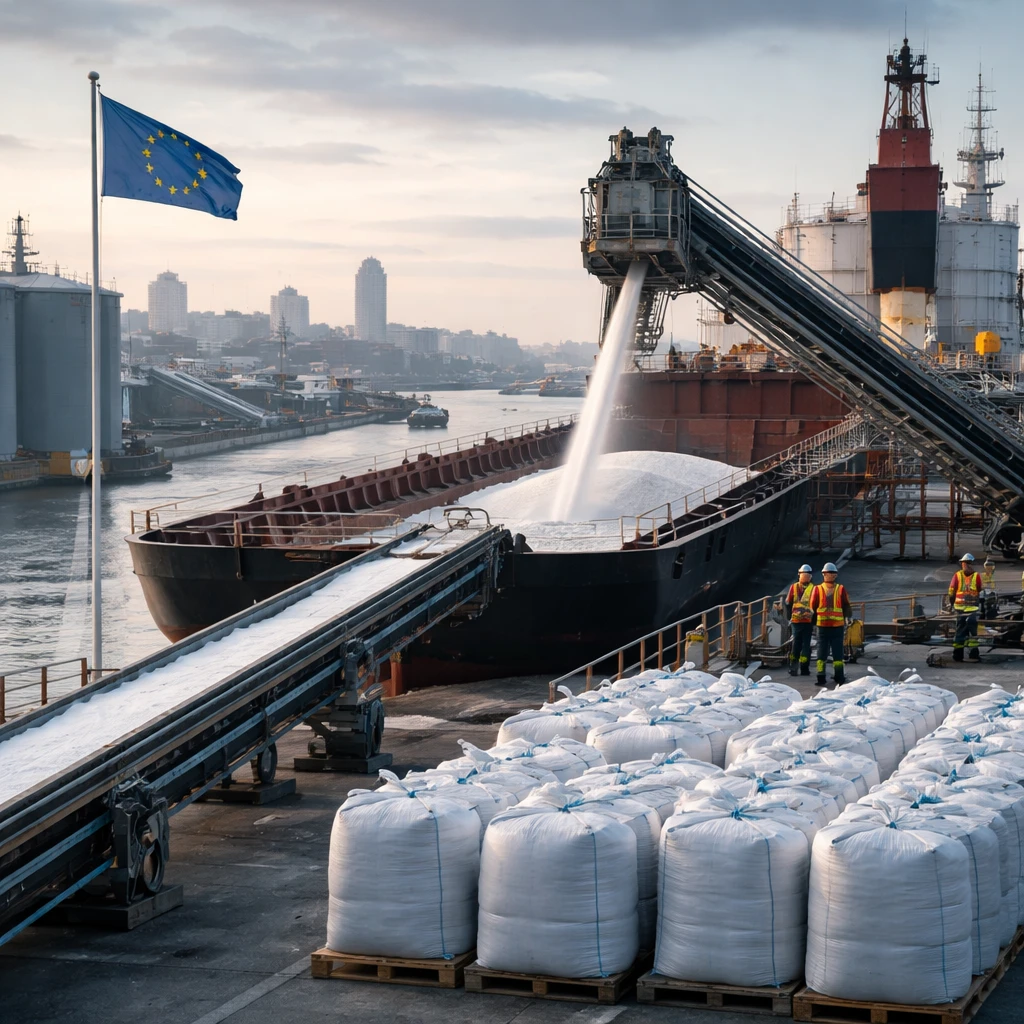
Brussels - The European Commission has put forward a proposal to temporarily suspend a program that currently allows companies to import sugar into the bloc without paying duties, a move intended to alleviate mounting pressure on European sugar producers facing lower prices and heightened competition.
European Commissioner for Agriculture and Food Christophe Hansen announced the measure on Monday on X, saying:
"I will propose a temporary suspension of the sugar inward processing regime to ease pressures on sugar producers."
The Inward Processing Regime, commonly referred to as the IPR, permits businesses to bring sugar into the European Union duty-free and without limits on quantities provided the imported sugar is refined or processed into food products and subsequently exported outside the EU.
Commission data for the 2024/25 marketing year indicate a material increase in imports under this program. Raw sugar imports recorded under the IPR reached 587,000 metric tons, a rise of 19% compared with the previous marketing year. Brazil was the source for 95% of those raw sugar shipments.
White sugar imports routed through the same regime totaled 155,000 tons in 2024/25, representing a 5% increase year-on-year. Of that volume, Brazil supplied 43%, with Morocco, Egypt, and Ukraine making up the following largest shares.
Producers of sugar beet within the EU have voiced concerns about what they describe as unfair competition from these imports. They have also flagged the potential implications of a trade agreement with the Mercosur bloc of South American countries, which would include a larger sugar quota and, in their view, could intensify competitive pressures.
Industry representatives argue that import volumes have contributed to a surplus in supply that pushed EU sugar prices down to levels not seen in at least three years. The Commission's proposed temporary suspension of the IPR is presented as a response intended to ease those pressures on domestic producers.
Next steps - The proposal will require consideration within EU policymaking channels before any suspension of the regime could take effect.