
Economy June 17, 2026 06:26 AM

Europe and Canada Raise NATO Force Commitments After U.S. Reduces Crisis Contributions

NATO chief Mark Rutte says allies have increased conventional capabilities following U.S. adjustments to pledged support

By Leila Farooq
Share
Twitter Reddit Facebook LinkedIn

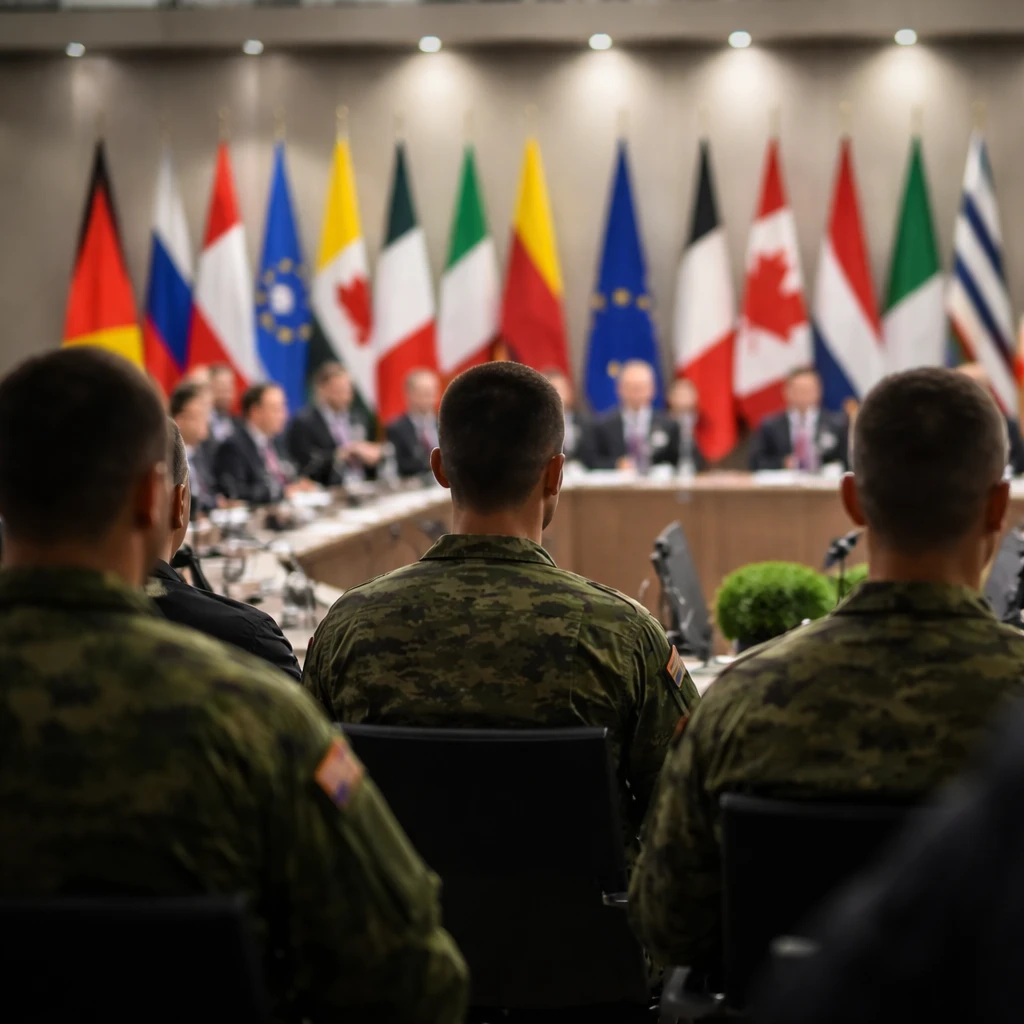
NATO Secretary General Mark Rutte reported that European member states and Canada have stepped up their military force contributions to the alliance after the United States signaled a reduction in its pledged capabilities for a crisis. Rutte said the move reflects growing European and Canadian responsibility for collective security while affirming U.S. commitment to NATO and the solidity of its nuclear deterrent.

Europe and Canada Raise NATO Force Commitments After U.S. Reduces Crisis Contributions
Summarize with
ChatGPT Perplexity Claude Grok Gemini

Key Points

  • European NATO members and Canada have increased their military force commitments following a U.S. reduction in pledged capabilities during a crisis.
  • NATO Secretary General Mark Rutte said the United States "has made clear that it is committed to NATO" and that America's "nuclear deterrent is solid," while urging Europe and Canada to bolster conventional forces.
  • The adjustment by the U.S. prompted questions about how and when European nations would address capability shortfalls, and Rutte said other allies have stepped up to contribute more.

European NATO members and Canada have increased their military commitments to the alliance in response to a reduction in U.S. pledged capabilities, NATO Secretary General Mark Rutte said on Wednesday. The change follows a U.S. notification to allies last month that it would lower the amount of American military capabilities it would make available to NATO during a crisis.

That announcement raised questions among allies about how and when European nations would fill the resulting capability gaps. Rutte described the response from Europe and Canada as a move toward greater responsibility for their own security within the alliance framework.

"We see European allies and Canada are more capable and take more responsibility for our security," Rutte said. "That includes shouldering more of what NATO might need to deter in peacetime and defend in crisis or conflict."

Rutte also addressed the United States' broader role in NATO, saying Washington "has made clear that it is committed to NATO" and asserting that America’s "nuclear deterrent is solid." At the same time, he stressed the importance of strengthened conventional forces from Europe and Canada.

"It is crucial that Europe and Canada do more on the conventional front," Rutte said.

According to Rutte, the U.S. decision to adjust its pledged contributions prompted other allies to increase their offerings. "U.S. has adjusted its pledged contributions, and other allies have stepped up to contribute more," he said. Rutte framed these developments as a shift in the distribution of responsibilities within NATO rather than a withdrawal of U.S. commitment to the alliance.

The remarks reflect a period of recalibration within NATO, with European nations and Canada taking on greater conventional roles while the United States continues to maintain its stated commitment and nuclear deterrent. The timing and scope of the increased European and Canadian contributions were not detailed beyond Rutte's comments.


Clear summary: After Washington informed NATO allies last month that it would cut back on the amount of American military capabilities pledged during a crisis, European members and Canada have stepped up conventional force commitments, NATO Secretary General Mark Rutte said. He affirmed U.S. commitment to the alliance and the strength of its nuclear deterrent while urging Europe and Canada to do more on conventional defense.

Risks

  • Shortfalls in pledged U.S. capabilities could leave gaps that require sustained increases in European and Canadian conventional forces - this may affect defense planning and procurement cycles.
  • Uncertainty about the timing and scale of European and Canadian contributions could complicate NATO operational readiness during a crisis.
  • Shifts in contribution responsibilities may put pressure on national defense budgets and procurement priorities in the affected countries.

More from Economy

EU President Opens Channels to Moscow Seeking Possible Peace Talks on Ukraine Jun 17, 2026 UAE set to exceed 5 million bpd in 2027 as output expands after OPEC exit Jun 17, 2026 IEA: Jet Fuel Shortage Fears Ease as Refineries Ramp Output and Exports Rise Jun 17, 2026 SandboxAQ Wins $500 Million CHIPS R&D Award to Build Domestic Supply of Critical Semiconductor Materials Jun 17, 2026 EIB President Says Brexit Has Set Back European Capital Markets Integration Jun 17, 2026