
Economy February 6, 2026 08:56 AM

ECB policymaker flags slowing growth and the risk of a prolonged inflation undershoot

Makhlouf points to a loss of momentum in the euro zone and underscores wage trends as central to inflation prospects

By Caleb Monroe
Share
Twitter Reddit Facebook LinkedIn

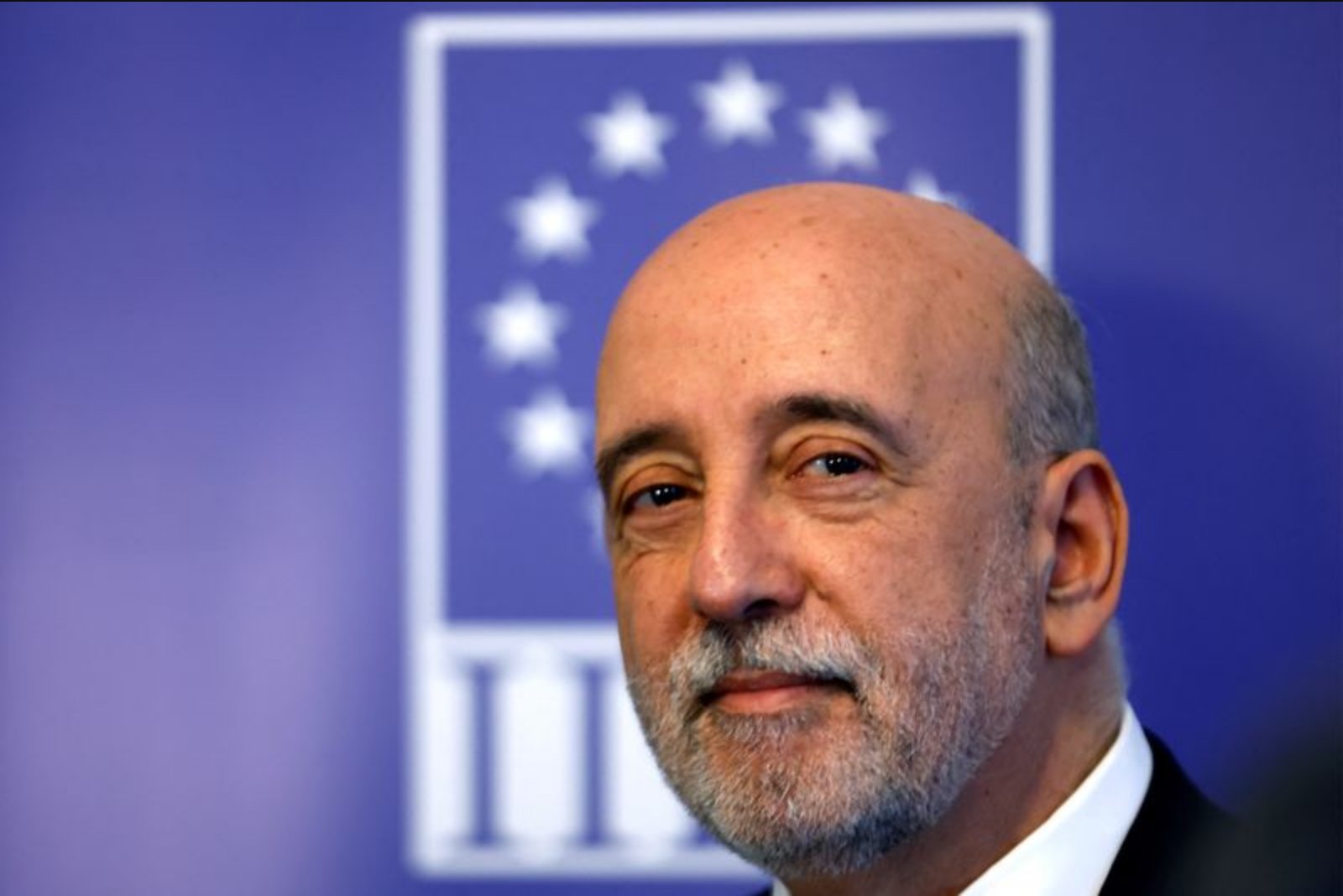
European Central Bank policymaker Gabriel Makhlouf identified two primary risks to the euro zone outlook: a slowing of economic growth and the possibility that inflation remains below the ECB’s 2% target in a more persistent way. He noted that long-term inflation expectations remain anchored at 2% but said wage growth trends will be watched closely, with surveys and forecasts indicating wages around 3% in 2026-2028 reducing the risk of a lasting undershoot.

ECB policymaker flags slowing growth and the risk of a prolonged inflation undershoot
Summarize with
ChatGPT Perplexity Claude Grok Gemini

Key Points

  • Makhlouf identified two main risks: a loss of momentum in euro zone growth and the possibility that inflation continues to undershoot the ECB’s 2% target.
  • Long-run inflation expectations are described as anchored at 2%, which currently does not point to a persistent undershoot dynamic.
  • Wage growth is a focal point; surveys and forecasts suggesting wages settle at about 3% in 2026-2028 would reduce the risk of a prolonged inflation undershoot.

DUBLIN, Feb 6 - Gabriel Makhlouf, a policymaker at the European Central Bank, highlighted two risks to the euro zone outlook: a potential loss of momentum in economic growth and the prospect that inflation could undershoot the ECB’s 2% target in a more entrenched fashion.

Writing on his blog on the Irish central bank’s website, Makhlouf said he was monitoring developments closely even as he noted that longer-run expectations for inflation remained aligned with the 2% objective. In his post he stated: "On the undershoot, long-run inflation expectations remain anchored at our 2% target. This does not currently suggest a persistent undershoot dynamic, but we continue to closely monitor developments here."

Makhlouf singled out wage growth as a particular item for scrutiny. He cited surveys and forecasts that point to wage growth settling at around 3% in 2026 to 2028, and said that such a trajectory would reduce the risk that inflation remains persistently below target.

The policymaker framed these observations as central to the ECB’s assessment of the outlook, signaling attention both to the speed of economic activity and to underlying price pressures. The commentary did not advance policy decisions or provide new numerical updates beyond the references to inflation expectations and the forecasted path for wages.

For observers, Makhlouf’s note places emphasis on two channels that can shape the inflation outlook: aggregate demand as reflected in growth momentum, and cost or income-side dynamics as reflected in wage developments. While long-run inflation expectations are described as anchored, the possibility of weaker growth or a more entrenched undershoot remains a concern that the ECB is tracking.


Contextual points

  • Makhlouf identified a slowing of euro zone economic growth and a potential persistent undershoot of the 2% inflation target as risks to the outlook.
  • He emphasized that long-run inflation expectations stay anchored at 2%, which he said does not currently indicate a persistent undershoot.
  • Wage growth was singled out for close attention; surveys and forecasts pointing to wage growth around 3% in 2026-2028 would mitigate the risk of a persistent undershoot, according to Makhlouf.

Risks

  • A slowdown in euro zone economic growth - this would affect sectors sensitive to demand such as consumer goods and services.
  • Inflation remaining persistently below the 2% target - this has implications for pricing power across businesses and for fixed income markets.
  • Uncertainty around wage growth trajectories - labor market and household income dynamics could influence consumer spending and inflation persistence.

More from Economy

BCA Research Disputes Kevin Warsh: AI May Be Inflationary, Not Disinflationary Jun 7, 2026 Deutsche Bank Identifies Sectors and Stocks Poised to Gain from 2026 World Cup Jun 7, 2026 SpaceX IPO Poised to Pressure a Tech-Led U.S. Rally as Inflation Data and Earnings Loom Jun 7, 2026 Deutsche Bank Sees Euro Area Growth Slowing Sharply in 2026 After Energy Shock Jun 7, 2026 Heat Pumps May Be a Quiet but Significant Driver of Power Demand in Europe Jun 7, 2026