
Economy April 11, 2026 04:26 AM

Djibouti’s President Secures Sixth Term with 97.8% of Vote, State Media Reports

Ismael Omar Guelleh extends 27-year rule amid opposition boycotts, allegations of repression and strategic military presence in the Horn of Africa

By Jordan Park
Djibouti’s President Secures Sixth Term with 97.8% of Vote, State Media Reports

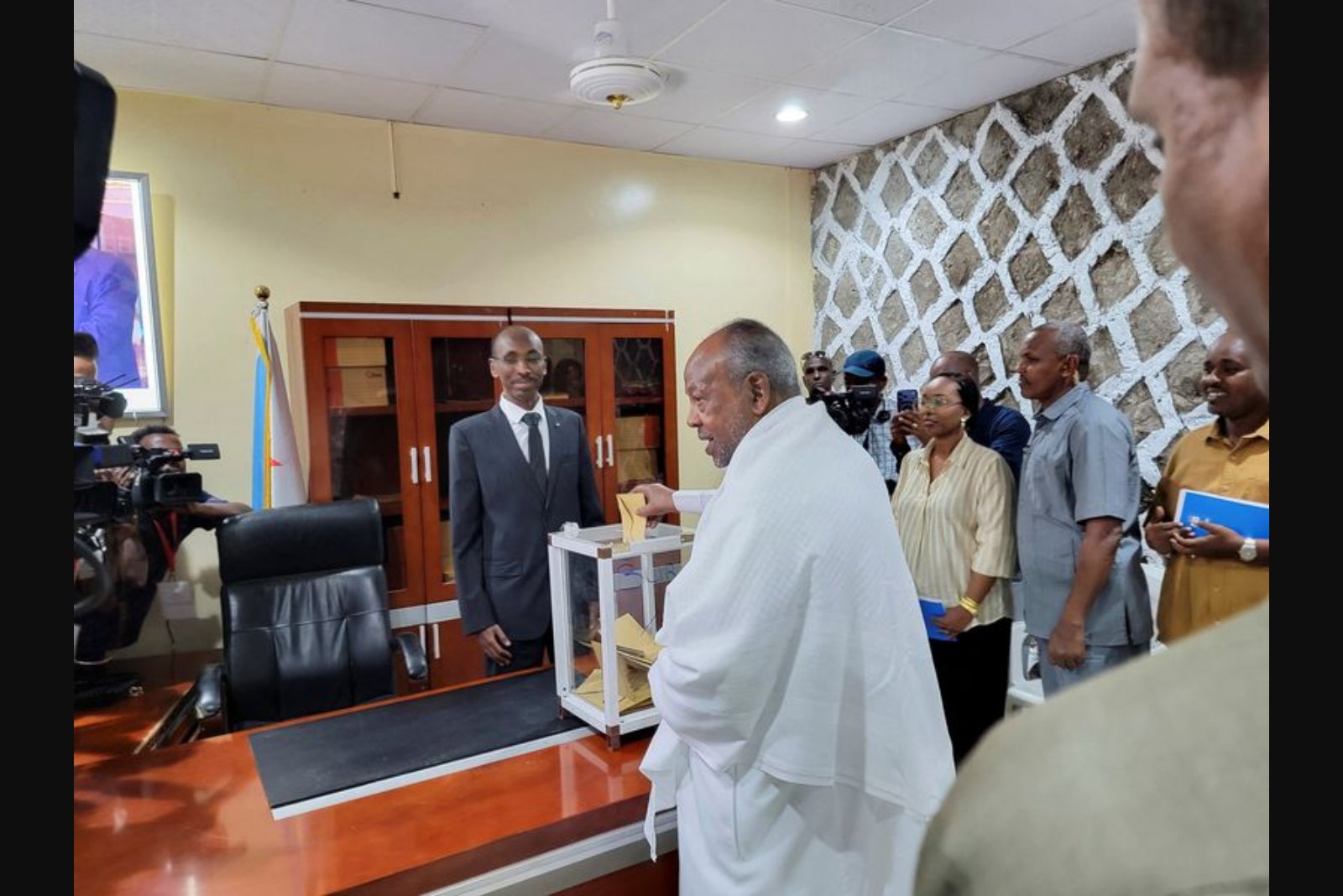
State-owned Radio Television Djibouti reported that President Ismael Omar Guelleh won re-election with 97.8% of ballots, delivering a sixth consecutive term that prolongs his 27-year leadership. The vote, marked by the absence of major opposition parties and a single minor challenger, follows parliamentary changes last October that removed an age cap for presidential candidates and eliminated a constitutional referendum requirement. Djibouti’s strategic port investments and foreign military bases underscore the country’s regional importance even as rights groups allege repression and the government rejects such claims.

Key Points

  • President Ismael Omar Guelleh won re-election with 97.8% of the vote, according to state-owned Radio Television Djibouti, securing a sixth term and extending a 27-year rule.
  • Major opposition groups largely boycotted the election, leaving Guelleh to face a single minor challenger; state media reported turnout of 80.4%. This political environment affects sectors tied to governance and investor confidence, particularly ports, logistics and security contractors.
  • Djibouti hosts foreign military bases and has invested heavily in port infrastructure to serve as the gateway for landlocked Ethiopia; recent arrivals of commercial ships damaged in Houthi attacks since 2023 highlight regional security implications for shipping and trade.

State-controlled Radio Television Djibouti said on Saturday that President Ismael Omar Guelleh won re-election with 97.8% of the vote, securing a sixth term and extending his hold on power to 27 years. Guelleh shared an image on X bearing the French word RÉÉLU, indicating he had been re-elected.

The nation, home to fewer than 1 million people, occupies a strategic position on the Gulf of Aden at the entrance to the Red Sea and hosts military bases from the United States, China, France, Italy and Japan. The port has also taken in several commercial vessels damaged in attacks by Yemen’s Houthi militants since 2023.

The victory of the 78-year-old leader, who was selected in 1999 to follow his uncle Hassan Gouled Aptidon and whose party retains dominant control of national institutions, was widely seen as certain. In October of the previous year, parliament voted to remove a 75-year age limit for presidential contenders and to eliminate the need for a referendum to approve a new constitution.


Opposition participation and turnout

On Friday’s ballot Guelleh faced a single opposition candidate, Mohamed Farah Samatar, representing a small party without seats in parliament. Two principal opposition parties have abstained from contests since 2016, accusing electoral authorities of failing to act impartially. State media reported voter turnout at 80.4%.

By way of comparison, in the 2021 contest Guelleh won with over 97% of the vote.


Stability, infrastructure and criticism

Djibouti has remained comparatively stable relative to several other countries in the Horn of Africa in recent years. The government has invested heavily in port infrastructure, positioning the country as the primary maritime gateway for landlocked Ethiopia.

At the same time, human rights organizations have accused Djiboutian authorities of repressing political opponents, activists and journalists. The government has denied claims of widespread abuses and dismissed criticism of the electoral process.

Security forces suppressed rare anti-government street protests in 2020 following the arrest of a former air force pilot who had publicly alleged corruption and clan-based discrimination.


This election prolongs the current administration’s control amid continued strategic importance of the country’s ports and military facilities, sustained opposition boycotts and international scrutiny over civil liberties and electoral integrity.

Risks

  • Allegations by human rights groups of repression toward political opponents, activists and journalists could weigh on political stability and deter foreign investment in infrastructure and logistics.
  • Continued boycott of elections by key opposition parties raises uncertainty over electoral legitimacy, which may affect international relations and confidence in governance among global partners and defense contractors.
  • Regional security threats, including commercial vessels damaged in attacks by Yemen’s Houthi militants since 2023, pose risks to shipping, port operations and insurers servicing maritime trade.

More from Economy

European airports warn of looming jet fuel crisis as Hormuz blockade tightens Apr 11, 2026 Questions Mount Over Iran’s New Supreme Leader After Reports of Severe Injuries Apr 11, 2026 AI and the Labor Market: Early Net Gains Mask a Risky Skills Mismatch Apr 11, 2026 Japan Adds 631.5 Billion Yen to Rapidus R&D Funding as Tokyo Pushes for Local Chip Production Apr 11, 2026 Vance Heads Crucial Islamabad Talks to Secure Reopening of Strait of Hormuz Apr 11, 2026