
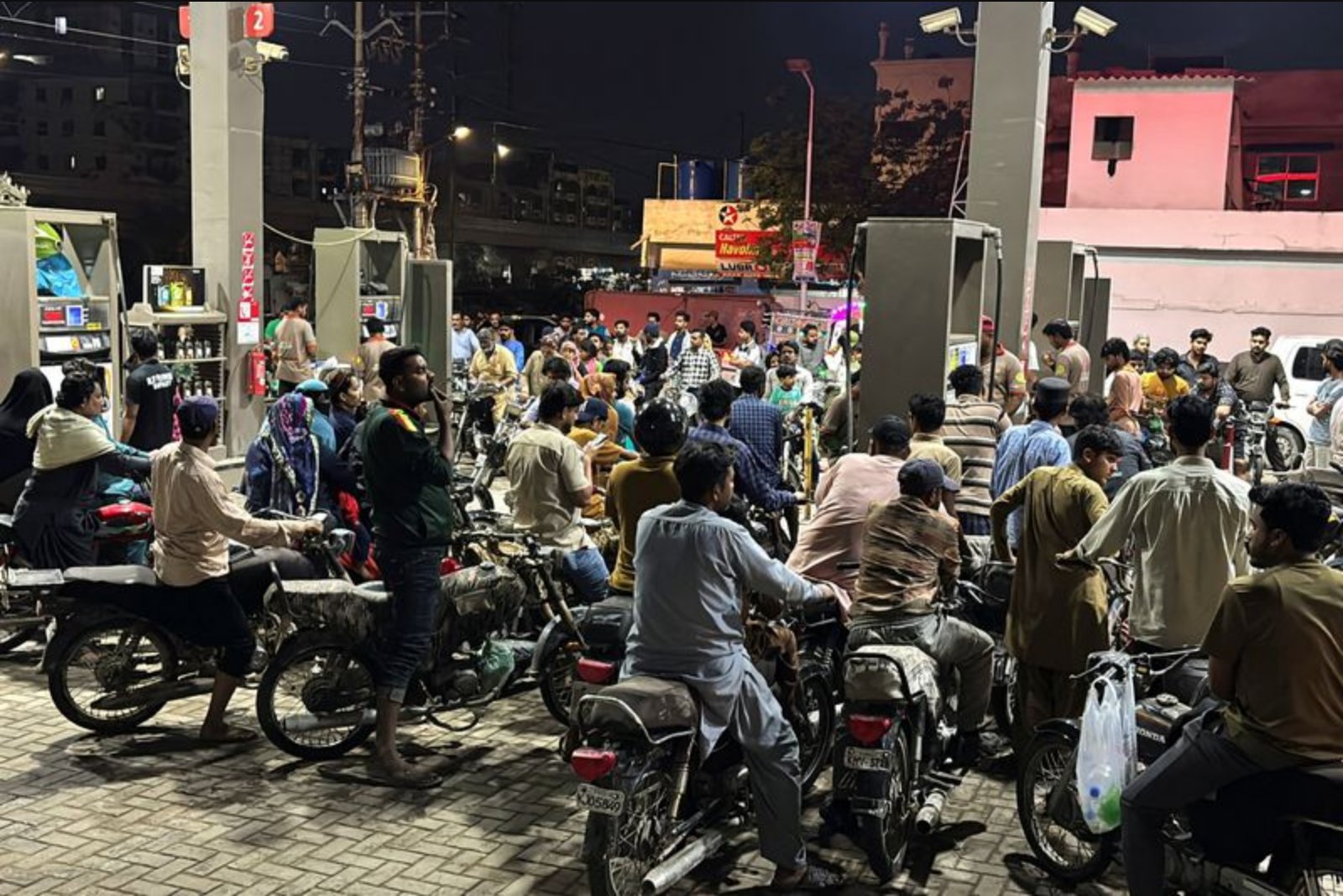
Sri Lankan tour operator Sanoj Weeratunge had hoped that the string of shocks of the past six years was finally behind his business. Instead, a war more than 2,700 miles away has driven fuel costs up and led his government to raise pump prices by 35%, causing his company's activity to fall by almost a third.
"We have had a very difficult road over the past six years to recover and were very hopeful that this would finally be the year where we reach pre-COVID levels," Weeratunge said from his Colombo office. "But now this economic shock will affect us."
Sri Lanka, Egypt and Pakistan - nations already marked by recent economic turmoil - are being forced to confront a fresh round of pressure as energy import bills swell in response to the fighting in the Gulf. Even with a fragile ceasefire in place, officials in Colombo have reintroduced fuel subsidies and sought temporary easing of International Monetary Fund bailout terms to create some breathing space.
International lenders are preparing to address the fallout. IMF chief Kristalina Georgieva told officials that the fund stands ready to consider emergency assistance and anticipates the need for between $20 billion and $50 billion of support tied to the crisis.
Former Pakistan central bank governor Reza Baqir, who advises governments dealing with debt stress, said the conflict has hit vulnerable countries on multiple fronts. He pointed to a roughly 40% surge in oil prices that is lifting import bills just as remittances from workers in the Gulf are likely to fall and broader economic activity faces additional strain.
That combination - larger current account deficits and weakening currencies - increases the cost of dollar-denominated imports such as oil, food and fertiliser, as well as external debt payments. Egypt's pound, for example, has fallen by more than 10% since the war began, heightening the burden of obligations denominated in foreign currency. The result, Baqir noted, is that countries will need to draw on foreign currency reserves, take on new borrowing or cut other imports to cover essential payments.
"What is needed," Baqir said, "is a credible statement from institutions like the IMF and others that they are ready to backstop these countries. And I think the sooner, the better."
Pakistan's balance sheet illustrates how thin the margin for error has become. Gross foreign exchange reserves were $16.4 billion at the end of March, a level the government itself acknowledges is insufficient to cover three months of basic imports. JPMorgan has estimated that once the central bank's foreign currency liabilities are taken into account, the effective reserve position is actually negative.
The government in Islamabad has already raised petrol prices for the second time and implemented an array of belt-tightening measures: schools were shuttered for half of March, government departments adopted a four-day work week and were forbidden from buying new furniture or air conditioners. An additional concern is a looming $3.5 billion repayment to the United Arab Emirates which, if it cannot be rolled over, would further strain Pakistan's finances given an existing $7 billion IMF programme, former fund official Jeff Franks said.
"I’m sure for Pakistan and Egypt, if they get to meet with the managing director or other top IMF officials next week, they will be stressing just how bad this shock is for stability," Franks said.
Rising prices are making life harder for ordinary people across the region. In Karachi, food delivery driver Maviq Hussain described the tightening pressure on household budgets: "Everything has become expensive. It’s difficult to manage daily expenses."
Egypt confronts its own distinct set of vulnerabilities. Tourism, which generated $19 billion last year, is exposed to the risks posed by the conflict and to potential disruptions around the Suez Canal. The country also entered the shock with a heavy debt load that had been expected to consume about 60% of government revenues this year. Nearly $30 billion of debt payments are due, an amount that exceeds half of Egypt's foreign-exchange reserves.
Moody's has noted that roughly $8 billion in foreign investor capital has exited Egypt since the war began. While the IMF commended Cairo for allowing its currency to act as a shock absorber, the doubling of Egypt's energy import bill has made the country a likely candidate for urgent discussions with international lenders.
Policy makers and analysts warn that rigidity in conditions attached to assistance would be counterproductive. "It is in no one’s interest to be rigid in the conditionality and allow these countries to fail," Franks said, arguing for flexibility as officials consider emergency measures.
On Sri Lanka's streets, the strain is visible in the lives of workers who must stretch shrinking incomes. Kelum Dissanayaka, a 37-year-old father of three who works as a ride-hailing and delivery app driver, said that rising costs and fuel rationing have forced him to skip tuk-tuk leasing payments for two months running. "It’s very difficult to live," he said.
For countries already coping with fragile public finances, the sudden rise in energy costs and attendant second-round effects - from weaker remittances to capital flight - pose acute challenges. Officials are seeking temporary relief from multilateral lenders and adjusting domestic policies to shield households and core services. How quickly and effectively international institutions respond may determine whether these economies can avoid a deeper slide.