
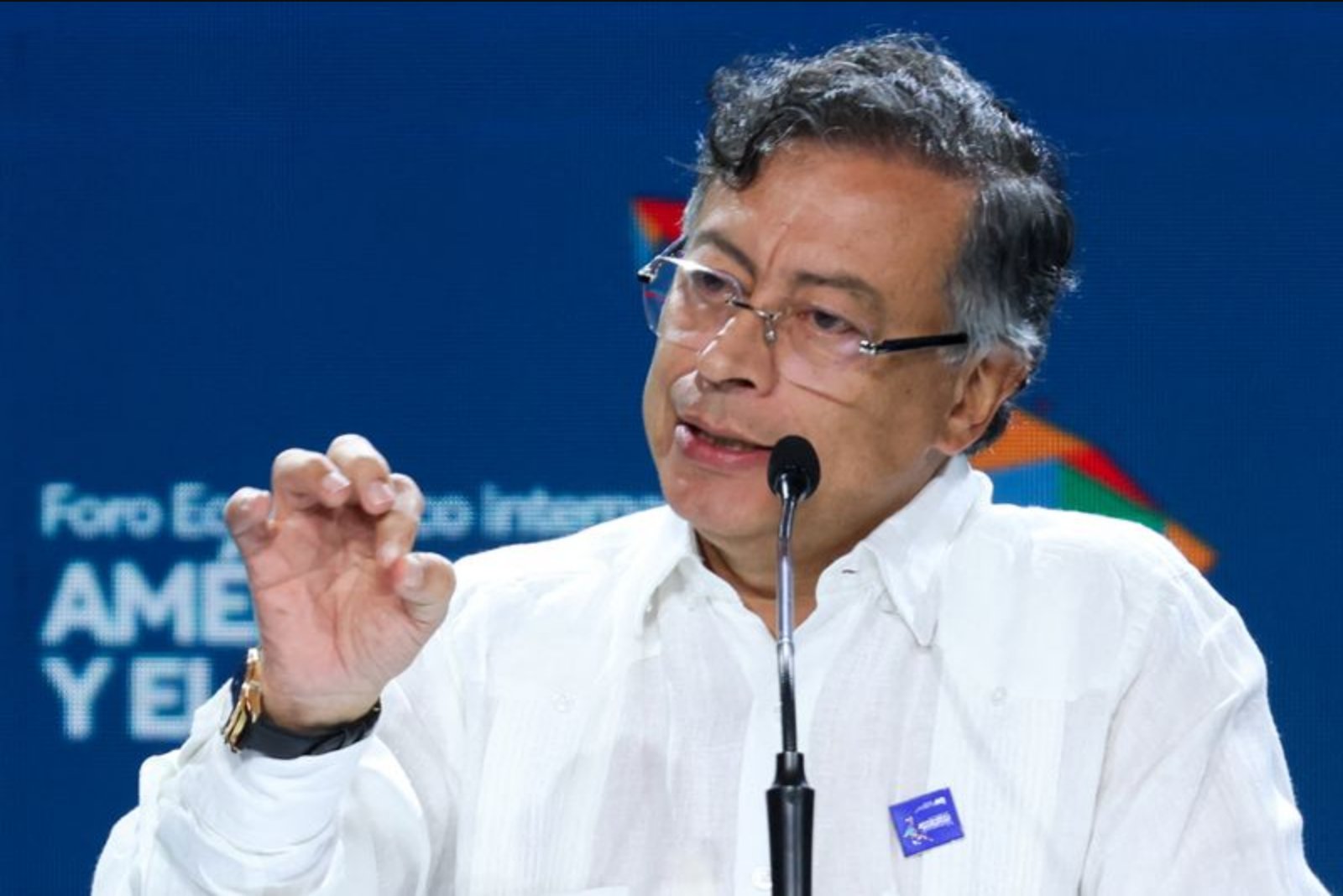
BOGOTA, Jan 29 - Colombia's Constitutional Court on Thursday ordered a temporary suspension of an economic emergency decree issued by President Gustavo Petro's government, instructing authorities to halt the measures while the court prepares a final decision.
The decree, which the administration activated in December, had been introduced after a tax reform bill failed to secure passage in Congress. The bill had sought to raise 16.3 trillion pesos ($4.45 billion), and the later emergency declaration gave the executive branch the authority to act by decree without congressional approval.
Under the emergency framework, the government moved to implement higher taxes intended to raise 11 trillion pesos ($3 billion) to help finance part of the 2026 budget. The court's order prevents further implementation of those measures until the judiciary reaches its conclusive determination.
The move adds another episode to ongoing fiscal pressure in Colombia. In June, authorities revised the 2025 fiscal deficit target upward to 7.1% of GDP from an earlier 5.1% target, a change that contributed to sovereign rating downgrades by ratings agencies.
President Petro had warned previously that suspending the economic emergency would increase the cost of the country's debt. Interior Minister Armando Benedetti publicly criticized the court's temporary halt, posting on X: "It's not right. By temporarily suspending the economic emergency, the mega-rich are being protected."
The court's interim action leaves open the possibility that the executive could regain authority to execute parts of the decree if the judiciary eventually rules in favor of the government. For now, the administration must refrain from proceeding with the measures that were designed to supplement fiscal resources for next year's budget.
The exchange rate used in reporting the peso figures is $1 = 3,665.97 Colombian pesos.
Context and next steps
The suspension is procedural and temporary, pending the court's final judgment. The ruling affects the administration's ability to implement immediate tax increases and other actions it considered necessary to plug budget gaps after the legislative defeat of the tax reform.
How the court ultimately rules will determine whether the government can resume the measures that were projected to raise part of the funds earmarked for the 2026 budget. Until that determination, the government faces constrained options for executing the components of the emergency decree.