
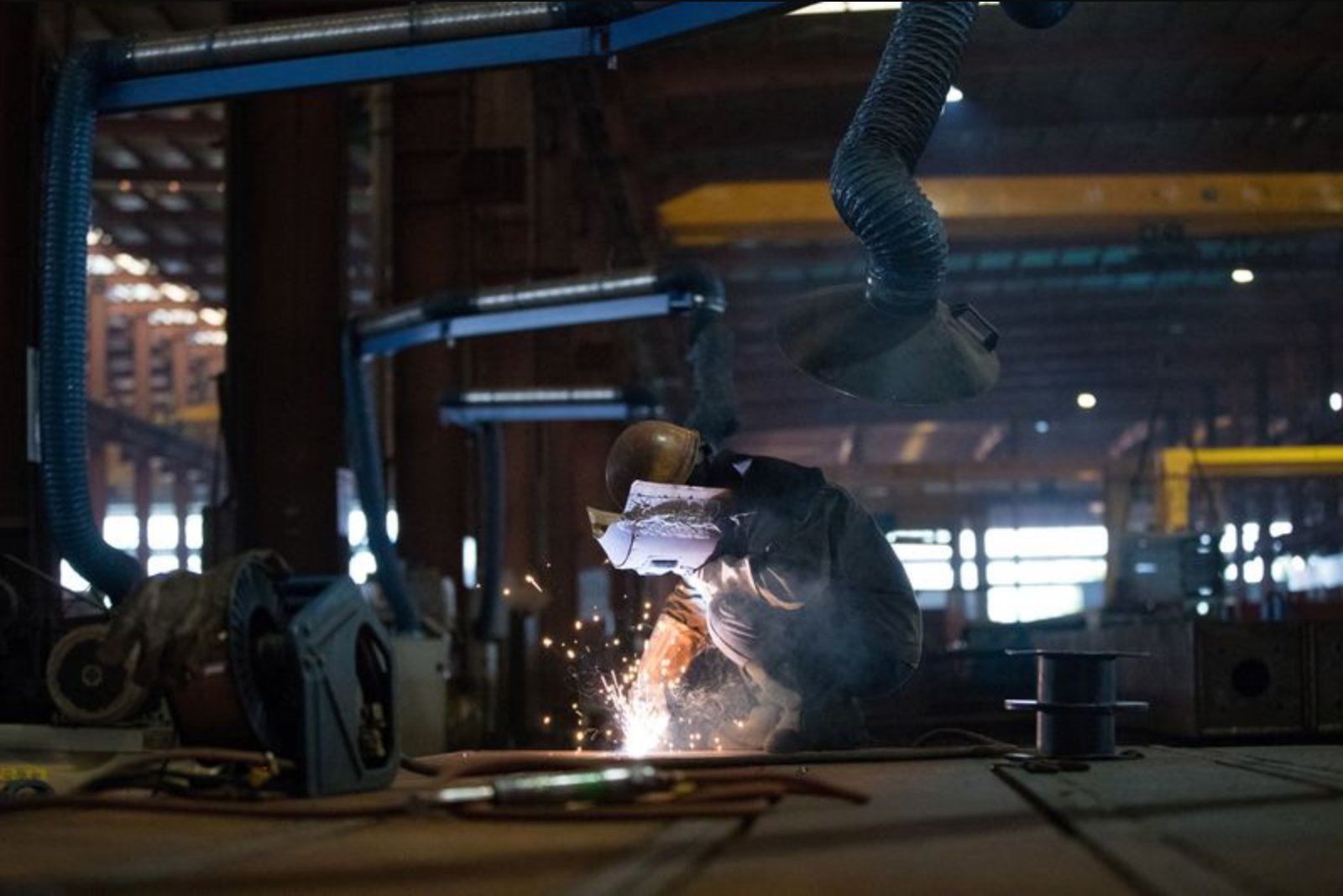
SHENZHEN, China, Jan 31 - China's factory activity weakened at the outset of the year as domestic demand softened and pulled down production, according to an official survey released on Saturday. The official manufacturing purchasing managers' index (PMI) fell to 49.3 in January from 50.1 in December, placing the headline measure below the 50 threshold that divides expansion from contraction. The reading also missed a Reuters poll forecast of 50.0.
Sub-components of the manufacturing PMI recorded further softness. The new orders sub-index slipped to 49.2 from 50.8 in December, while new export orders declined to 47.8 from 49.0 in December. Those declines point to weaker underlying demand both domestically and abroad within the reporting period.
Services and construction also eased. The non-manufacturing PMI - which covers activities outside of manufacturing including services and construction - fell to 49.4 from 50.2 in December, marking its lowest level since December 2022.
Commenting on the figures, Huo Lihui, a statistician with the National Bureau of Statistics, said in a note that some types of manufacturers traditionally enter a slow period in January and market demand remains weak.
The wider economy hit the government's official growth target of 5% last year, a result the authorities attributed in part to resilient exports. Yet the headline growth outcome masked persistent imbalances. Retail sales weakened further in the final quarter, contributing to fourth-quarter gross domestic product growth that slid to a three-year low.
Signs of concern are growing among policymakers as domestic demand continues to lag. In response, the government front-loaded 62.5 billion yuan ($8.99 billion) from ultra-long special treasury bond funds to support a consumer subsidy program aimed at encouraging replacements of products ranging from home appliances to smartphones.
Monetary policy has also featured targeted steps. Earlier this month, the central bank announced cuts to sector-specific interest rates and signalled it has room this year to further reduce banks' cash reserve requirements and to deliver broader rate cuts. Those moves aim to ease financing costs selectively and give space for broader monetary easing if warranted.
At the same time, authorities are shifting some emphasis from goods consumption toward boosting services demand, in part to help absorb output from the manufacturing sector as household spending on goods falters.
Nonetheless, analysts expressed scepticism about how much these measures will succeed in stabilising growth. "Beijing will have to do much more in coming months to deliver an annual GDP growth rate above 4.5% in 2026. As Beijing runs out of easily implemented policy tools, policymakers may need more time to prepare more comprehensive measures," Ting Lu, Chief China Economist at Nomura said in a note.
Policy priorities remain focused on lifting domestic demand and strengthening technological self-reliance. Beijing has vowed to make boosting domestic demand its top priority this year while sharpening its focus on achieving tech self-reliance to reduce vulnerability to foreign trade blockades and protectionist measures. At a recent seminar attended by senior government officials, President Xi Jinping called for "developing advanced manufacturing vigorously" and pledged to "make domestic demand the main driving force of economic growth."
Reports indicate China is likely to set this year's official growth target between 4.5% and 5% as policymakers take a cautious approach to additional stimulus amid concerns about financial-market instability.
Market watchers are also tracking an alternative private-sector reading. Analysts polled forecast the private sector RatingDog PMI to register 50.3 in its upcoming release, up from 50.1 a month earlier. That data was scheduled for release on February 2.
Exchange-rate information attached to the release showed $1 = 6.9489 yuan.
Implications for sectors and markets
- Manufacturing: The decline in the official PMI and its new orders components points to softer production and order intake, which can pressure factory output and related industrial suppliers.
- Services and construction: The fall in the non-manufacturing PMI suggests a cooling in activity that includes services and construction, potentially weighing on companies reliant on domestic consumption and infrastructure projects.
- Financial markets and policy-sensitive sectors: Targeted monetary easing and front-loaded fiscal support may influence borrowing costs, asset prices and sectors tied to consumer durables and technology.