
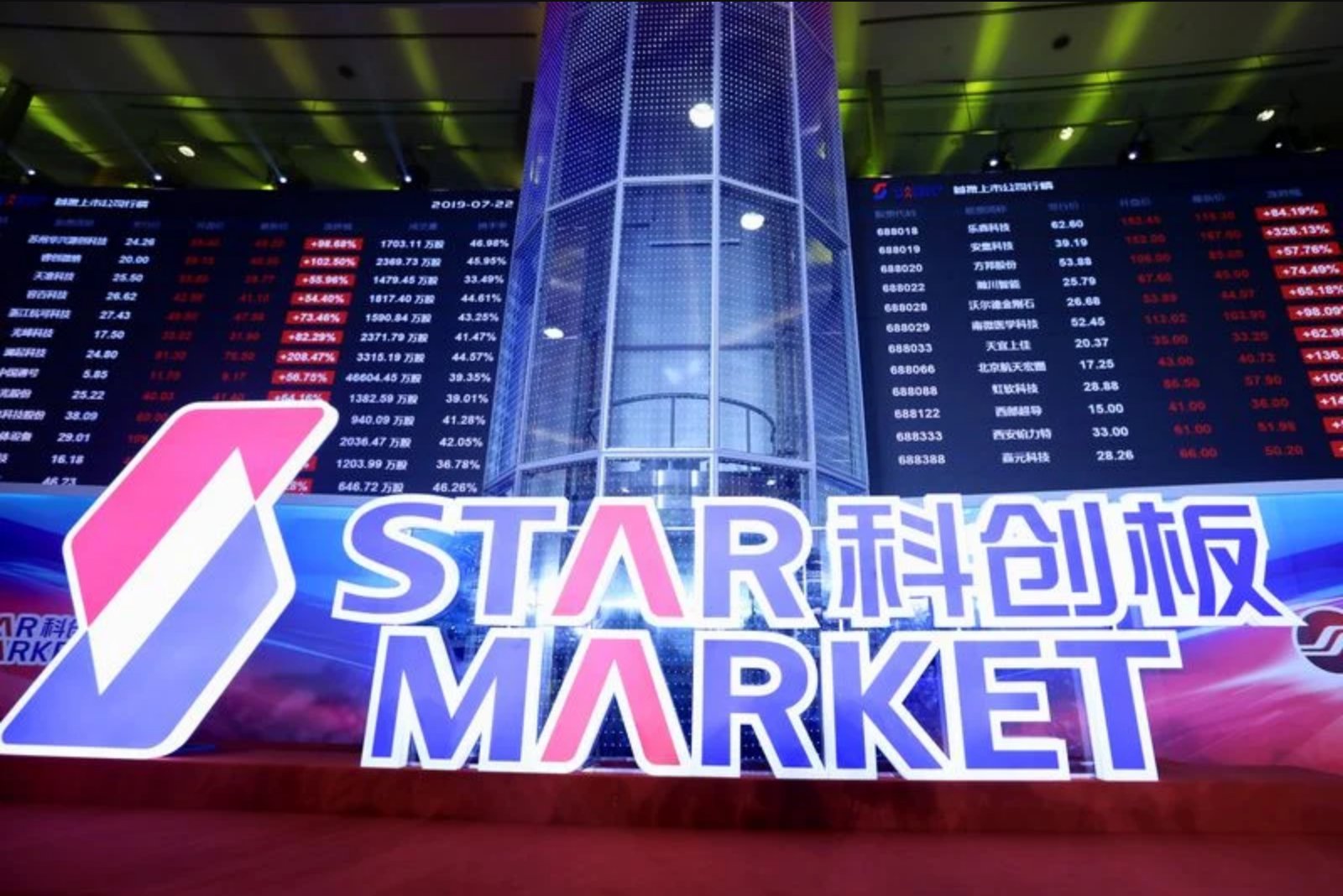
Chinese regulators and the Shanghai Stock Exchange on Wednesday introduced new measures intended to mobilize capital for technology innovation, focusing on early-stage firms in a roster of so-called "future industries" and on large-model artificial intelligence companies seeking public listings.
The announcements follow a pledge from the China Securities Regulatory Commission to "actively embrace" a new phase of technological revolution and industrial upgrading. At a forum in Shanghai, CSRC chairman Wu Qing said that "a new wave of technological revolution, led by AI, is being integrated into production and daily life at an unprecedented pace." He added that major capital markets globally are reforming to better serve innovation and to secure leading positions.
As part of the push, the Shanghai Stock Exchange said supporting listings by firms in emerging and future industries identified in China’s upcoming five-year economic plan is a "major task." The list of targeted fields cited by regulators includes quantum technology, nuclear fusion, brain-computer interfaces, hydrogen energy, biomedical engineering and robotics.
The bourse also published rules aimed at facilitating public share sales by large-model AI companies on the STAR Market. The new provisions, effective immediately, explain how firms that develop AI large models can qualify under the STAR Market's fifth listing standard. That framework is tailored to companies that possess strategic technology but have not yet achieved profitability, enabling firms with intensive, long-term research needs to access public capital.
Regulators emphasized the need to direct more long-term, "patient" capital into equity investments to sustain technology development. The CSRC said it will guide such capital toward innovative enterprises to support lengthy R&D cycles that are characteristic of advanced technology projects.
The moves come as Wall Street hosts large initial public offerings from companies including SpaceX, OpenAI and Anthropic. China’s initiatives are presented in the context of an intensifying strategic rivalry with the United States, with Beijing prioritizing efforts to channel domestic investment into strategic sectors.
Regulatory work to lower barriers to capital markets for innovative technology firms has been underway. The CSRC has already pursued reforms to make it easier for AI chipmakers and rocket developers to list domestically. Several homegrown companies are preparing to float on Chinese exchanges, with examples cited that include memory-chip manufacturer ChangXin Memory Technologies and robotics maker Unitree Robotics.
Officials framed the rules for STAR Market listings as one element in a broader strategy to strengthen China’s domestic innovation ecosystem by improving access to equity financing for companies that require extended periods of capital support before reaching profitability.
Key points
- Regulators and the Shanghai Stock Exchange have issued measures to support IPOs for startups in designated "future industries" and for large-model AI firms on the STAR Market.
- Targeted sectors named by officials include quantum technology, nuclear fusion, brain-computer interfaces, hydrogen energy, biomedical engineering and robotics - areas identified in China’s next five-year plan.
- The new rules clarify use of the STAR Market's fifth listing standard for strategic technology companies that are not yet profitable, and officials said they will promote long-term, patient equity capital to back sustained R&D.
Risks and uncertainties
- It is uncertain whether the policy measures and market reforms will successfully attract sufficient long-term or "patient" capital needed to fund the extended R&D timelines of large-model AI and other advanced-technology firms - affecting the AI, biotech, robotics and semiconductor sectors.
- Heightened Sino-U.S. competition frames the policy push but also creates an uncertain external backdrop for firms and investors deciding between domestic and overseas capital markets, which could influence listings and capital flows in the technology and capital-markets sectors.
- Large-model companies are described as badly needing capital market support to underwrite long-term, intensive research and development; the adequacy and timing of that support remain open questions for investors and the companies themselves.