
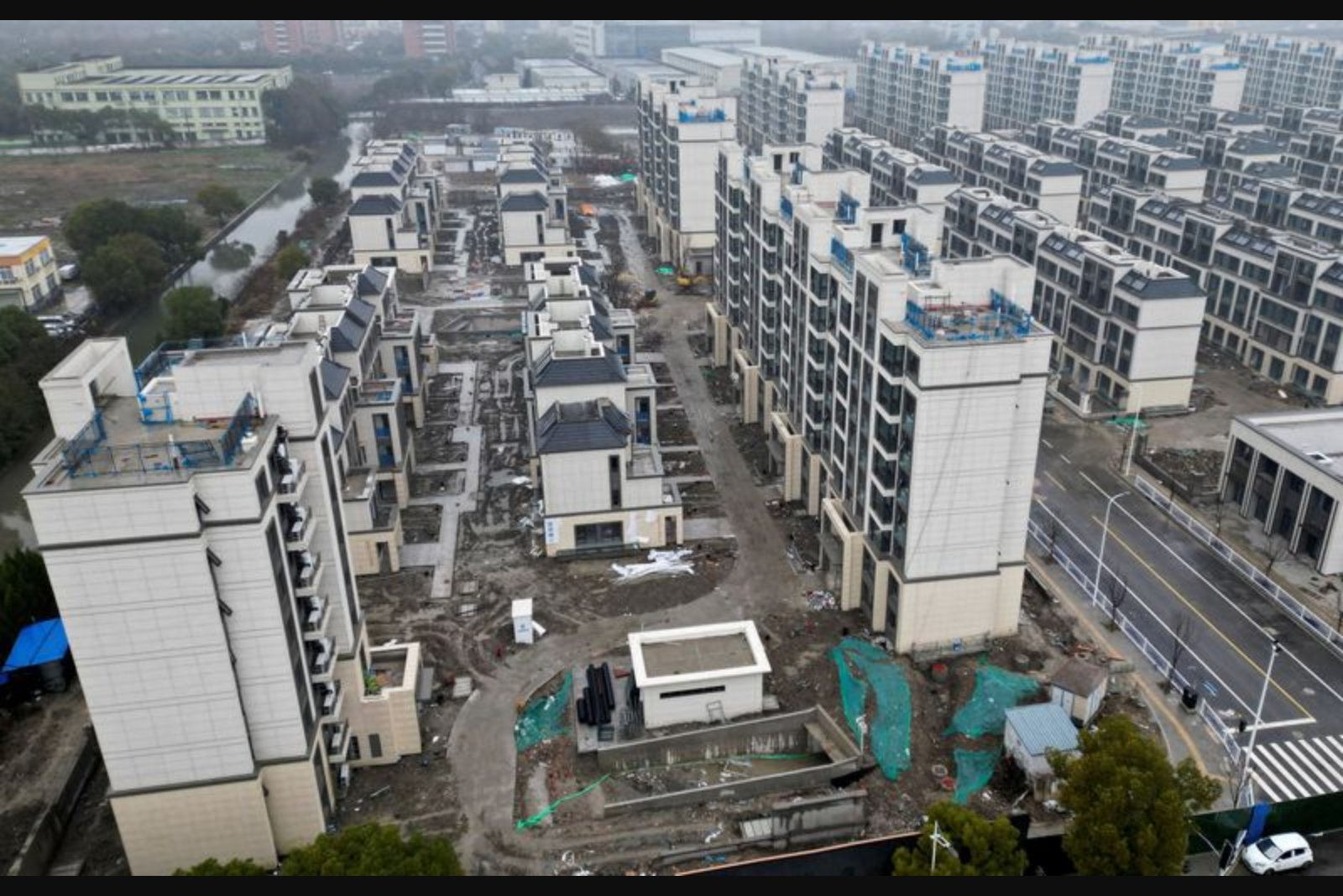
China's housing market, which at its height accounted for about one-quarter of the nation's economy, has grappled with a deepening debt shock since mid-2021 that resulted in large numbers of developers defaulting on obligations. Officials have deployed a variety of policies since 2023 to stabilise the sector and restore liquidity to developers, banks and homebuyers.
The policy response has taken multiple forms, including monetary easing, reductions in downpayment requirements, measures to make mortgages cheaper, pilot programmes for real estate investment vehicles and local initiatives to repurpose unsold housing. Despite some more positive indicators in early 2026, market participants caution that the recovery remains fragile.
Key policy steps since 2023
- 2026 January - Authorities reportedly ended the "three red lines" policy that had placed caps on developers' debt ratios, a set of rules that originally helped trigger the debt crisis. At the same time, sources say regulators permitted banks to extend loans for projects placed on a designated "whitelist" by up to five years for favoured projects.
- 2025 November - The securities regulator launched a pilot programme for commercial real estate investment trust funds (REITs), opening a new channel for property financing.
- 2025 August - Shanghai and Beijing removed all purchase restrictions for local residents in non-central districts and eased other home purchase constraints.
- 2024 October - Authorities aimed to expand the "project whitelist" to cover 4 trillion yuan by the end of the year.
- 2024 September - Beijing, Shanghai and Shenzhen reduced minimum downpayment ratios for first-time and second-home buyers and loosened purchase restrictions for non-local buyers. The central bank unveiled a substantial stimulus package that included a 50 basis point reduction in average mortgage interest rates for existing loans and a cut in the national minimum downpayment requirement to 15% for all types of homes.
- 2024 May - The central bank announced a 300 billion yuan relending facility intended to facilitate roughly 500 billion yuan in loans to local government-controlled firms to acquire empty homes and convert them into affordable housing. The central bank also stated it would lower minimum downpayment ratios for first- and second-home buyers to no less than 15% and 25%, respectively, and abolish the national floor for mortgage interest rates on first and second homes. More than 50 cities unveiled "swap old for new" apartment programmes aimed at renewing older housing stock.
- 2024 February - The five-year loan prime rate was reduced by 25 basis points, described at the time as its largest-ever single cut.
- 2024 January - Authorities began to implement a "project whitelist," instructing municipal governments to identify local property developments that would be eligible for financing support.
- 2023 September - The central bank cut banks' reserve requirement ratio for the second time that year to inject additional liquidity into the financial system.
- 2023 August - The central bank and financial regulator relaxed certain borrowing rules for homebuyers, including lowering mortgage rates for first-home buyers and reducing downpayment ratios in some cities. Major cities said they would allow preferential first-home loans irrespective of an applicant's credit record, and China lowered its one-year benchmark lending rate.
- 2023 July - At a Politburo meeting, top leaders omitted the phrase "housing for living, not for speculation" from the official summary. The cabinet approved guidelines for redeveloping "urban villages" and underdeveloped areas in megacities.
- 2023 June - The central bank cut its key lending benchmarks for the first time in 10 months.
Throughout this period, regulators have combined monetary policy moves with targeted credit facilities and regulatory adjustments intended to revive housing demand, ease developer funding strains and repurpose vacant stock for affordable housing. The measures also include market structure experiments such as REIT pilots and local programmes to modernise or replace older housing.
Nevertheless, the sector's problems have been persistent: widespread defaults by developers since mid-2021 remain a central factor shaping policy choices. Officials' actions through late 2025 and into early 2026 have aimed to stabilise both supply-side financing and demand from prospective homebuyers, but observers within the industry continue to counsel caution about the pace and durability of any recovery.
($1 = 6.9519 Chinese yuan)