
Economy February 4, 2026

Bessent Defends Fed Independence, Flags Stablecoins as Potential Treasury Tool

Treasury secretary tells House panel the Fed must balance its mandate while warning against overreach; stablecoins could play a role in government financing

By Ajmal Hussain
Bessent Defends Fed Independence, Flags Stablecoins as Potential Treasury Tool

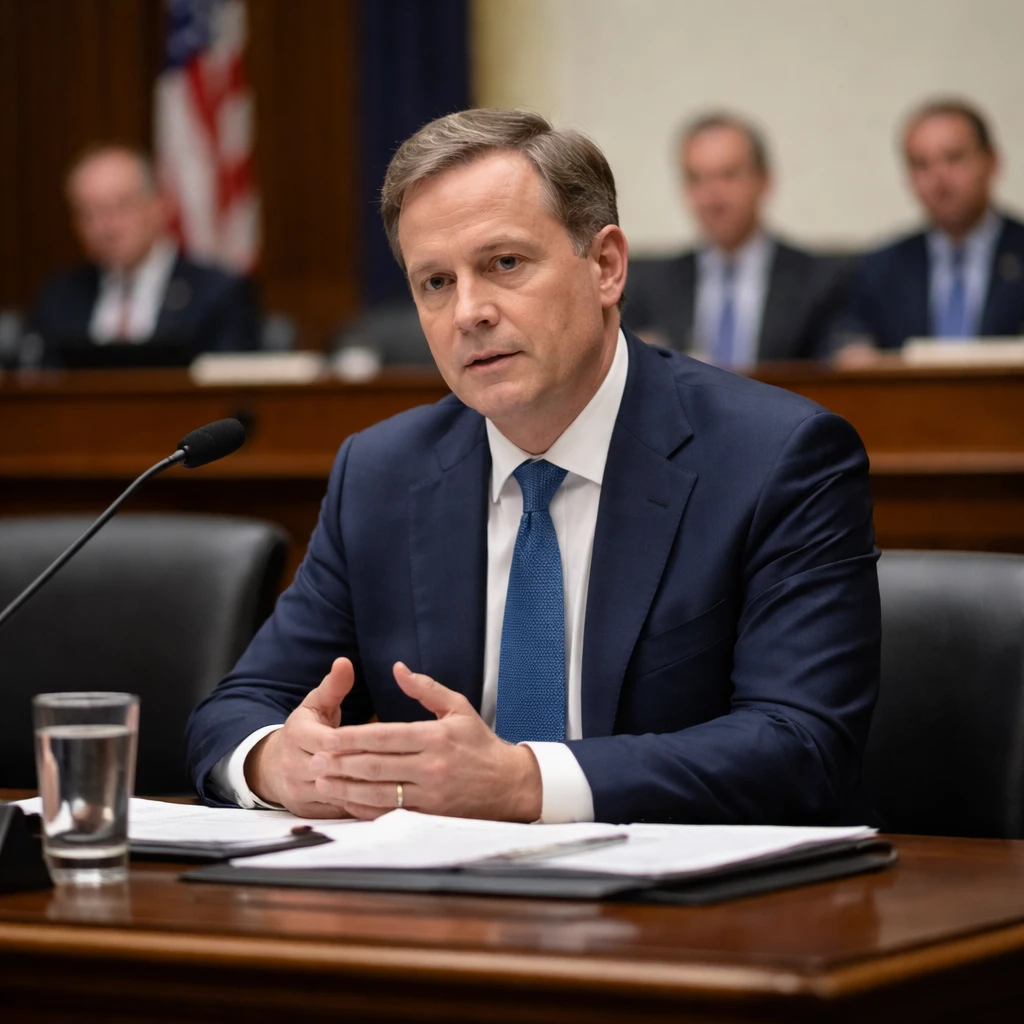
Treasury Secretary Bessent told the House Financial Services Panel that Federal Reserve independence is essential to effective monetary policy, urging the central bank to stay within its core mandate. He acknowledged a loss of public trust during the inflation episode, cautioned against chasing a 'zero-risk financial system,' and signaled support for measures to shore up small banks' deposits during crises. Bessent also suggested stablecoins may have a role in U.S. government financing and reaffirmed the administration's backing of a strong dollar.

Key Points

  • Bessent emphasized the importance of Federal Reserve independence and warned against the Fed "delv[ing] to other areas" that could "impinge[] independence" - impacts monetary policy and central bank governance.
  • He acknowledged that the Fed "lost people’s trust when inflation ravaged nation," but affirmed support for both independence and accountability - relevant to financial markets and public confidence.
  • The Treasury secretary backed measures to prevent deposit flight at small banks during crises and noted stablecoins could have a role in U.S. government financing - implications for the banking sector, government finance operations, and digital-asset markets.

Treasury Secretary Bessent appeared before the House Financial Services Panel on Wednesday and stressed that Federal Reserve independence remains a cornerstone of effective monetary policy.

In his testimony, Bessent said the Fed must preserve a "very delicate balance" as it carries out its dual mandate. He warned that when the central bank "delves to other areas, impinges independence" - language emphasizing his concern about the institution stepping beyond its core responsibilities.

Addressing public confidence in the central bank, Bessent conceded the Fed "lost people’s trust when inflation ravaged nation," while simultaneously reiterating his support for both the Fed's independence and its accountability.

On the subject of financial regulation, Bessent urged caution. He argued against the pursuit of a "zero-risk financial system," framing such an objective as impractical, but he was equally clear that he is "not pursuing financial deregulation at any cost."

During questioning from lawmakers, the Treasury secretary voiced backing for policies aimed at preventing runs on small banks during times of stress. His remarks came in response to inquiries about proposals for deposit-insurance arrangements targeted at smaller banks, and signaled a willingness to consider measures that would limit deposit flight in crisis scenarios.

Bessent also pointed to the potential importance of stablecoins for the U.S. government’s financing toolkit, suggesting digital assets could play a role in certain Treasury operations. He did not provide operational details in the session, but raised the idea as a possible area of interest for government financing.

On currency policy, Bessent reiterated the administration’s stance, stating "we always support a strong dollar policy."


The testimony combined assurances about institutional independence with a pragmatic stance on financial stability and potential innovation in government financing. Bessent balanced calls for accountability with warnings against unrealistic regulatory goals, while highlighting specific concerns for small-bank deposit stability and the emerging role of digital assets.

Risks

  • Potential erosion of public trust in the Federal Reserve following the inflation episode could affect market expectations and the credibility of monetary policy - relevant to bond and currency markets.
  • Runs on deposits at small banks during financial stress remain a concern, creating uncertainty for the regional banking sector unless effective protective measures are implemented.
  • The exploration of stablecoins in government financing introduces technological and operational uncertainties for Treasury operations and for regulatory approaches to digital assets.

More from Economy

Treasury Secretary Bessent Recants Earlier Claim That Tariffs Are Inflationary Feb 4, 2026 U.S. Seeks Minimum Prices for Critical Minerals in Talks with Mexico, EU and Japan Feb 4, 2026 Toronto-area home transactions and prices decline sharply in January amid economic uncertainty Feb 4, 2026 Telekom and Nvidia Launch €1 Billion Munich AI Data Center, German Finance Minister Says It Bolsters Digital Sovereignty Feb 4, 2026 Poland’s Central Bank Holds Policy Rate at 4% as Growth Outpaces Forecasts Feb 4, 2026