
Economy February 5, 2026

Bank of Canada Says Economic Restructuring Will Unfold Over Years, Warns of Possible Pain

Governor Tiff Macklem tells Empire Club the adjustment to tariffs, slower population growth and AI will be slow and uncertain; policy choices must avoid misdiagnosis

By Leila Farooq
Bank of Canada Says Economic Restructuring Will Unfold Over Years, Warns of Possible Pain

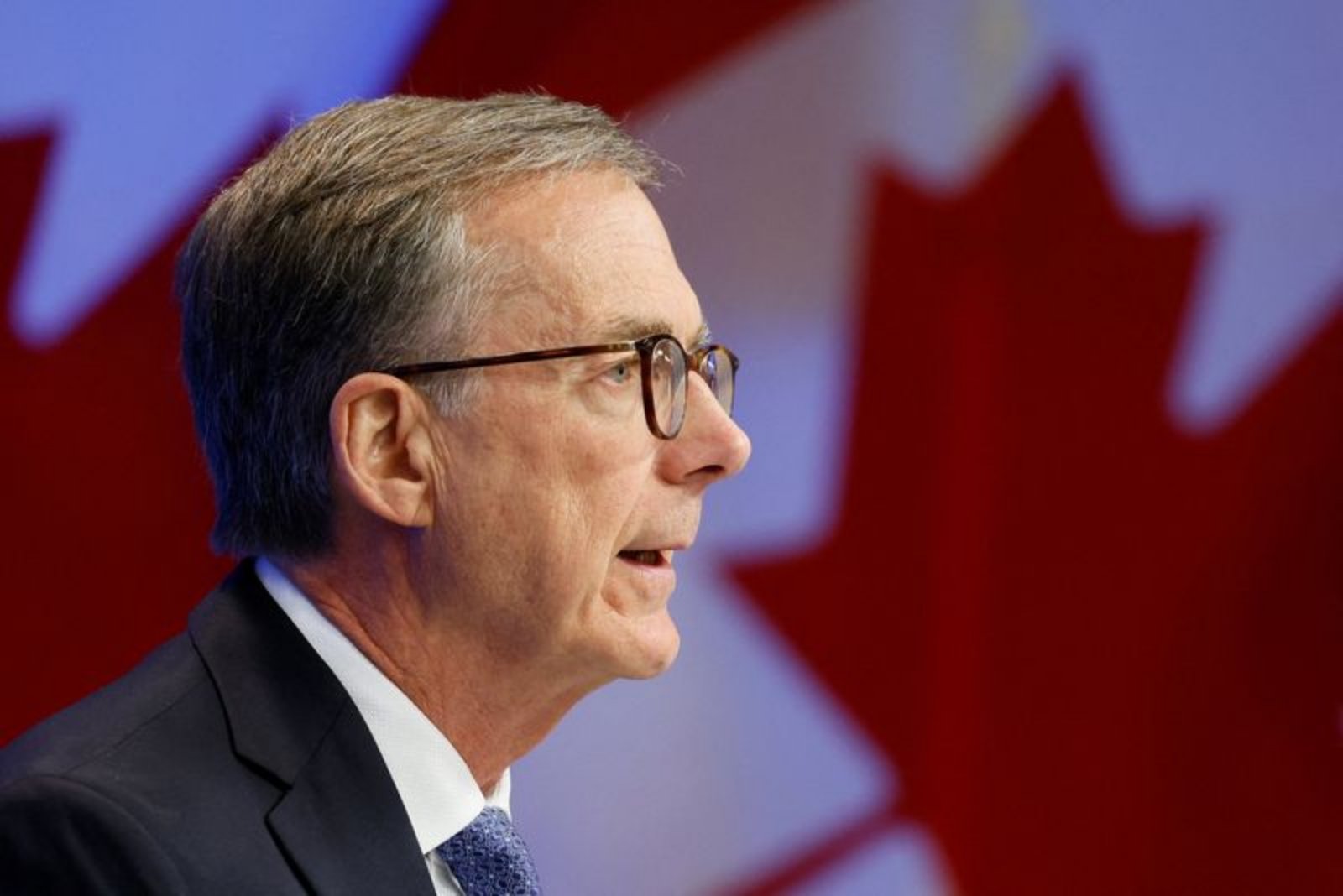
Bank of Canada Governor Tiff Macklem told the Empire Club in Toronto that reshaping the Canadian economy to handle U.S. tariffs, weaker population growth and the integration of artificial intelligence will take years and could be painful. The central bank last week kept its policy rate at 2.25% for a second consecutive meeting and emphasized unusually high uncertainty around its outlook. Macklem cautioned against mistaking structural change for cyclical weakness and urged policy makers and businesses to prepare.

Key Points

  • Governor Macklem says economic restructuring to address tariffs, slower population growth and AI will take years and growth will be modest during the transition - impacts sectors reliant on trade and productivity.
  • The Bank of Canada has held its key policy rate at 2.25% for two consecutive meetings and will keep rates steady if the economy follows current forecasts - relevant for fixed income markets and borrowing-sensitive sectors.
  • Adoption of artificial intelligence by companies is currently modest; significant economic or labour market effects may not appear for some time - implications for technology and labour-intensive industries.

OTTAWA, Feb 5 - Bank of Canada Governor Tiff Macklem said the process of reorganizing the Canadian economy to contend with U.S. tariffs, slower population growth and the emergence of artificial intelligence will be measured in years, not quarters, and carries a risk of significant short-term pain.

Speaking at the Empire Club in Toronto, Macklem urged both governments and businesses to take active steps to adapt to these pressures, stressing that Canada cannot afford to fail in managing the transition. He said that as the economy adjusts, growth will be modest, and that only over an extended period will productivity and potential output pick up.

"As the Canadian economy works through this transition, growth will be modest. In time, the economy restructures and productivity and potential output pick up, but this will be measured in years, not quarters," Macklem said. He added that the shift could proceed faster than expected, but it also could be "more painful than we'd like - particularly if the trade situation darkens or other shocks disrupt the economy."

Last week the Bank of Canada held its key policy rate at 2.25% for the second meeting in a row, and it reiterated that rates would remain unchanged so long as economic developments broadly match the bank's forecasts. At the same time, the bank has highlighted an unusually high degree of uncertainty around that outlook.

Macklem described the difficulty officials face in distinguishing between structural change and cyclical swings. He warned that misdiagnosing the source of economic weakness could lead to policy errors with adverse consequences for inflation and the pace of necessary adjustments.

Specifically, he noted the danger that cutting rates in response to apparent weakness could fuel inflation if that weakness stems from a smaller productive capacity rather than a temporary drop in demand. Conversely, stimulating demand when the economy is undergoing structural adjustment could postpone the reallocation and change that are required.

The Bank of Canada's forecasts indicate the labour force will scarcely expand over the coming years, and Macklem said he did not expect the unemployment rate to trend upward. On the role of artificial intelligence, he acknowledged that while AI could deliver economic gains and exert pressure on the labour market, corporate adoption so far has been modest and "it may be a while before we see a significant impact."

In his remarks, Macklem emphasized the need for careful policy and business responses to navigate the drawn-out and uncertain transition ahead.

Risks

  • A deterioration in the trade environment could make the transition more painful - risk to export-oriented industries and broader economic growth.
  • Other economic shocks could disrupt the restructuring process and deepen short-term pain - risk to financial markets and sectoral stability.
  • Misdiagnosing structural weakness as a cyclical downturn could lead to inappropriate monetary policy - lowering rates could stoke inflation if weak output reflects lower productive capacity, while overstimulating demand could delay necessary structural change.

More from Economy

Bank of England Holds Rates After Narrow Vote, Signals Possible Cuts as Inflation Cools Feb 5, 2026 U.S. Environmental Enforcement Falls to Record Low in 2025, Analysis Finds Feb 5, 2026 Lagarde Says AI-Driven Investment Will Take Time to Lift Productivity Feb 5, 2026 Senate Democrat Demands End to $20 Billion U.S. Swap Line With Argentina Feb 5, 2026 ECB Maintains Deposit Rate at 2% as Inflation Falls and Growth Remains Modest Feb 5, 2026