
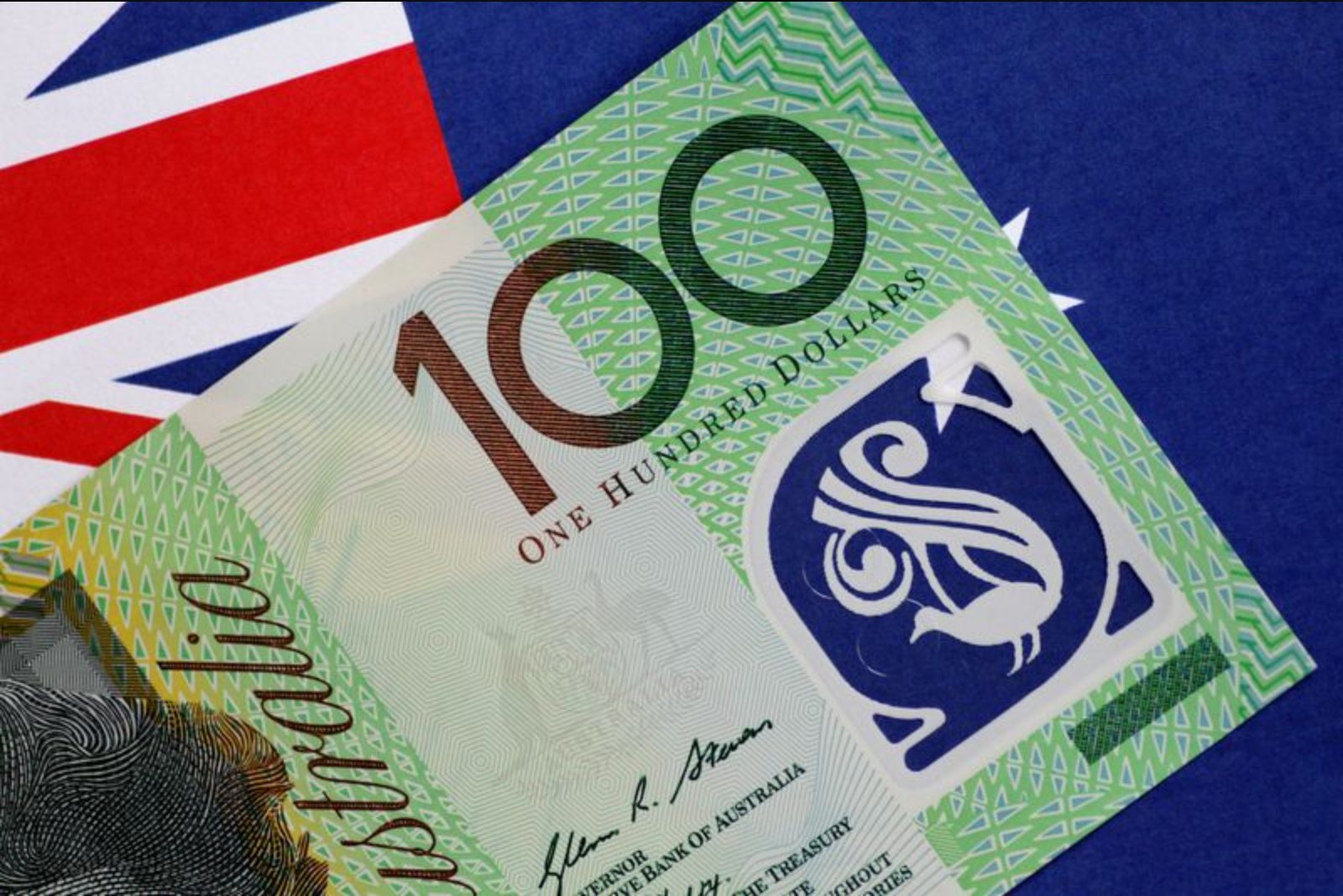
SYDNEY, Feb 2 - The Australian and New Zealand dollars wobbled on Monday after U.S. President Donald Trump named Kevin Warsh as his preferred candidate to lead the U.S. central bank, a development that strengthened the already embattled U.S. dollar and triggered sharp falls in precious metal prices.
The Australian dollar dropped to a one-week low of $0.6923 before finding footing around $0.6970. That move followed a 1.2% decline on Friday that interrupted a nine-day winning streak which had taken the currency away from a three-year peak of $0.7094. Despite the recent softness, the Aussie registered a strong gain of 4.3% for January, supported by rising market expectations that the Reserve Bank of Australia could return to a tightening cycle after three rate cuts last year.
All eyes are on the RBA's policy meeting on Tuesday, where about 75% of market participants have priced in a quarter-point increase. A decision to hold would be viewed as a setback for the currency, while an increase is widely expected to provide upward momentum.
Joseph Capurso, head of foreign exchange at the Commonwealth Bank of Australia, noted how RBA signalling could move the market. He said: "But the pick-up in volatility also means AUD/USD is susceptible to sharp moves down. If the slump in precious and other metal prices continue, AUD/USD will be dragged lower."
The nomination of Warsh - who prefers a smaller central bank balance sheet - was announced on Friday by U.S. President Donald Trump. The choice sparked broad selling across risk assets, strengthened the U.S. dollar and precipitated steep corrections in the prices of gold and silver.
The New Zealand dollar saw similar pressure. The kiwi fell to a one-week trough of $0.5996 before recovering slightly to trade flat at $0.6022. It gained 4.5% in January, and near-term resistance is seen at $0.6092.
Market participants are also awaiting New Zealand's quarterly labour market release on Wednesday. Forecasts are centred on a 0.3% quarterly rise in employment growth, with the unemployment rate expected to remain steady at 5.3%.
The Reserve Bank of New Zealand is scheduled to meet on February 18. That gathering will be the first opportunity for new Governor Anna Breman to outline her approach to policy direction. Markets currently expect the next move in New Zealand interest rates to be upward, although that is not projected to materialise until at least July.
Market context
The stronger U.S. dollar, prompted by the Warsh nomination and associated commentary about balance sheet preferences, fed into declines in precious metals and increased volatility in currencies tied to commodity prices. For Australia, where metal prices are a significant influence, the combination of policy expectations and commodity moves is especially consequential.
Investors and policymakers will be watching the RBA meeting outcome closely, as well as New Zealand's upcoming labour figures and the RBNZ meeting, for clearer signals about the path of monetary policy in the months ahead.