
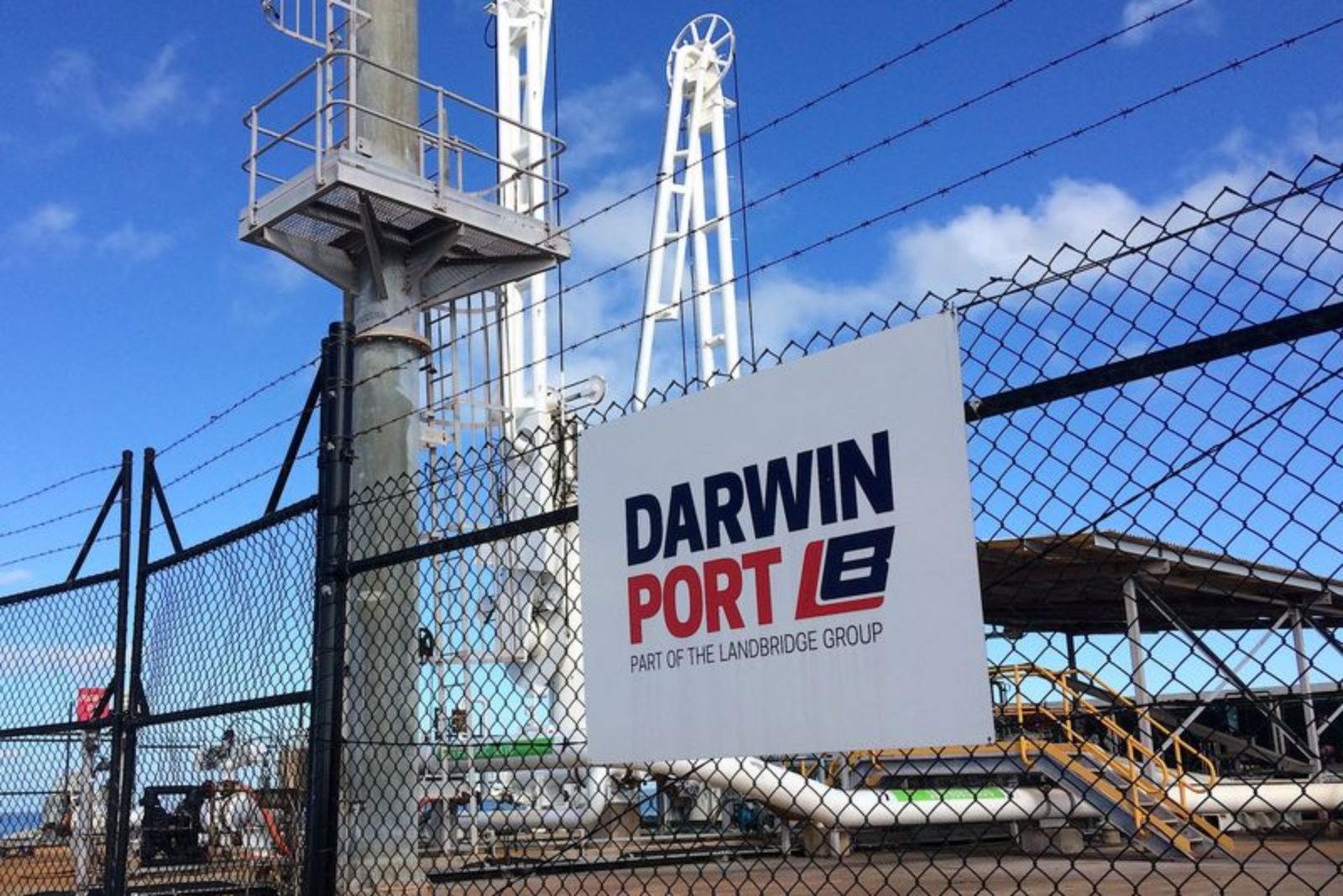
Australia has reiterated its intention to return control of the strategically located Port of Darwin to domestic ownership, Prime Minister Anthony Albanese said on Wednesday, while China’s senior diplomat in Canberra warned Beijing could take steps to protect the interests of the port’s Chinese lessee.
Albanese gave the comment while on an official visit to East Timor, saying the government had made clear it wanted the port returned to Australian hands. "We are committed to making sure that that port goes back into Australian hands because that is in our national interest," he said.
The Northern Territory government sold the port to Landbridge for A$506 million in 2015 under a 99-year lease, a transaction that attracted criticism at the time from the United States. That sale followed shortly after the first of a rotating group of U.S. Marines were posted in Darwin. The United States and Australia are also expanding air bases in the country’s north to accommodate U.S. bombers, underscoring the strategic importance of the region.
Landbridge Australia did not immediately provide a response to requests for comment on Wednesday. The company had said in November that the port was in a strong financial position.
China’s ambassador to Australia, Xiao Qian, addressed the matter at an annual press briefing in Canberra on Wednesday, warning that Beijing would "take measures to protect the Chinese company’s interests" should the port be sold against the company’s wishes. The Australian Broadcasting Corporation reported Xiao saying: "Should Landbridge be forced to leave that port, I think it might also affect the substantive investment, cooperation and trade between Chinese companies and that part of Australia."
The comments follow earlier criticism from Xiao of Albanese’s election promise to move the port back into local ownership. In Beijing, a foreign ministry spokesperson, Guo Jiakun, reiterated that the lease had been obtained through market means and stressed that the lessee’s rights and interests should be protected. "China would like to reiterate that the relevant Chinese enterprise obtained the lease for the Port of Darwin through market means," Guo said at a regular news conference. "Their legitimate rights and interests should be fully protected," he added.
It is not the first time the issue has surfaced since the 2015 transaction, and the comments from Chinese officials underscore ongoing sensitivities around foreign investment in strategically positioned Australian infrastructure. The Australian government has framed its position as one driven by national interest, while Chinese officials have focused on defending the contractual and investment rights of the company that holds the 99-year lease.
Summary
Prime Minister Anthony Albanese stated his government remains committed to returning Darwin Port to Australian ownership. The port was leased to Landbridge in 2015 for A$506 million for a 99-year term. Beijing has warned it may take measures to protect the interests of the Chinese company, while Australian officials say the move is in the national interest. Landbridge has previously said the port is financially strong.