
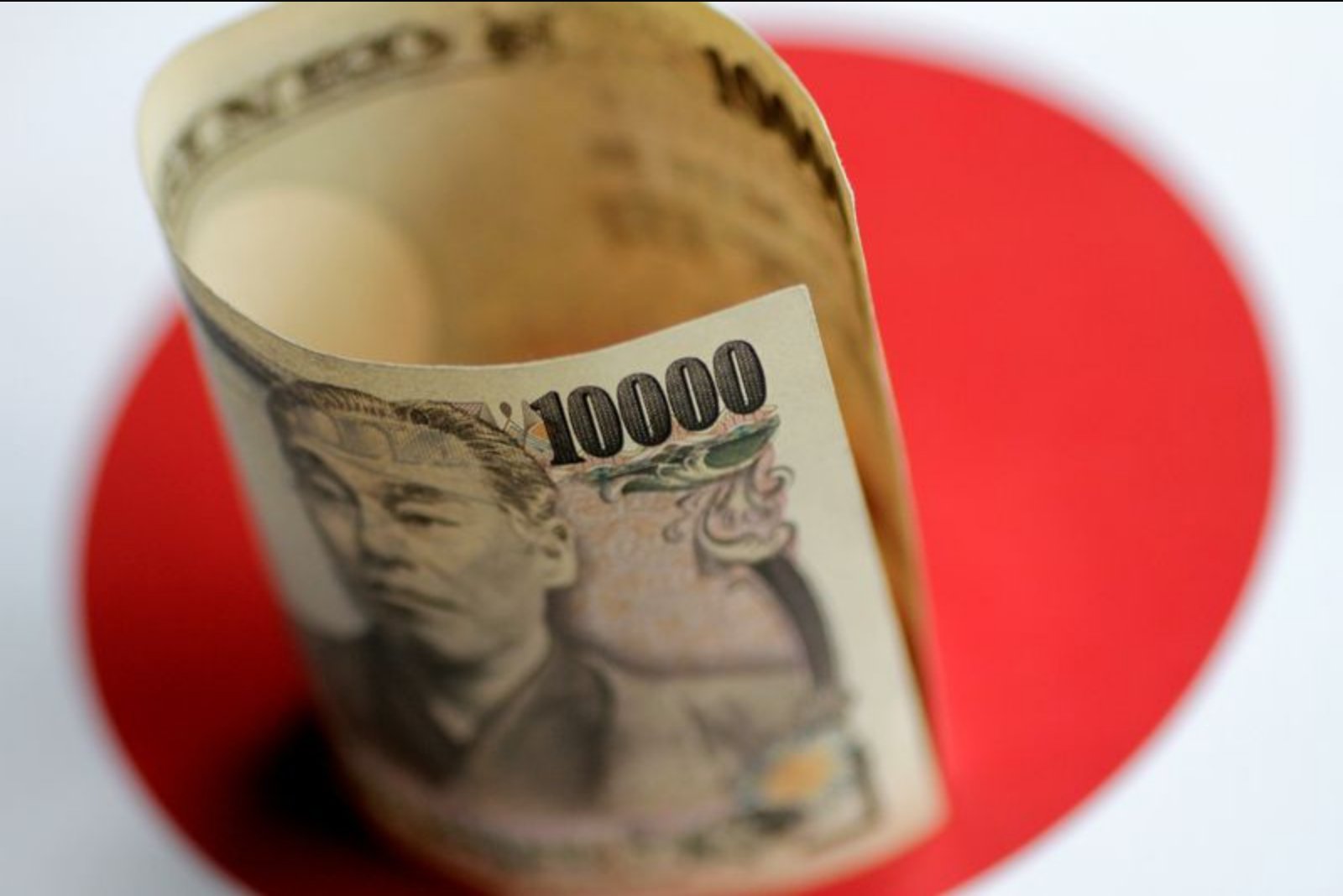
SINGAPORE, Jan 27 - The Japanese yen held its footing on Tuesday following two consecutive sessions of marked gains, as traders stayed cautious about the prospect of coordinated currency intervention by authorities in the United States and Japan. The advance in the yen has exerted downward pressure on the U.S. dollar, which lingered close to a four-month low while facing several domestic challenges.
Currency markets have recently concentrated on the yen, which has surged by as much as 3% over the past two sessions amid talk of rate checks between U.S. and Japanese officials - a step often interpreted as a forerunner to intervention. The yen has since stabilized in the 153-154 per dollar range, and was last quoted at 154.24 per dollar, well away from Friday's low of 159.23.
Alicia Garcia Herrero, chief economist for Asia-Pacific at Natixis, described the market's reaction to central bank activity as effective, saying: "It was very effective, and rightly so... the Fed move was unexpected." A source conveyed to Reuters that the New York Federal Reserve had checked dollar/yen rates with dealers on Friday, while senior Japanese officials said on Monday that they had been in close coordination with the U.S. on foreign exchange.
The mere possibility that official intervention could be forthcoming has made investors reluctant to push the yen back down, despite ongoing concerns over Japan's fiscal position. Market participants and analysts note, however, that coordinated intervention faces a high threshold and may not materialize as quickly as some expect.
"This is not the end of it. Yes, I think the market is slightly more wary, but if nothing happens after a while, I think there will be renewed attempts to test the resolve of the Japanese authorities," said Moh Siong Sim, FX strategist at OCBC. "Perhaps at that point in time, then you might see actual intervention come in, to send an even stronger message."
Data from the Bank of Japan's money markets suggested that the spike in the yen's value against the dollar on Friday was unlikely to have been caused by official Japanese intervention.
Dollar under pressure
Spillover selling of the dollar left many of its peers near four-month highs on Tuesday. The euro was steady at $1.1878 after reaching $1.19075 on Monday. Sterling had climbed to a recent high of $1.37125 in the prior session and last traded at $1.3678. The Australian and New Zealand dollars maintained gains from the previous day, trading at $0.6914 and $0.5970, respectively.
On a trade-weighted basis, the dollar has lost more than 1% so far this year, and was last at 97.05 after touching a four-month low of 96.808 on Monday. The currency's retreat in early 2026 reflects a widening set of concerns that have prompted investors to reassess earlier assumptions about a period of dollar stability.
Fed meeting and political backdrop
The Federal Reserve was set to begin a two-day policy meeting later on Tuesday. The gathering is likely to take place under the shadow of several political developments: a criminal investigation of Chair Jerome Powell, an emerging effort to remove Fed Governor Lisa Cook, and the impending nomination process for Powell's successor.
"I think markets will probably be focused on questions about the Fed's independence rather than the rate outlook," said Carol Kong, a currency strategist at Commonwealth Bank of Australia. She warned that if Powell were to step down as a governor after his term as Chair ends in May, it might heighten perceptions that the Fed is yielding to political pressure - a dynamic she said would be a downside risk for the dollar.
Implications for markets
With the yen's recent strength and the recurring talk of coordinated checks between authorities, currency traders appear cautious about immediately testing the authorities' willingness to act. At the same time, persistent uncertainties surrounding U.S. politics and fiscal outcomes, together with questions about central bank independence, continue to weigh on dollar sentiment.
Market participants will be watching developments closely in the days ahead - including any signs from the Fed meeting and further official statements on currency coordination - to gauge whether the current caution will evolve into decisive intervention or whether renewed attempts to move the yen will reemerge.