
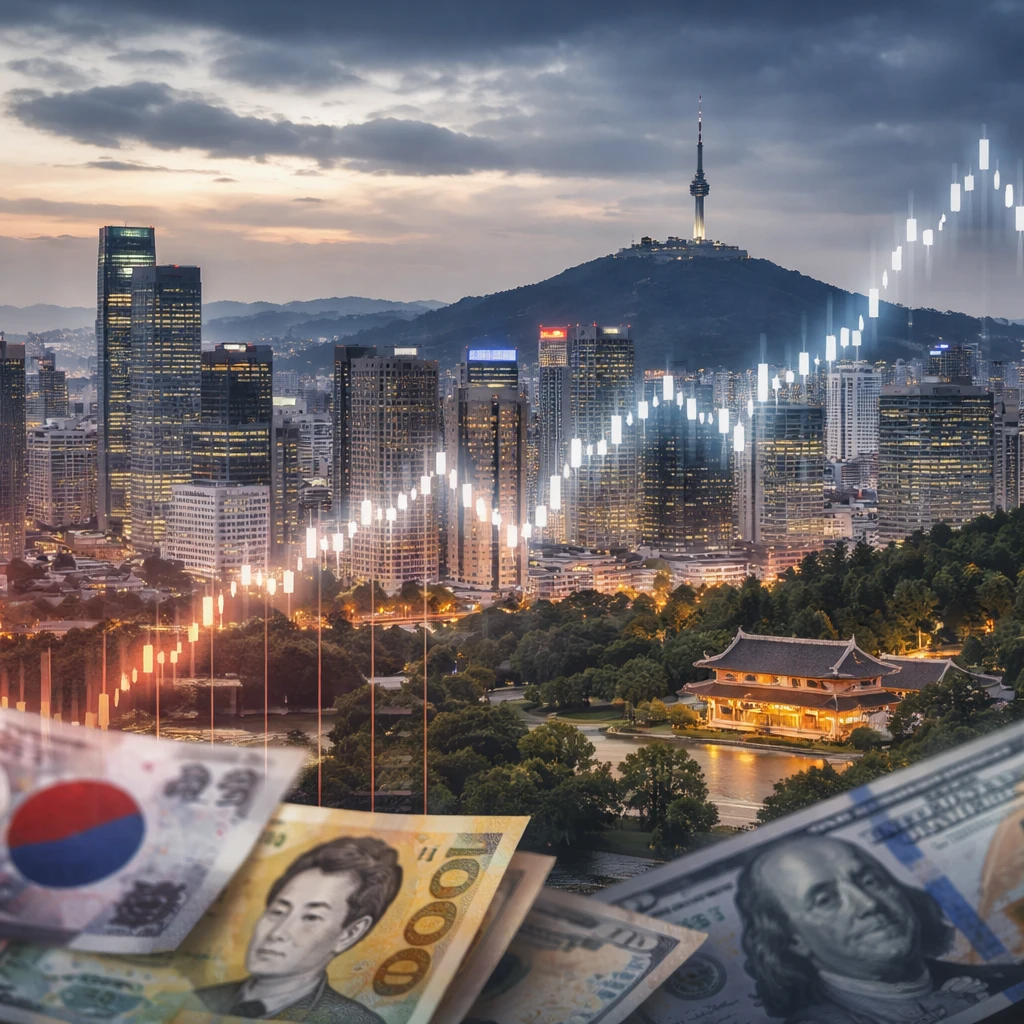
South Korea’s substantial investment initiative, amounting to $350 billion targeting strategic sectors in the United States, is projected to start later than initially anticipated, with no significant activity expected within the first half of 2026. Finance Minister Koo Yun-cheol shared these insights during a recent interview, highlighting the complexity in launching such expansive projects and the accompanying financial implications.
Under a trade agreement reached last November, the United States and South Korea agreed to mutually implement investment and tariff adjustments. South Korea committed to investing a total of $350 billion in U.S. strategic industries. In return, the U.S. agreed to impose an annual cap of $20 billion on dollar outflows to Korea. Despite these arrangements, Koo underscored that initial investment disbursements would likely be modest due to the necessary procedural steps involved before full-scale deployment.
“Even if nuclear power facilities are among the selected projects, the process encompassing site selection, design, and construction will extend over time, resulting in relatively smaller initial capital movements,” Koo elaborated. This slower pace of investment rollout aligns with the currency agreements and the current foreign exchange dynamics.
The declining strength of the South Korean won has emerged as a significant concern for policymakers navigating the timing and scale of dollar flows tied to these investments. The won, approaching exchange levels unseen since the financial crisis period of 2007-2009, hovered near a sixteen-year low of 1,473.8 to the dollar as of recent trading sessions. The currency has depreciated more than two percent in the current calendar year alone, intensifying governmental apprehensions.
Koo warned market participants against testing government resolve amid what he described as