
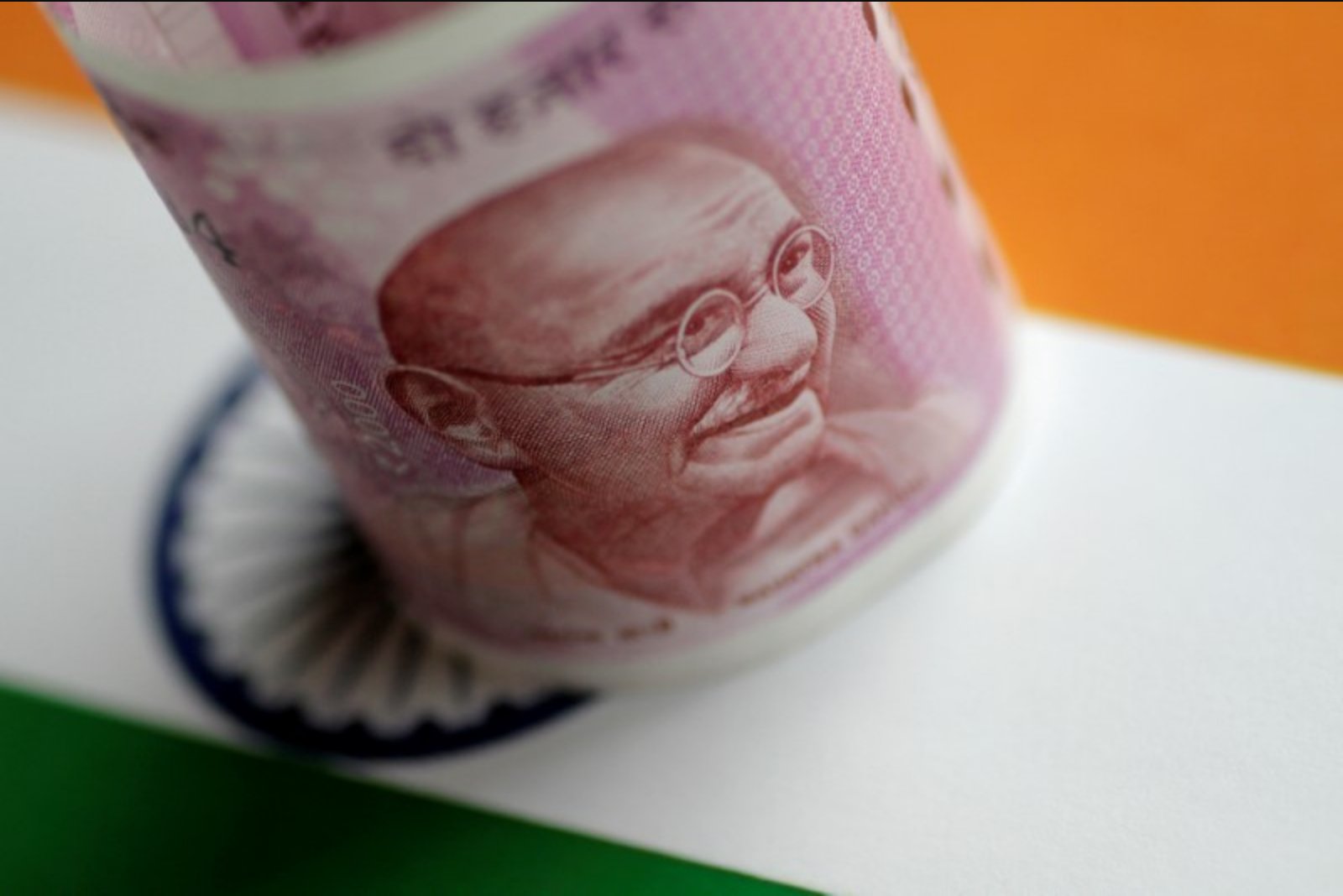
The Indian rupee advanced strongly in morning trade on Tuesday after New Delhi and Washington unveiled a trade agreement that lowers U.S. tariffs on goods from India.
In currency markets the USD/INR pair - which measures how many rupees are needed to buy one U.S. dollar - moved sharply lower, sliding as much as 1.5% to 90.128 rupees. That represented the pair's weakest dollar reading since mid-January, following a period in which USD/INR had climbed to a record of more than 92.2 rupees in late-January.
U.S. and Indian officials said the agreement will cut U.S. tariff rates on Indian goods to 18% from 50% in return for India easing some trade barriers and stopping its purchases of Russian oil. The two leaders acknowledged the pact publicly - U.S. President Donald Trump announced the deal on Truth.Social, and Indian Prime Minister Narendra Modi also acknowledged the agreement - but neither offered details on when the measures will begin to apply nor on the wider contours of the deal.
The tariff reduction and related trade concessions were the immediate drivers for the rupee's move, with market participants responding to the prospect of lower barriers to U.S. trade. Observers noted the development is favorable for India, which counts the United States as a major export destination. The article's reporting also highlights that steep U.S. tariffs had weighed heavily on the Indian economy over the past year.
Despite the positive market reaction, important elements remain unspecified. Officials have not provided timing for implementation or full disclosure of the agreement's broader terms, leaving open questions for exporters, importers and energy market participants who will be affected by the change in trade and oil purchase arrangements.
Summary
The rupee strengthened notably after an announcement that the U.S. will lower tariffs on Indian goods to 18% from 50%, with the USD/INR rate sliding to 90.128 - its strongest level since mid-January. Leaders in both countries confirmed the deal but did not supply details on the effective date or full terms. The move is viewed as beneficial for India, which relies on the U.S. as a major export market; previously high U.S. tariffs had been a drag on the Indian economy.