
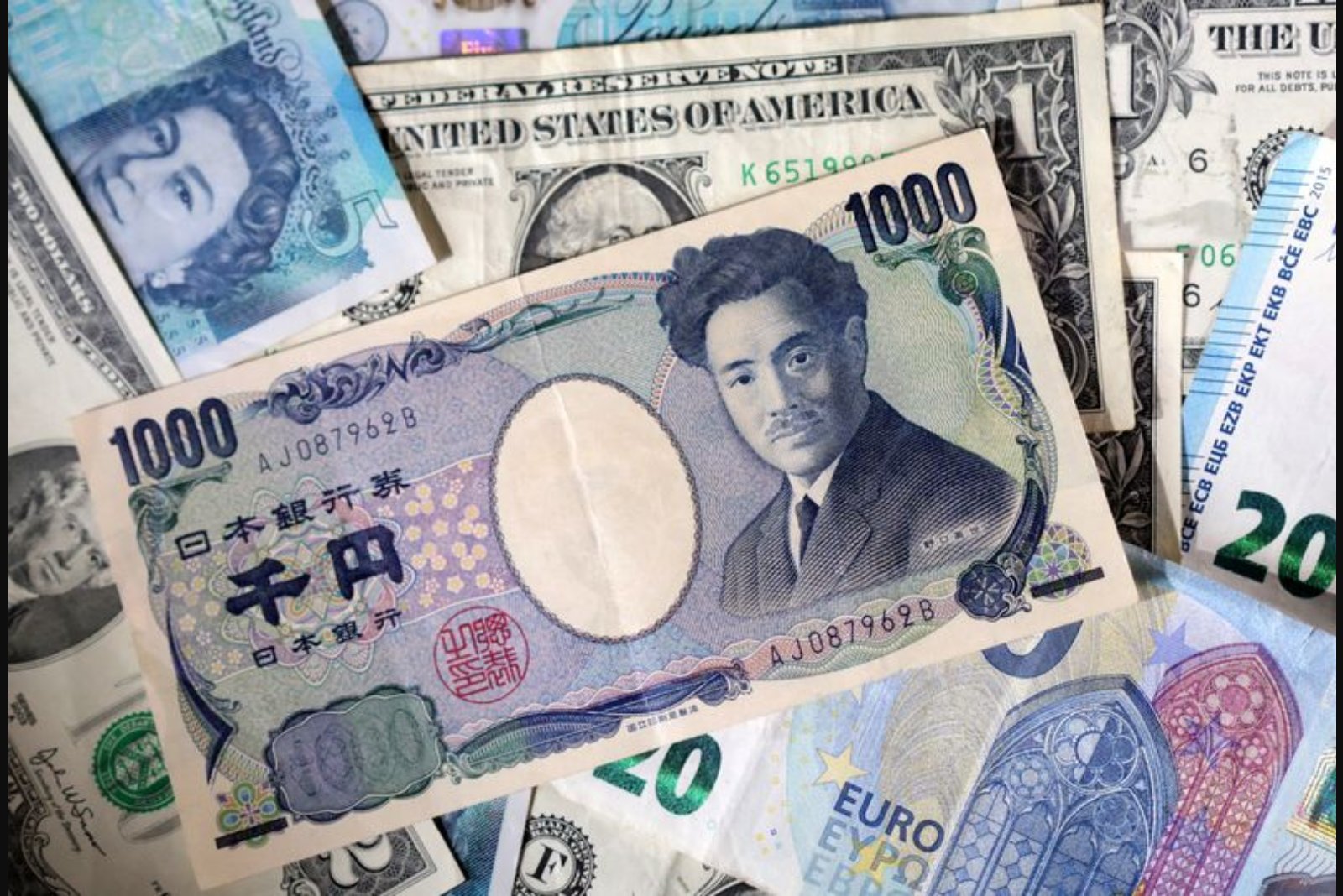
The U.S. dollar weakened sharply on Wednesday as market participants pressed selling after President Donald Trump dismissed concerns about its decline, calling the currency "great." Traders interpreted the comment as a cue to increase dollar selling, driving gains in the euro, yen and sterling and amplifying a broader loss of confidence in the greenback.
By early Asian trading the euro had cleared the $1.20 threshold, reaching $1.2015, its strongest level since 2021. Sterling was trading near its highest level since 2021 at $1.3823. The dollar index, which measures the U.S. currency against six major peers, stood at 95.964 after tumbling more than 1% in the previous session when it fell to a four-year low of 95.566.
Investors seized on Mr. Trump's remark that the dollar was "great" when asked whether it had fallen too far, treating the statement as a signal to sell the currency more aggressively. Traders' activity came amid growing concern that public comments and policy stances from the U.S. administration are undermining confidence in the dollar.
Kyle Rodda, a senior market analyst at Capital.com, described the situation as a "crisis of confidence" for the U.S. dollar and suggested that the current stance of the administration - characterised in his view as erratic across trade, foreign and economic policy - could allow the dollar's weakness to persist.
Market data in the session underscored the dollar's frailty. The currency fell more than 9% over 2025 and entered the new year on the front foot to the downside, slipping about 2.3% in January so far, according to the trading moves cited by market participants. Rodda noted the contrast between the dollar's weakness and the "otherwise strong fundamentals" of the U.S. economy, while attributing the gap largely to behavioural and political factors tied to the president.
Policy focus and central bank expectations
Attention in markets is concentrated on the Federal Reserve's policy announcement later in the day. The central bank is widely expected to stand pat, with investors anticipating a pause that could extend beyond Fed Chair Jerome Powell's final meetings in March and April. That expectation of a prolonged pause is helping to shape currency flows and investor positioning.
At the same time, speculation has intensified that U.S. and Japanese authorities could coordinate actions to stabilize the yen. The prospect of such cooperation - including so-called rate checks, which are often a precursor to formal intervention - has buoyed the yen. The Japanese currency was quoted at 152.60 per U.S. dollar after rallying more than 1% in the previous session and was hovering near a three-month high as talk of cooperation circulated in markets.
Japanese officials said on Monday they have been in close coordination with the United States on foreign exchange matters, though they declined to elaborate. Market participants remain cautious about how effective any intervention might be given Japan's domestic political backdrop: Prime Minister Sanae Takaichi is campaigning on a platform of expanded stimulus, and a snap election has been scheduled for February 8.
Voicing a view on the yen's near-term direction, Vaibhav Loomba, head of FX and rates at Klay Group, said he thought authorities had "done what they've done now," adding that the currency was likely to stay in its current range and that the move had at least postponed a move toward 160 for the yen by several months.
Other currency moves
The Australian dollar also benefited from the broad dollar weakness, climbing to $0.70225 - its highest since February 2023. The rise followed data showing consumer price inflation accelerated on an annual basis in the December quarter, reinforcing market expectations for a near-term rate increase from the Reserve Bank of Australia.
Investor implications
Traders and investors are watching a narrow set of triggers that could alter the current dynamics: public comments from policymakers and political leaders, central bank decisions and any sign of coordinated intervention by authorities. The interplay between political rhetoric, monetary policy expectations and FX market mechanics is shaping flows across major currency pairs.
Separately, some market participants and services are promoting investment products and stock-picking strategies that claim strong performance records this year, drawing attention from investors seeking alternatives amid currency volatility. Those offerings highlight the broader search for return in an environment where the dollar's weakness is re-shaping asset allocations.
The coming days are likely to be shaped by the Fed's policy announcement, statements from U.S. and Japanese authorities on any possible cooperation, and Japan's unfolding domestic political developments as the election approaches on February 8. Traders will monitor those events closely for cues on whether the current round of dollar selling will persist or moderate.