
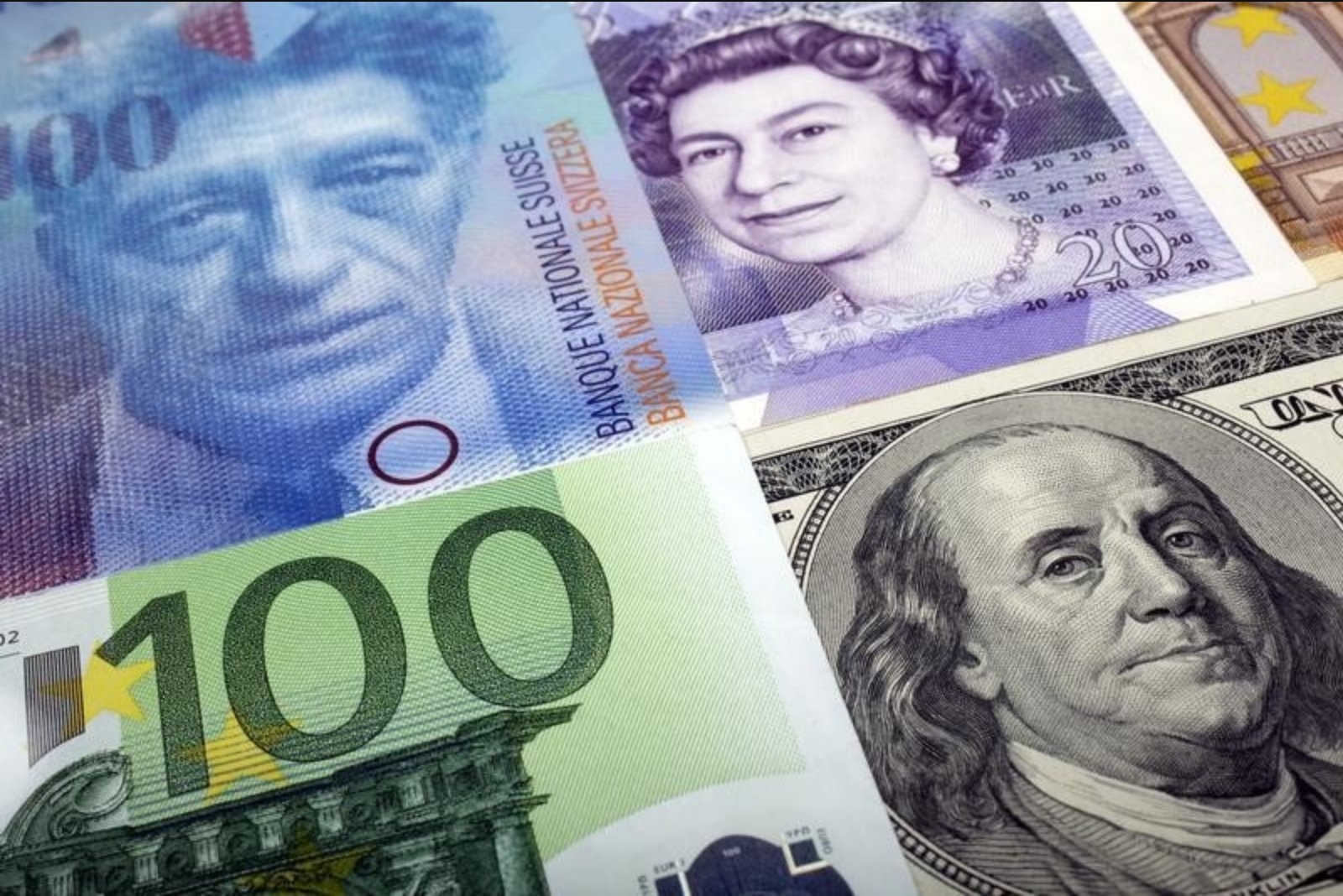
The U.S. dollar extended losses on Wednesday, retreating to levels close to a four-year trough as investors awaited an interest rate decision from the Federal Reserve later in the session. At 04:00 ET (09:00 GMT), the Dollar Index - which measures the greenback against a basket of six currencies - was down 0.1% at 96.010, a level last seen in February 2022, following a 0.5% drop on Tuesday.
Traders cited heightened uncertainty surrounding U.S. policymaking and growing concerns about the independence of the Fed as weighing on the dollar. Activity at the end of last week, when U.S. authorities conducted rate checks over USD/JPY levels - an action often interpreted as a precursor to formal intervention - has left market participants unsure whether a weaker dollar is now an explicit objective of policymakers.
Comments from U.S. political figures late Tuesday, which downplayed worries over the dollar's recent softness, added to that uncertainty. Analysts at ING noted historical tendencies and recent remarks when assessing the backdrop. In an analyst note they observed that, historically, weaker-dollar preferences have sometimes aligned with Republican administrations and that remarks suggesting a lack of concern about dollar weakness could renew scrutiny of U.S. Treasury policy, including questions for Treasury Secretary Scott Bessent.
All eyes are on the U.S. central bank, which is widely expected to hold interest rates steady in its upcoming decision. Attention will therefore fall on remarks from Chair Jerome Powell for any indication of when the Fed might begin cutting rates later in the year. ING suggested that a Fed decision to pause rate moves could provide some support for the dollar. However, ING added that if any ensuing dollar rally proved fragile and the dollar finished the day lower even as short-dated U.S. yields rose, that would signal pronounced bearish momentum for the currency.
Compounding the market's focus on central banking leadership, Powell's term is due to expire in May and the U.S. President has indicated he will soon announce a nominee to succeed him. Repeated public criticism of the Fed chair for perceived slowness in easing policy has generated concern among market participants that a replacement could weaken the central bank's independence.
Euro and sterling give back earlier gains
In Europe, the euro pared earlier advances. EUR/USD traded 0.4% lower at 1.1988, retreating from highs not seen since June 2021 that were reached amid the dollar's slide. The European Central Bank is set to meet next week and is broadly expected to keep its key rate at 2% for a fifth meeting, as eurozone inflation remains muted and the regional economy has shown more resilience than anticipated.
Nonetheless, some ECB officials are already noting the risks associated with a stronger euro. In an interview, the governor of Austria's central bank, Martin Kocher, said policymakers may need to consider another rate cut if further euro appreciation begins to weigh on inflation. ING highlighted EUR/USD price action as evidence that the more dovish camp at the ECB may have reason to worry about missing inflation targets to the downside if the euro continues to rise.
GBP/USD also slipped 0.4% to 1.3794, giving back ground after climbing to its strongest level since October 2021 in the prior session.
Yen remains on intervention watch; other Asian FX moves
In Asia, USD/JPY traded 0.2% higher at 152.58 after earlier sharp declines this week as expectations of intervention by Tokyo increased. Those expectations were amplified after Prime Minister Sanae Takaichi warned against excessive volatility in the yen. Market participants are also preparing for the possibility of coordinated foreign exchange intervention by U.S. and Japanese authorities to support the yen.
Elsewhere in the region, USD/CNY slipped 0.1% to 6.9451, a move that took the yuan to a 31-month low against the dollar. The article notes the yuan has been strengthening steadily in recent months amid ongoing support from Beijing.
AUD/USD eased 0.1% to 0.7003, pulling back from its near three-year peak reached in the previous session. Data released on Wednesday showed Australian consumer price index inflation in December and across the fourth quarter came in hotter than expected, a print that has increased market bets that the Reserve Bank of Australia will move to raise interest rates next week.
Market implications and investor focus
With the Fed expected to hold rates steady, the signal from Chair Powell and any subsequent commentary will be central to near-term FX dynamics. Investors will be watching for further clarity on the timing of potential rate cuts later this year. At the same time, the prospect of policy action around currency pairs such as USD/JPY - and the potential for coordinated intervention - has introduced an elevated degree of caution into markets.
Short-dated U.S. yields and other fixed-income measures will likely be monitored in tandem with currency moves, as analysts have pointed out scenarios where yield movements and currency momentum could diverge. Across Europe and Asia, central bank meetings and inflation prints are shaping expectations for rate-paths and influencing flows into major currencies.