
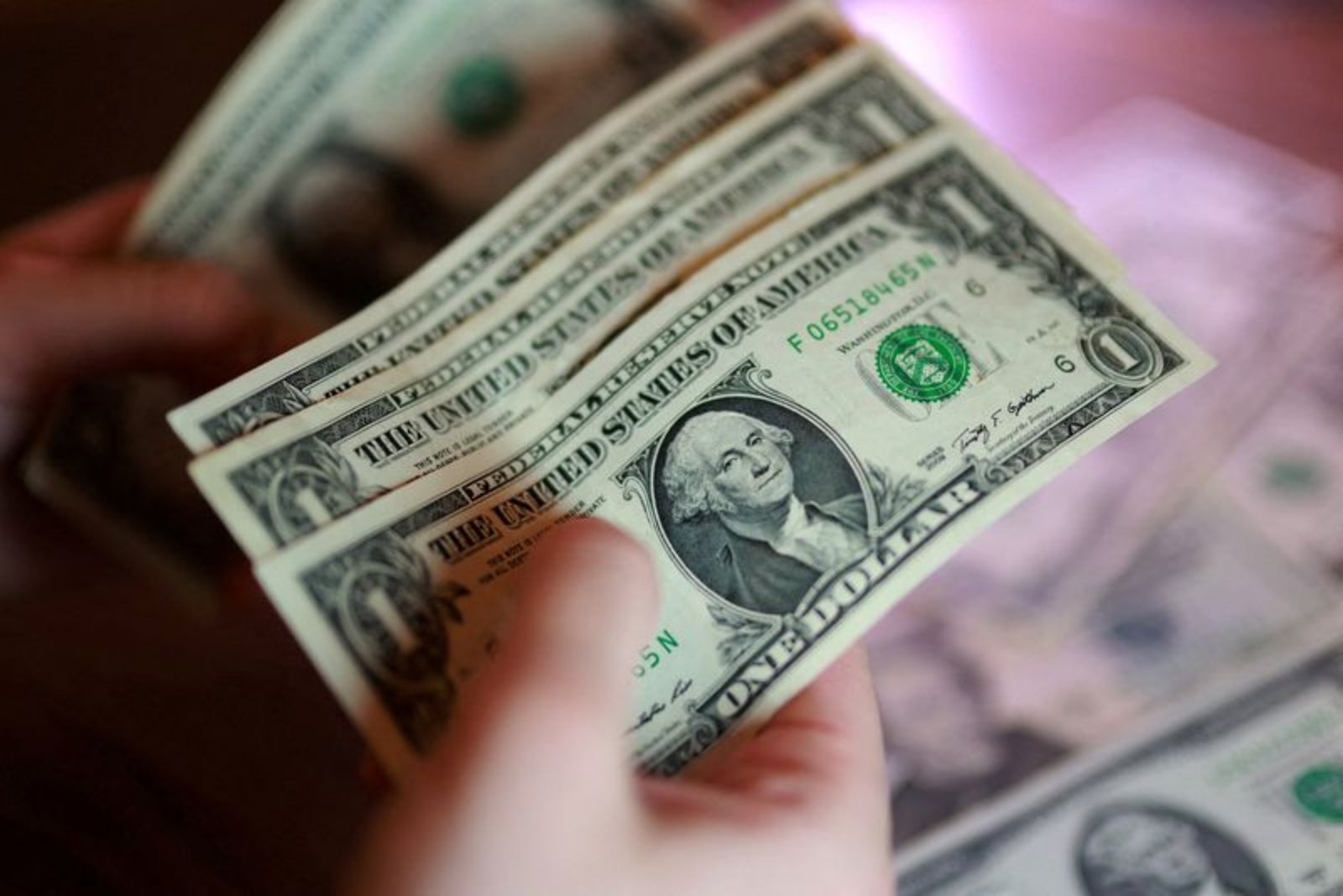
TOKYO, April 9 - The U.S. dollar paused its retreat in early Thursday trading after broad losses, as investors evaluated the prospects for a fragile two-week ceasefire between the United States and Iran.
The dollar index, which tracks the greenback against a basket of currencies including the yen and the euro, edged up 0.03% to 99.09. Major currency moves were modest: the euro slipped 0.07% to $1.1654, the yen relinquished some of the prior session's gains and weakened 0.06% to 158.7 per dollar, and sterling eased 0.04% to $1.3387.
The greenback had fallen to a one-month low on Wednesday after the ceasefire announcement, but the truce appeared unstable. Israel continued military actions against Hezbollah in Lebanon, and Tehran accused both Israel and the United States of violating the agreement, saying that proceeding with peace talks would be "unreasonable." At the same time, the Strait of Hormuz remained closed to vessels without permits, and shippers said they required clearer guidance before they would resume transit.
Market analysts and participants highlighted the range of outcomes that would affect oil, currencies and risk assets. "Any signs that the ceasefire is breaking down, whether through renewed restrictions in the strait or spillover from regional conflicts like Lebanon, could push oil prices higher again, strengthen the U.S. dollar and weigh on risk assets," said Daniela Hathorn, senior market analyst at capital.com.
The dollar has been a primary beneficiary among currencies during the Iran war, the article noted, in part because the United States is a net energy exporter and therefore less exposed to the economic strain that oil-importing economies such as Japan and many European countries could face.
Investors have been unsettled by the five-week war, which has produced what the article described as the largest disruption to global oil and gas supplies on record. The uneasy truce reportedly leaves Iran with more leverage over shipping through the crucial Strait of Hormuz than it held before the conflict, analysts say, and this dynamic follows President Donald Trump stepping back from threats to strike Iran's civilian infrastructure.
Economic data scheduled for release in the United States on Thursday includes February personal spending and the PCE deflator. Market watchers said that while sentiment had improved somewhat after the truce, the dollar-yen pair could remain range-bound during Tokyo trading. "Although strong U.S. data could trigger a rebound in the dollar," Akihiko Yokoo, senior analyst at Mitsubishi UFJ Bank, wrote in a note.
Bank of Japan Governor Kazuo Ueda was expected to appear before parliament from 0415 GMT on Thursday, an event noted by market participants as part of the regional calendar.
Elsewhere among major currencies, the Australian dollar weakened 0.13% to $0.7034 against the U.S. dollar, while New Zealand's kiwi eased 0.02% to $0.5821. In cryptocurrencies, bitcoin fell 0.50% to $71,018.20 and ethereum declined 0.96% to $2,188.86.
Context and market implications
- The fragile nature of the two-week ceasefire is keeping oil and shipping risks elevated, with potential knock-on effects for currencies and risk-sensitive assets.
- U.S. data releases and regional developments, including the situation in Lebanon and restrictions in the Strait of Hormuz, are key near-term drivers for currency and commodity moves.
- Central bank and policy-related events, such as the Bank of Japan governor's appearance in parliament, add to the mix of influences on market positioning.