
Most Asian currencies traded in limited ranges on Tuesday, with market participants cautious ahead of an upcoming Federal Reserve policy decision and amid persistent geopolitical uncertainty. The dollar showed little directional conviction as traders weighed competing forces in the run-up to the Fed meeting.
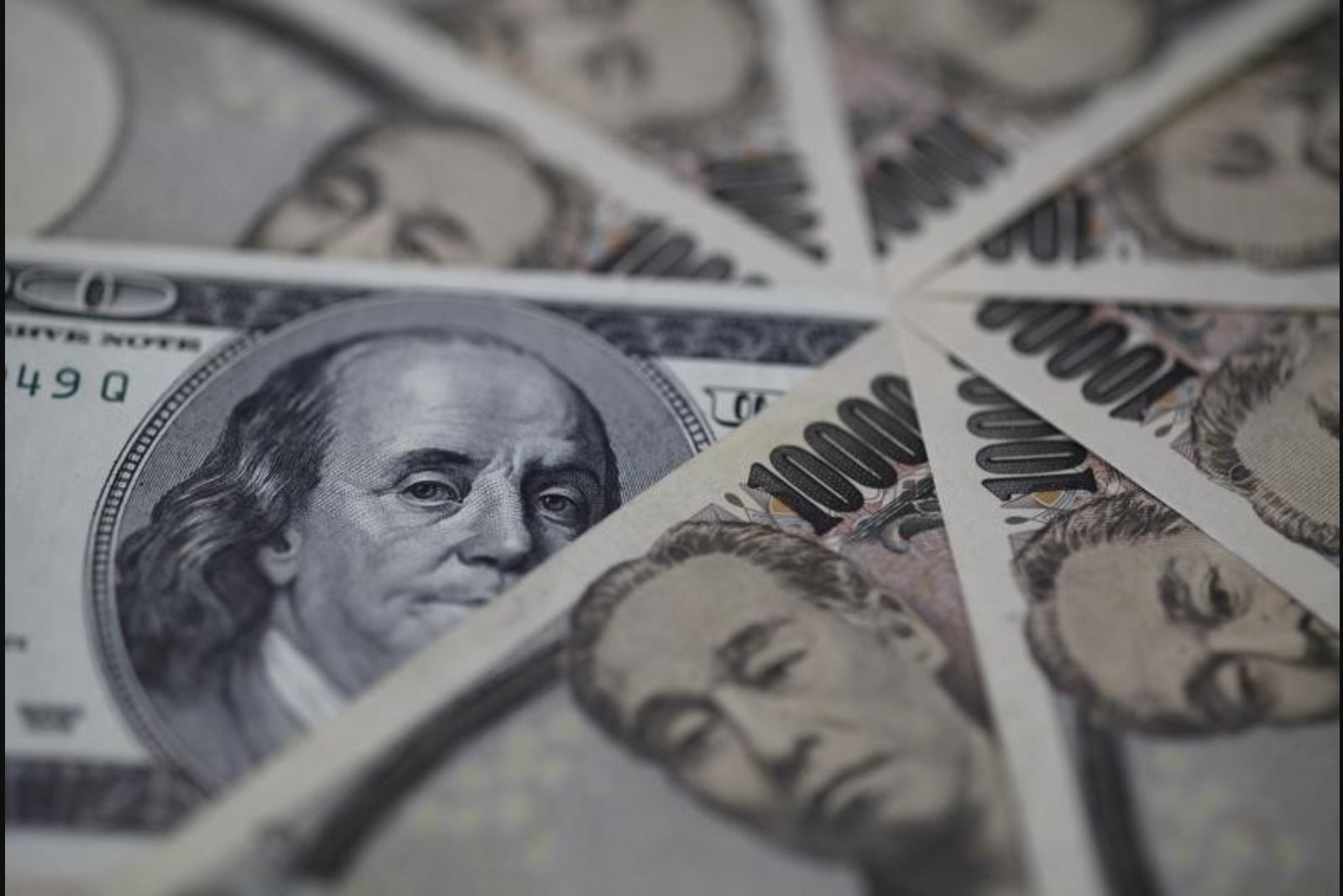
Among regional moves, the Japanese yen pulled back slightly after a strong rebound on Monday. The USD/JPY pair climbed about 0.2% to 154.50 on Tuesday following a sharp decline in the previous session. That earlier move had taken the yen to levels near its strongest in almost three years and was driven in part by market speculation about potential government intervention after public comments from Prime Minister Sanae Takaichi warning against excessive currency volatility.
Market participants said the possibility of intervention remained a key factor supporting the yen during the recent rally. The currency had staged a recovery after the Bank of Japan signaled a hawkish tone at its January meeting, but despite last week’s gains it continued to hover around thresholds that have historically attracted government action. At the same time, concerns over potential fiscal policies under Prime Minister Takaichi earlier had contributed to heavy selling in Japanese government bonds, which in turn had put downward pressure on the yen.
Across the region, most FX pairs showed little movement as traders positioned for the Fed. Expectations were that the central bank would leave interest rates unchanged at its policy meeting, reflecting mixed signals from the U.S. economy. The prospect of a hold by the Fed, combined with lingering questions over U.S. fiscal direction, contributed to a subdued tone that left many Asian currencies trading in tight ranges.
The Chinese renminbi remained close to its strongest levels in roughly two-and-a-half years, with USD/CNY edging up slightly but staying near recent lows. The Singapore dollar was largely unchanged against the dollar, and the Australian dollar also saw only sideways movement. India’s rupee steadied after a run to record highs above 91 per dollar last week, with an India-Europe trade pact doing little to alter immediate sentiment.
Other smaller moves included the Taiwan dollar, where the TWD/USD pair ticked higher by about 0.1%. Meanwhile, dollar index futures and the broader dollar index steadied in Asian trading after suffering substantial losses the prior week.
The South Korean won weakened modestly, with USD/KRW up roughly 0.1%. The move followed public remarks from U.S. President Donald Trump that he would increase tariffs on certain imports from South Korea to 25%, citing delays by Seoul in passing legislation to enact a trade agreement with Washington. The tariff comments specifically referenced autos, pharmaceuticals, and lumber. South Korean officials, however, said they had not received notice from U.S. authorities about any tariff increase, and no guidance was provided on the timing of any potential action.
With the Fed meeting looming and geopolitical statements continuing to influence market flows, Asian FX trades remained cautious and rangebound. Traders appeared unwilling to take large directional bets until the Fed’s policy move and further clarity on U.S.-Korea trade comments arrive.
Market note: The tone across Asia was one of guarded waiting, with key drivers including potential yen intervention, signals from the Bank of Japan’s recent meeting, U.S. fiscal policy concerns, and tariff-related uncertainty involving South Korea.