
Commodities March 2, 2026

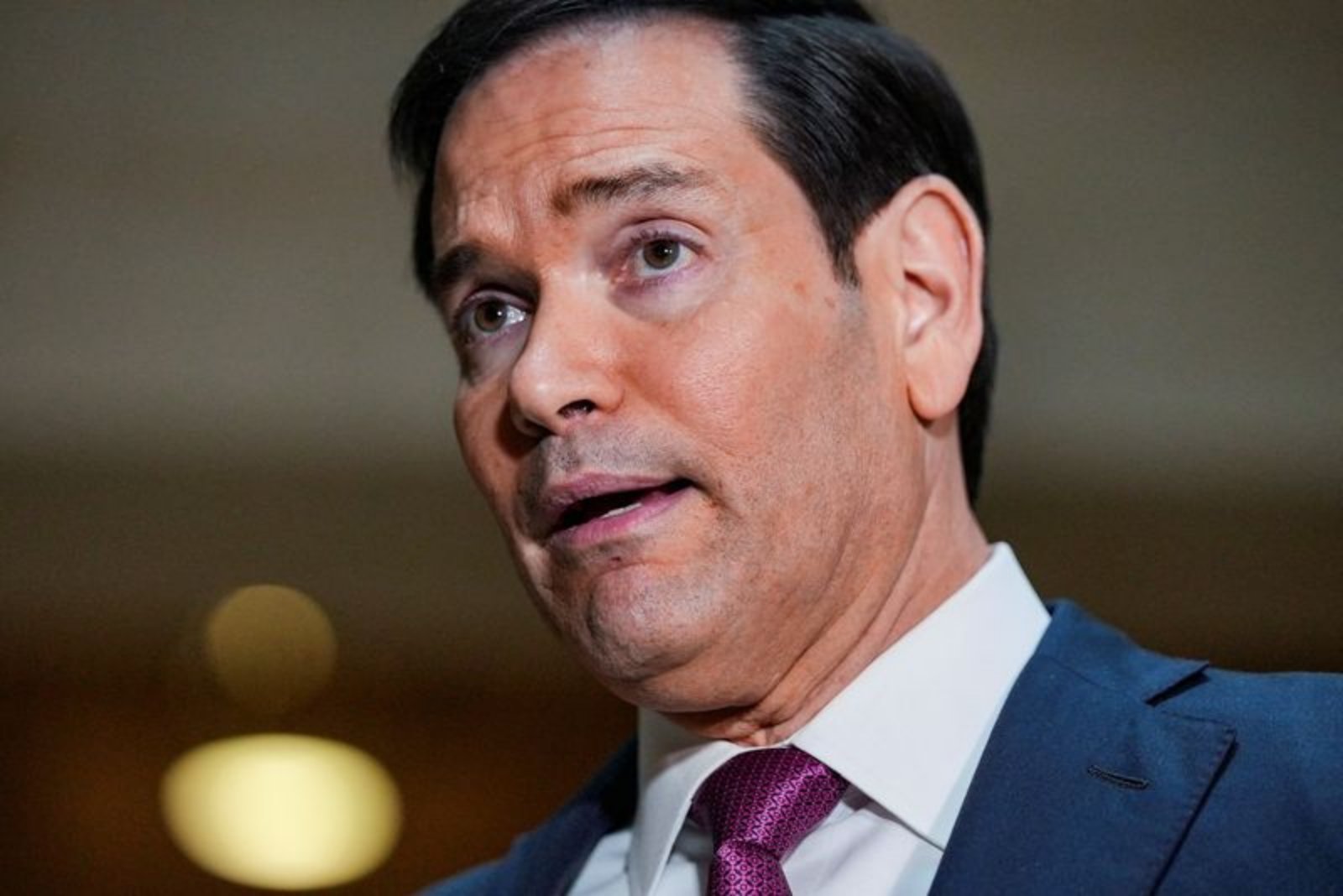
U.S. to Unveil Measures to Curb Oil Price Spike Tied to Iran Conflict, Rubio Says

Administration officials to outline phased steps after regional strikes and retaliatory closures roil oil and gas flows

By Nina Shah
U.S. to Unveil Measures to Curb Oil Price Spike Tied to Iran Conflict, Rubio Says

U.S. officials said the government will roll out measures beginning Tuesday to limit the impact on Americans from higher energy costs after a surge in oil and gas prices linked to military actions involving Iran. A senior U.S. official speaking at Capitol Hill said Treasury and Energy secretaries will announce the plan's phases as markets reacted to strikes, facility shutdowns and disrupted shipping in the Strait of Hormuz.

Key Points

  • The U.S. government will implement phased measures starting Tuesday to mitigate higher energy prices tied to the Iran conflict - impacts primarily on the energy sector and consumer fuel costs.
  • Treasury Secretary Scott Bessent and Energy Secretary Chris Wright will present the plans - fiscal and energy policy levers may be involved, affecting markets and energy companies.
  • Oil and gas prices surged after strikes and retaliatory actions led to shutdowns of regional facilities and interruptions to shipping through the Strait of Hormuz - shipping and global energy supply chains are affected.

WASHINGTON, March 2 - The United States plans to implement measures to soften the effect of rising energy costs on American consumers following a jump in oil prices related to the Iran conflict, a senior U.S. official said on Monday.

Speaking to reporters on Capitol Hill, the official said Treasury Secretary Scott Bessent and Energy Secretary Chris Wright are scheduled to present the administration's plans on Tuesday. The steps will be phased, the official indicated, with the aim of limiting price pressure on households and businesses.

"Starting tomorrow, you will see us rolling out those phases to try to mitigate against that ... We anticipated this could be an issue," the official said.

Markets reacted sharply on Monday after a sequence of strikes and counterstrikes involving Israel, the United States and Iran. The exchanges prompted Tehran to carry out retaliatory actions that led to shutdowns at oil and gas facilities across the region and created interruptions to shipping traffic through the Strait of Hormuz. Those developments coincided with a rapid rise in oil and gas prices on the same day.

The Energy and Treasury Departments had not provided comment when asked about the announced measures.

This announcement frames an administration response aimed at immediate mitigation rather than a long-term supply resolution. The planned rollout, beginning tomorrow, was described as phased and anticipatory, indicating the government had considered the potential for regional conflict to affect energy markets.

Observers and market participants will be watching the formal announcements by the Treasury and Energy secretaries for specifics on the measures, their timing, and which parts of the supply chain or consumer base they are intended to cover. In the near term, oil and gas price volatility and disruptions to shipping lanes remain central to the immediate economic and market outlook.


Summary of developments

  • The U.S. will take action to limit higher energy costs caused by a spike in oil prices tied to the Iran conflict.
  • Treasury Secretary Scott Bessent and Energy Secretary Chris Wright are set to announce phased measures on Tuesday.
  • Oil and gas prices rose after strikes and retaliatory actions that forced facility shutdowns and disrupted shipping in the Strait of Hormuz.

Risks

  • Continued escalation or additional strikes could sustain higher oil and gas prices, creating ongoing price volatility that impacts consumers and the broader economy - sectors at risk include transportation, manufacturing, and households.
  • Disruptions to shipping in the Strait of Hormuz and further facility shutdowns may prolong supply constraints and market instability - this presents risks to energy firms and insurers exposed to maritime and commodity operations.

More from Commodities

U.S. Special Forces Recover Wounded Airman in Iran as Tensions Spike Over Strait of Hormuz Apr 5, 2026 Zelenskiy Meets Syrian Leader in Damascus to Discuss Security and Food Cooperation Apr 5, 2026 Explosive device located near Serbia-Hungary gas pipeline raises political and energy security concerns Apr 5, 2026 OPEC+ Poised to Approve Theoretical Output Increase as Strait Shutdown Sidelines 15% of Supply Apr 5, 2026 OPEC+ Poised to Approve Symbolic May Output Rise as Hormuz Paralysis Limits Supply Gains Apr 5, 2026