
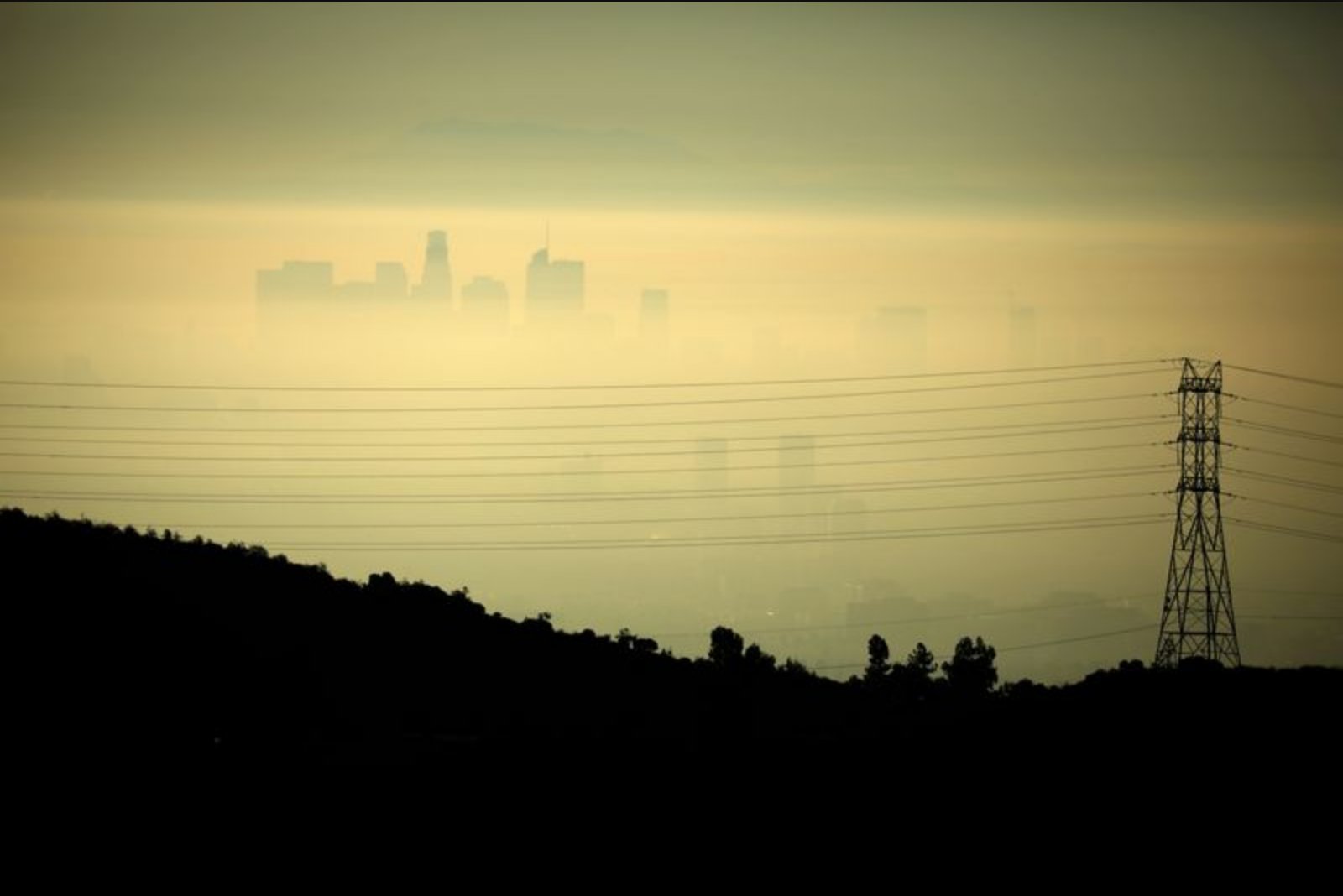
Grid operators in multiple U.S. regions escalated emergency actions on Saturday as frigid temperatures covering nearly half of the country's population increased electricity demand and strained fuel delivery, raising the risk of capacity shortfalls and rotating outages.
The PJM Interconnection, the nation's largest regional grid that serves 67 million people across the East and Mid-Atlantic, registered temporary spikes in spot wholesale electricity prices to nearly $3,000 per megawatt hour on Saturday morning. Those levels stood in sharp contrast to earlier prices of less than $200 per MWh. The surge in prices coincided with stormy conditions and temperatures around 0 degrees Fahrenheit (-18 C) that pushed up electricity usage and contributed to operators curtailing some natural gas production in key basins.
Grid companies also reported constraints on gas pipeline supply, which further tightened fuel availability for gas-fired generators. In response to constricted gas supplies, regional operators sought additional output from other fuel sources. System reports show operators requested increased generation from producers such as coal-fired power plants in order to maintain system reliability.
The Midcontinent Independent System Operator, known as MISO, issued calls for power plants to maximize output and limited electricity exports across its footprint, which covers 15 states in the Midwest and South as well as Manitoba, Canada. MISO described the action as an all-hands-on-deck emergency step to avoid capacity shortfalls as some plants were forced offline or reduced output due to freezing conditions.
MISO's electricity markets illustrated the geographic variability in stress on the system. Spot prices in MISO's Minnesota hub climbed to nearly $500 per MWh as the upper Midwest experienced transmission bottlenecks on high-voltage power lines. By contrast, spot prices in MISO's southern territory remained under $50 per MWh.
In New England, operators ramped up fuel oil-fired generation to conserve natural gas, which is the region's primary fuel source. Early on Saturday, oil-fired units supplied about 26% of the New England grid's output, compared with a more typical level of roughly 1% or less. Natural gas accounted for 28% of generation in the six-state region at that time. New England's spot electricity prices exceeded $300 per MWh on Saturday, about double the price recorded on Friday.
Across regions, the combination of elevated demand from extreme cold, interruptions to gas production and pipeline flows, and localized transmission constraints prompted grid operators to take exceptional steps to shore up supply. Those measures included directing available generation to run at higher output and managing flows to prevent wider disruptions.
Summary
Severe winter weather increased electric demand and stressed fuel supplies, prompting major U.S. grid operators to activate emergency measures. PJM saw spot prices near $3,000 per MWh, MISO curtailed exports and called for maximum plant output across a wide footprint, and New England relied heavily on oil-fired generation to conserve natural gas while spot prices doubled.
Key Points
- PJM, serving 67 million people, experienced spot price spikes to nearly $3,000 per MWh from earlier levels below $200 per MWh.
- MISO called for maximum plant output and curtailed exports across its 15-state plus Manitoba footprint; Minnesota hub prices neared $500 per MWh while southern prices were under $50 per MWh.
- New England increased oil-fired generation to 26% of supply (typical around 1% or less) while natural gas made up 28% of generation; spot prices there rose to more than $300 per MWh, roughly double Friday's level.
Risks and Uncertainties
- Reduced natural gas production and pipeline constraints may limit fuel availability for gas-fired generators, affecting electric utilities and regional energy markets.
- Freezing temperatures have forced some plants offline or to reduce output, creating the potential for capacity shortfalls and the need for emergency actions by grid operators, which impacts generators and consumers.
- Transmission bottlenecks, particularly in the upper Midwest, can lead to localized price spikes and strain on high-voltage infrastructure, affecting market participants and grid reliability.