
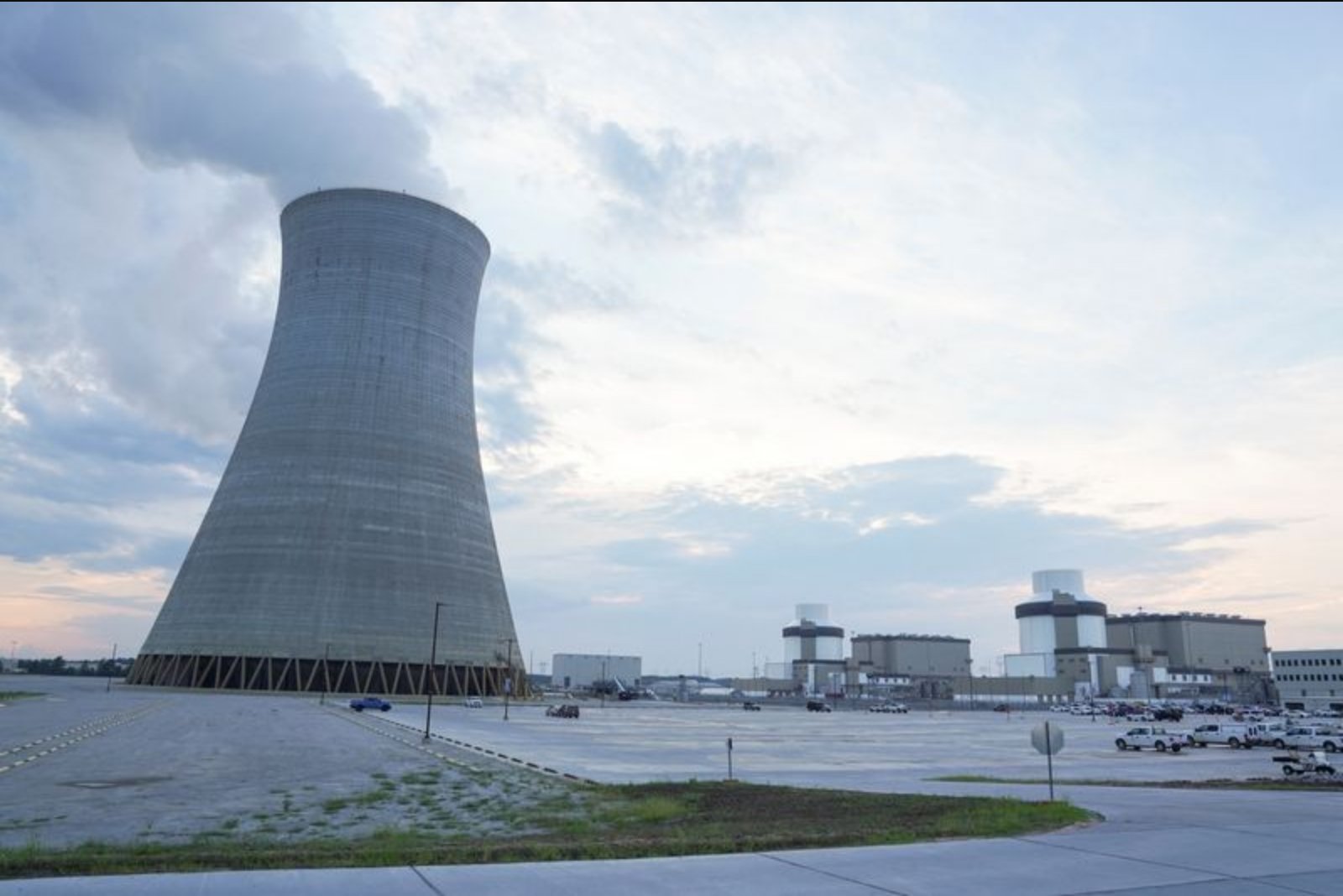
The Nuclear Regulatory Commission voted last week to discontinue its agency-led "force-on-force" security inspection program at operating reactors, announcing on its website that it will move away from the mock commando-style, agency-controlled exercises used to test plant defenses.
Those drills, which the NRC has overseen since 1991, were strengthened by Congressional action after the September 11, 2001 attacks to require every nuclear plant to undergo such an inspection on a three-year cycle. Under the new plan, the NRC will continue to permit agency-led exercises through 2028. After that date, plants will carry out exercises themselves while the agency provides independent oversight, and the program will shift from a pass/fail assessment to a model framed around training.
The decision arrives amid a broader push from the administration of President Donald Trump to accelerate approvals from the NRC to enable a rapid expansion of U.S. nuclear power capacity - a proposed increase to 400 gigawatts by 2050 - intended to meet rising electricity demand tied to artificial intelligence and data centers, electrification of transportation and cryptocurrencies.
Edward Lyman, a nuclear physicist at the Union of Concerned Scientists, criticized the change as a retreat from the government's duty to shield Americans from attacks on nuclear facilities, particularly given ongoing security threats to U.S. infrastructure, including those connected to the Iran conflict. He said the new arrangement will amount to a "dog-and-pony show, akin to a professional wrestling match, in which the NRC will only be allowed to passively observe exercises staged entirely by the plant managers and personnel."
The NRC defended the revision, saying the update "reflects the strong safety and security already in place at U.S. nuclear plants." The agency also argued that by transitioning the program from a pass/fail construct to one focused on training, "potential conflict of interest concerns are significantly reduced."
Lyman countered that the changes make it unlikely the program will satisfy Congressional requirements intended to address any possible conflicts of interest in how the drills are conducted. The competing perspectives underscore a debate over the balance between regulatory oversight and streamlined processes to support an anticipated growth in nuclear capacity.
Contextual note: The program at issue was instated under NRC leadership in 1991 and was tightened after the events of September 11, 2001. The agency will maintain direct control of the drills through 2028 and then move to the revised, training-centered oversight model.