
Commodities February 3, 2026

U.S.-India Trade Understanding Lowers Industrial Tariffs, Preserves Some Agricultural Protections

U.S. Trade Representative says deal will slash U.S. tariffs on Indian goods and cut Indian industrial tariffs to zero while keeping selected farm safeguards

By Jordan Park
U.S.-India Trade Understanding Lowers Industrial Tariffs, Preserves Some Agricultural Protections

The Trump administration is formalizing a recently announced trade understanding with India that cuts Indian tariffs on U.S. industrial goods to zero from 13.5% and lowers U.S. tariffs on most Indian products to 18% from 50%. U.S. Trade Representative Jamieson Greer said India will retain targeted agricultural protections and must follow its own political processes to recognize U.S. standards. The deal also touches on India’s move to reduce Russian crude imports.

Key Points

  • India will reduce tariffs on U.S. industrial goods from 13.5% to zero, and the United States will cut tariffs on most Indian goods to 18% from 50%. - Impacts: manufacturing, industrial exports, trade flows.
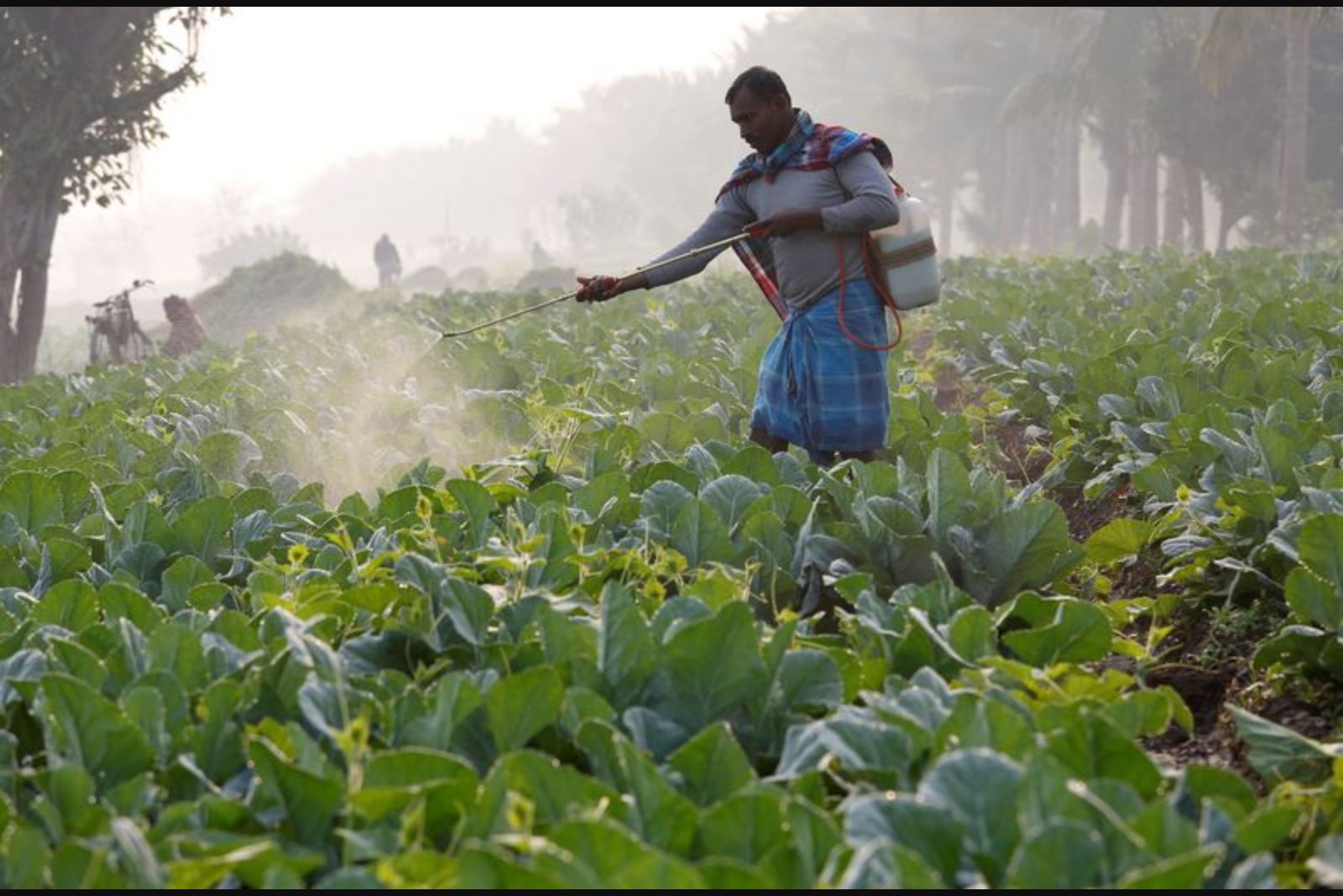
  • India will preserve some agricultural import protections even as tariffs on several items - such as tree nuts, wine, spirits, fruits and vegetables - are slated to fall to zero. - Impacts: agricultural and food sectors.
  • The agreement includes an approach to technical barriers to trade and a process for recognizing U.S. standards, subject to India’s internal political processes, potentially expanding market access for U.S. goods. - Impacts: regulatory, standards compliance, exporters.

U.S. officials are moving to put on paper the detailed terms of a trade understanding with India that was announced this week, with key tariff shifts and preserved protections for some farm products, U.S. Trade Representative Jamieson Greer said in a television interview.

Speaking live on CNBC, Greer outlined several elements of the agreement. He said the pact will lower India’s tariffs on American industrial goods from 13.5% to zero. At the same time, he confirmed the United States will cut its tariff on most Indian goods to 18% from 50%, a change Greer said reflects the size and growth of India’s trade surplus with the United States. The surplus reached $53.5 billion during the first 11 months of 2025, up from $45.8 billion for the whole of 2024, according to U.S. Census Bureau data.

On agricultural trade, Greer said the U.S. would continue to press for access to some parts of India’s protected agricultural market but acknowledged India will retain certain import safeguards. He said tariffs for a range of agricultural items - including tree nuts, wine, spirits, fruits and vegetables - will move to zero under the agreement. He specifically did not mention rice, beef, soybeans, sugar or dairy, which the United States noted India had excluded from a recent trade accord with the European Union.

Greer also described understandings reached on technical barriers to trade - areas where India has not accepted U.S. standards. He said there will be a process for recognizing U.S. standards, but that India must complete its own internal political procedures before formally accepting those standards. "We know American goods are safe," he said, and noted that recognizing standards would open a market of more than 1 billion people to more U.S. goods.

The trade conversation extended to energy. Greer said India had not been an importer of Russian oil prior to 2022 and 2023 and that New Delhi has been working since late last year to wind down its purchases of Russian crude. He characterized India’s efforts to diversify energy suppliers - including purchases from the United States and Venezuela - as a positive shift.

Greer did not provide a start date for the tariff adjustments, saying the administration is in the process of "finishing papering it" even though the specifics and details are known. He reiterated that India would maintain certain agricultural protections as part of the final arrangements.


Contextual note - The information above summarizes the content of Greer’s interview and the trade terms he described. Details on timing and the administrative steps required to make the changes official remain to be completed.

Risks

  • Timing and implementation remain uncertain because Greer did not specify when the tariff changes will take effect; this could delay benefits for exporters and importers. - Affected sectors: trade-dependent industries, exporters.
  • India will retain protections for some agricultural products and must complete domestic political processes to accept U.S. standards, which could limit market access for certain farm commodities. - Affected sectors: agriculture, food processing.
  • The process of winding down Russian crude imports is ongoing and was described as having started late last year; energy supply shifts and supplier diversification remain subject to change. - Affected sectors: energy, petrochemicals.

More from Commodities

U.S. Gulf Coast Refiners Strain to Take In Sudden Wave of Venezuelan Crude Feb 3, 2026 India Commits to Large-Scale Purchases of U.S. Goods Across Energy, Defence and Tech Sectors Feb 3, 2026 EU Adjustment to 2035 CO2 Rule Could Still Leave Significant Place for Non-EV Cars, Campaign Group Says Feb 2, 2026 Commodities Slide as Fed Appointment and Easing Iran Tensions Roil Markets Feb 2, 2026 Mercuria Enters Talks to Purchase Venezuelan Crude as U.S. Sanctions Ease Feb 2, 2026