
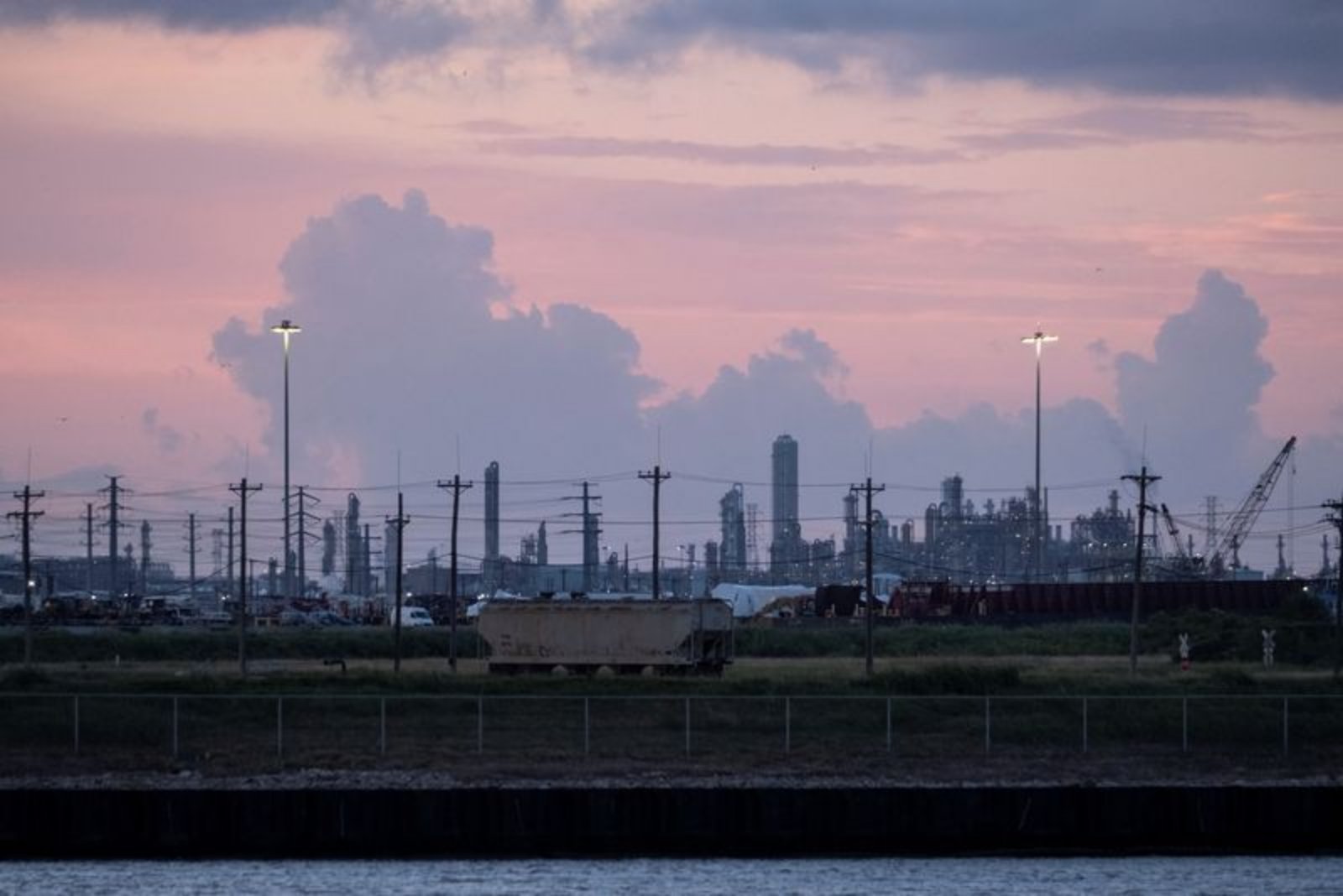
HOUSTON/NEW YORK - U.S. Gulf Coast refiners are encountering constraints in taking on an abrupt uptick in Venezuelan crude shipments that began after a $2 billion supply arrangement between Venezuela and the United States, industry traders and shipping records show. That rapid inflow has weighed on prices for Venezuelan heavy oil and left portions of the cargoes without immediate buyers.
Traders and movement data indicate the spike follows last month’s high-profile supply deal, signed in the wake of U.S. forces capturing Venezuela’s President Nicolas Maduro in a raid in Caracas. The arrangement granted licenses to trading houses Vitol and Trafigura to market and sell millions of barrels of Venezuelan crude, adding to shipments from Chevron, which also holds authorization.
Vitol and Trafigura, along with Chevron, concluded several initial sales of Venezuelan oil to refiners across the United States and Europe. But with Chevron accelerating its exports and the trading houses moving large volumes, sellers are finding it increasingly difficult to find sufficient takers among Gulf Coast refiners, traders said.
"We’re all facing this issue where there’s more to place and not enough takers," one trader told reporters, referencing reluctance among some U.S. refiners to purchase Venezuelan grades. That hesitancy, combined with a rapid expansion of available cargoes, is placing downward pressure on prices for Venezuelan heavy grades even as some refiners complain the offers remain high relative to competing heavy crudes.
Market offers show Venezuelan heavy oil cargoes for Gulf Coast delivery trading at roughly $9.50 per barrel below benchmark Brent, compared with discounts of $6 to $7.50 per barrel seen in mid-January. Traders said the steeper discount reflects an immediate supply squeeze in the U.S. refining market for heavier grades and the logistical limits on how quickly refineries can adjust.
Data based on tanker movements show U.S. imports of Venezuelan oil almost tripled last month to about 284,000 barrels per day (bpd). For context, the United States was taking roughly 500,000 bpd from Venezuela before Washington first imposed sanctions in 2019, and shipments to the U.S. had fallen to zero in mid-2025 after licenses to trade and ship Venezuelan oil were revoked the previous year.
One trader noted that returning to the prior peak in U.S. refinery intake will take time because many facilities need modifications to process heavier crude more efficiently. Refiners’ maximal practical absorption of new Venezuelan barrels is constrained not only by physical capacity but also by economics compared with other heavy supplies.
Phillips 66’s chief executive, Mark Lashier, said the company can run roughly 250,000 bpd of Venezuelan crude but added that Venezuelan grades need to be priced competitively to displace other heavy sources. That assessment aligns with traders’ accounts that some refiners are balking at offers that, while discounted more deeply than in mid-January, still do not match the economics of alternative heavy crude grades such as some Canadian producers.
Chevron, which is the only U.S. oil major still operating in Venezuela and whose U.S. license permits exports to the United States only, substantially increased its shipments in recent weeks. Exports rose to about 220,000 bpd in January from 99,000 bpd in December, according to vessel tracking. Chevron’s CEO Mike Wirth told investors the company’s refining system can process up to 150,000 bpd of Venezuela’s heavy crude, implying that the remainder of Chevron’s Venezuelan output must be stored or marketed to other refiners.
Chevron is producing around 250,000 bpd in Venezuela and said it sees potential for raising that output by 50% over the next 18 to 24 months if U.S. authorities permit the company to expand operations. Meanwhile, vessel monitoring showed some Chevron-chartered tankers loaded with Venezuelan crude waiting days to discharge at U.S. ports or slowing their passages, a reflection of port scheduling and downstream capacity limits.
A source familiar with Chevron operations said the company had to reschedule discharge dates with customers following a U.S. blockade on Venezuela that caused shipping disruptions between December and January, but that all cargoes had been sold prior to departure.
Trading houses Vitol and Trafigura exported roughly 12 million barrels from Venezuelan ports in January, equivalent to about 392,000 bpd, according to the shipping data. Much of those volumes were directed to storage terminals in the Caribbean and, according to sources, have not yet been fully marketed to refiners.
As a result of those flows, total Venezuelan oil exports rebounded to near 800,000 bpd last month, up from 498,000 bpd in December. China, which had been the largest destination for Venezuelan crude, did not receive any shipments after Maduro’s capture in early January, the data indicate.
U.S. officials stated after seizing Maduro that Washington would control Venezuela’s oil sales indefinitely. While Chinese buyers are technically permitted to purchase Venezuelan oil, a U.S. official said they must avoid paying the kind of "unfair, undercut" prices at which Caracas had sold crude previously. Beijing has rejected the U.S. assumption of control over Venezuela’s exports. Separate sources told reporters that state-owned PetroChina, previously the main recipient of Venezuelan crude, told traders to pause purchases while it assesses the current situation.
With substantial export volumes parked in Caribbean storage and limited immediate Gulf Coast refining demand, traders and shipping data show a buildup of unsold barrels. The constrained buyer list among U.S. refiners, the logistics of moving and discharging cargoes, and the need for some refineries to adapt to heavier crude are all factors cited by sources as limiting how quickly Venezuelan crude can be reabsorbed into the U.S. market.
One potential outlet highlighted in public statements is India. On Monday, U.S. officials announced a trade agreement with India that, among other elements, reduces U.S. tariffs on Indian goods in exchange for India lowering trade barriers, ceasing purchases of Russian oil and buying oil instead from the United States and potentially from Venezuela. Indian refiners have signaled interest: Reliance Industries said last month it was considering Venezuelan oil.
Key points
- Rapid post-agreement shipments have outpaced immediate Gulf Coast refining demand, leading to steeper discounts for Venezuelan heavy grades and some cargoes remaining unsold or held in Caribbean storage.
- Chevron, Vitol and Trafigura have all increased exports, intensifying competition for a limited pool of U.S. refinery buyers and pressuring prices for competing heavy crude sources.
- Sectors affected include U.S. refiners, shipping and storage operators, and global heavy crude markets as trade flows shift and storage needs grow.
Risks and uncertainties
- Refiners may delay or limit purchases because Venezuelan grades, while discounted, can still be priced above competing heavy crudes - impacting refining margins and crude sourcing decisions.
- Logistical constraints - including port discharge scheduling and the need for refinery adjustments to handle heavier oil - could prolong the time required for U.S. refineries to increase Venezuelan intake, affecting storage capacity and shipping schedules.
- Geopolitical and diplomatic uncertainties over control and permitted buyers for Venezuelan oil, including differing stances by the United States and China, add unpredictability to where volumes will ultimately be sold.
Bottom line
The reopening of U.S. markets to Venezuelan crude under a $2 billion supply arrangement has produced an immediate supply surge that Gulf Coast refiners are struggling to absorb. The result has been deeper discounts on Venezuelan heavy grades, cargoes held in Caribbean storage, and heightened competition among sellers to find buyers. How quickly these volumes are assimilated will depend on refiners' price sensitivity, physical capacity to process heavier crude, and broader diplomatic decisions affecting where Venezuela’s oil can be marketed.