
Overview
The U.S. embassy in Cuba has posted a public notice urging American nationals in the country - and those planning travel there - to prepare for significant disruptions related to power and fuel availability, and to be aware of increased anti-U.S. protest activity tied to the Cuban government.
What the embassy said
The embassy advised travelers and residents to "take precautions by conserving fuel, water, food and mobile phone charge, and be prepared for significant disruption," noting that "Cuba’s national electrical grid is increasingly unstable and prolonged power outages are a daily occurrence." The advisory also said that "U.S. citizens in Cuba or planning to travel to Cuba are advised that there have been incidents of U.S. citizens being denied entry upon arrival as well as a spike in regime-sponsored protest activity directed at the United States, including anti-U.S. rhetoric."
Why the advisory matters
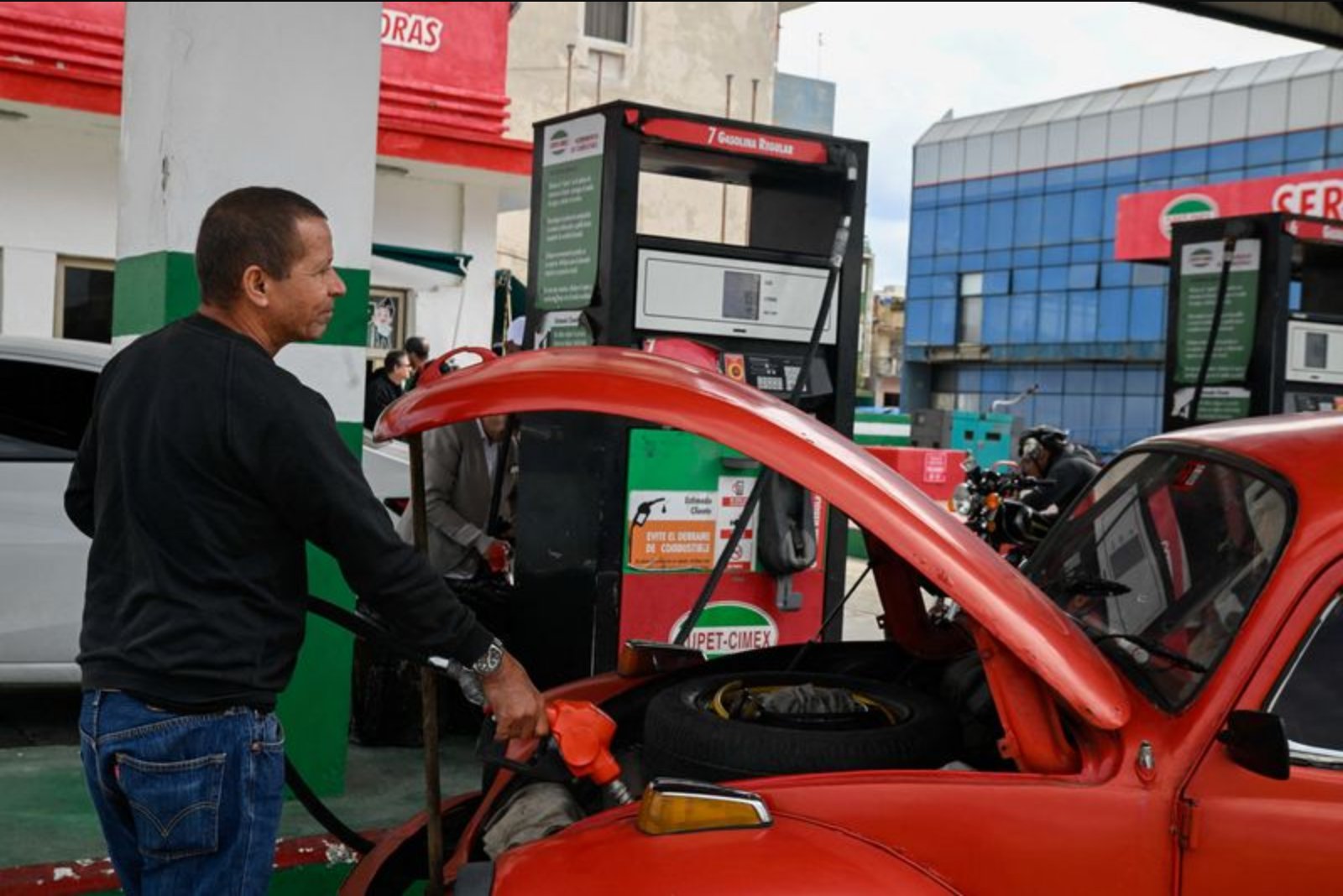
U.S. policy in recent weeks has moved to block all oil shipments reaching Cuba, including supplies from Venezuela, a shift the embassy framed as a driver behind rising costs for food and transport, severe fuel shortfalls and prolonged power cuts. The cumulative effect, according to the advisory, has been higher prices for basic goods and widespread strain on daily services that rely on stable electricity and fuel access.
Political backdrop
The advisory appears against a backdrop of heightened bilateral tension after a U.S. military operation last month that seized ousted Venezuelan leader Nicolas Maduro - an operation President Donald Trump ordered. The notice references comments by Trump that "Cuba will be failing pretty soon," and notes his statements that Venezuela has not recently supplied oil or money to Cuba. Trump has also threatened tariffs on goods from countries supplying oil to Cuba.
The U.N. human rights office has said the U.S. raid in which Maduro was seized was a violation of international law, and human rights experts cited in the advisory context characterized the U.S. emphasis on Venezuelan oil as echoing an imperialist approach. On the diplomatic front, Cuba’s deputy foreign minister told Reuters that Cuba and the United States are in communication, but those exchanges have not progressed into formal "dialogue."
Practical implications for Americans in Cuba
The embassy advisory underlines immediate precautions for U.S. citizens: conserve essential supplies, maintain mobile phone charge, and be ready for daily and prolonged outages. It also warns of potential interactions with authorities at arrival points and the presence of government-directed protests targeting the United States.