
Life is set to be especially difficult across Ukraine in the coming weeks as a prolonged cold snap coincides with intensified attacks on the country's energy network, a senior lawmaker warned. With subminus-20 degrees Celsius (-4°F) readings forecast for northern and eastern regions next week, authorities expect conditions to be unusually severe for the country.
Andriy Gerus, who leads the parliament's energy committee, told the national TV channel Marathon that the immediate outlook was bleak but offered a narrow horizon of relief. "The bad news is that there will indeed be frosts, and it will be difficult," he said. "The good news is that we need to hold out for three weeks, and then it will get easier," he added, pointing to forecasts for a gradual warming and increased solar output as days lengthen.
Widespread outages and heating losses
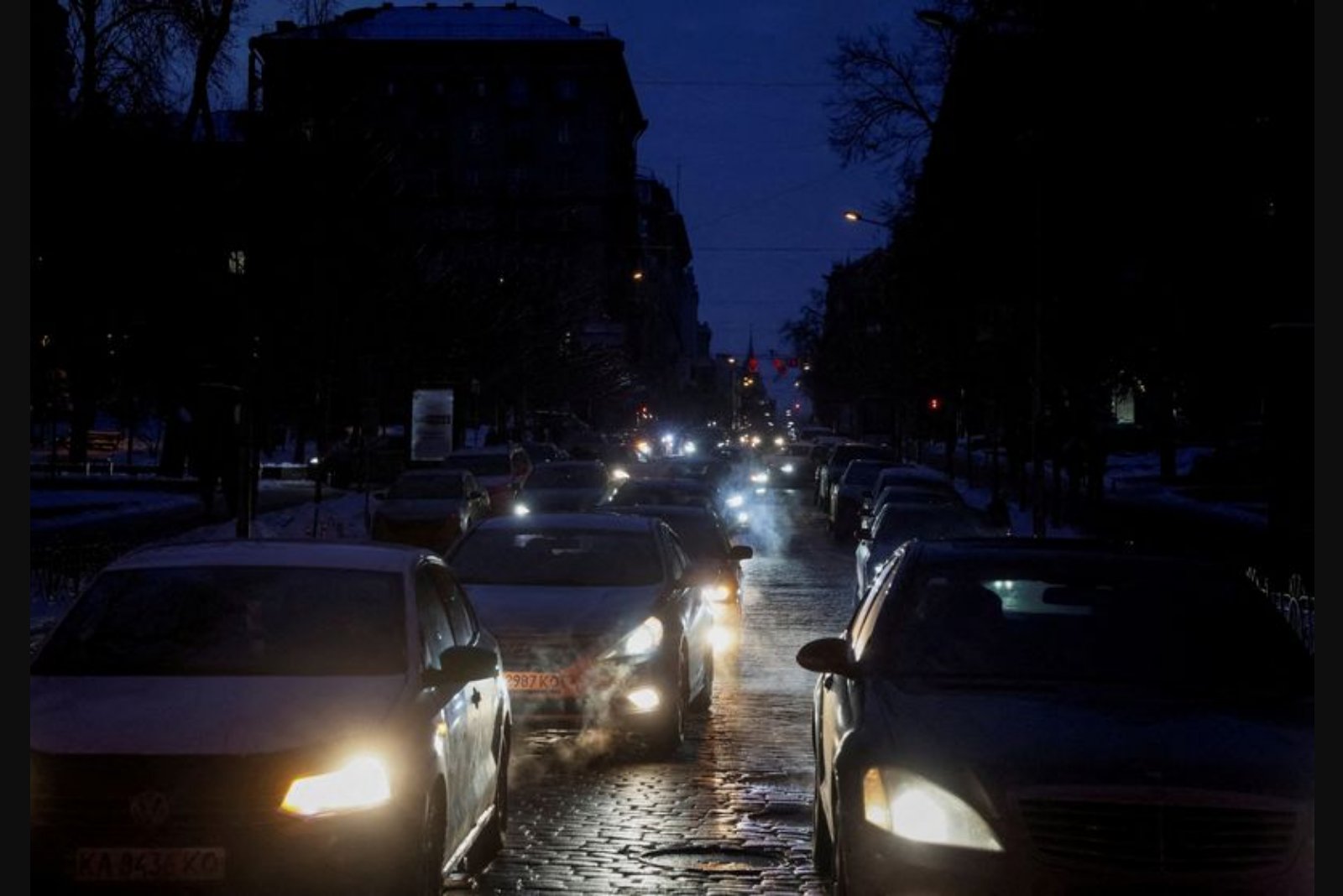
The last two Russian missile and drone strikes on Kyiv in January left about one million people without electricity and caused heating to fail in roughly 6,000 apartment buildings. Repair efforts over subsequent weeks restored services to most locations, but around 700 apartment blocks still lack heat.
Similar damage has been reported across northern and eastern areas of the country, which include major cities such as Kyiv, Kharkiv, Chernihiv and Sumy. Repeated targeting of electricity infrastructure in these regions has led to power restrictions for industry and rolling or prolonged outages for consumers.
Attacks on multiple parts of the energy system
Attacks have hit power stations, transmission networks and the gas sector as part of a pattern that officials say has been central to the full-scale invasion that began in February 2022. Moscow has framed these operations as an effort to weaken Ukraine's ability to sustain defense operations, while Kyiv has responded with strikes on Russian oil processing facilities aimed at cutting state revenues that finance the war.
The head of Ukraine's largest private power producer, DTEK, warned last week that the damage to energy infrastructure amid freezing conditions has brought the country close to a "humanitarian catastrophe," and called for an end to strikes on energy assets.
Role of solar and overall capacity constraints
Ukraine's solar sector has expanded rapidly in recent months, with the national solar association reporting around 1.5 gigawatts of new solar capacity added in 2025. Total installed solar capacity in the country now exceeds 8.5 gigawatts, including small-scale residential systems. That aggregate is larger than the combined output capacity of the three Ukrainian-controlled nuclear power plants, which stand at 7.7 gigawatts, and helped the grid cope during plant repairs last summer. However, solar generation is inherently weather-dependent and therefore cannot be relied upon as a steady substitute during a deep freeze.
President Volodymyr Zelenskiy said this month that Ukraine's damaged energy system is meeting only 60% of the country's electricity needs this winter. Officials estimate available electricity generation capacity at roughly 11 gigawatts against a winter requirement of about 18 gigawatts. To keep the system balanced, Kyiv has been drawing maximum permitted electricity imports from European Union countries while imposing power cuts that extend across entire regions.
Outlook and immediate priorities
Officials and energy-sector managers are focusing on maintaining enough supply to avert wider humanitarian consequences as cold conditions peak. The combination of physical damage to infrastructure, constrained domestic generation, reliance on imports and the weather-dependent nature of some new capacity creates a narrow operating margin for the system during the coming weeks.
Gerus's assessment frames the near-term challenge in temporal terms: endure an acute period of cold and limited supply for roughly three weeks, then expect incremental relief from warmer temperatures and longer daylight that should boost solar contributions.
The government continues repair efforts and coordination of imports while the wider conflict keeps energy infrastructure a frequent target of strikes.